

What is Molybdenum Oxide Material Handling Equipment? And What Are Its Design Principles?
When it comes to handling molybdenum oxide, specialized equipment is essential to ensure efficiency, safety, and precision in industrial processes. Molybdenum oxide, a critical material in various applications such as chemical manufacturing, metallurgy, and electronics, requires equipment designed to manage its unique properties. This article explores the concept of molybdenum oxide material handling equipment and delves into the fundamental design principles that govern its operation.

Introduction to Molybdenum Oxide Material Handling Equipment
Molybdenum oxide material handling equipment refers to a range of machinery and systems engineered to transport, store, and process molybdenum oxide. This material, known for its high melting point and chemical stability, poses specific challenges during handling, including dust generation, reactivity with certain environments, and the need for precise control over temperature and pressure. The equipment designed for molybdenum oxide must address these challenges while maintaining operational efficiency and safety standards. Companies like Shandong HeadPowder Engineering Co., Ltd., based in China, specialize in developing tailored solutions for such industrial needs.
Key Design Principles for Molybdenum Oxide Handling Systems
The design of molybdenum oxide material handling equipment is guided by several key principles to ensure optimal performance and safety. First, the equipment must be constructed from materials that are chemically compatible with molybdenum oxide and resistant to corrosion. Common materials include stainless steel, Hastelloy, and other corrosion-resistant alloys, which prevent contamination and extend the equipment's lifespan. Second, the system must incorporate effective dust control measures, as molybdenum oxide is a fine powder that can create hazardous dust clouds. This is typically achieved through enclosed systems, air filtration, and proper ventilation to maintain a safe working environment. Third, the design emphasizes precision and control, especially in processes involving temperature-sensitive applications. For instance, conveyor systems and feeders are engineered to deliver molybdenum oxide at controlled rates, minimizing variability and ensuring consistent quality in downstream processes.
Components and Functionalities of Molybdenum Oxide Handling Equipment
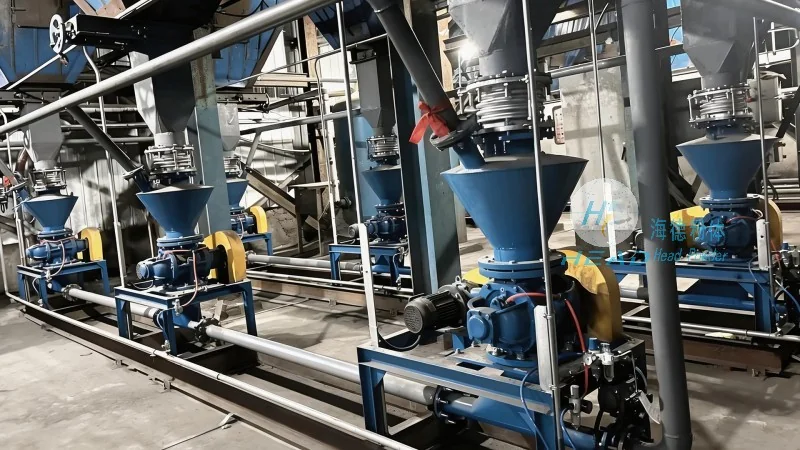
Molybdenum oxide material handling equipment typically consists of several interconnected components, each serving a specific function. The primary components include feeders, conveyors, storage silos, and processing units. Feeders, such as rotary valves or screw conveyors, are used to regulate the flow of molybdenum oxide from storage to processing areas. These devices ensure a consistent and controlled feed rate, which is crucial for maintaining process stability. Conveyors, often in the form of belt or pneumatic systems, transport the material between different stages of the operation. Storage silos are designed to hold large quantities of molybdenum oxide, providing a buffer for production fluctuations and ensuring a steady supply. The processing units may include reactors, mixers, or other equipment tailored to the specific application, such as converting molybdenum oxide into other compounds or preparing it for use in manufacturing.
Safety and Operational Considerations in Molybdenum Oxide Handling
Handling molybdenum oxide requires strict adherence to safety protocols due to its potential health and environmental hazards. The equipment is designed with safety features such as explosion-proof components, dust suppression systems, and emergency shutdown mechanisms. These features help mitigate risks associated with dust explosions and accidental releases. Additionally, the equipment is often equipped with monitoring systems that track temperature, pressure, and flow rates, providing real-time data to operators. This allows for immediate intervention if any parameter deviates from the safe operating range. Regular maintenance and inspection are also critical to ensure the equipment remains in optimal condition, reducing the risk of malfunctions and ensuring long-term reliability.
Applications of Molybdenum Oxide Handling Equipment
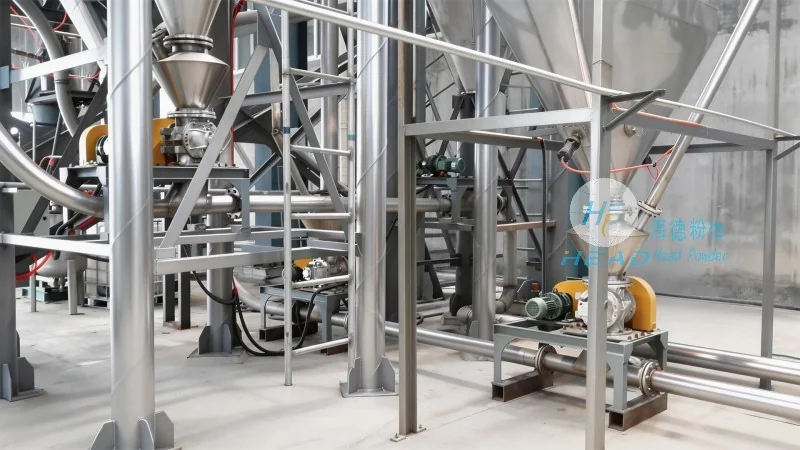
Molybdenum oxide material handling equipment is widely used in various industries where molybdenum oxide is a key component. In the chemical industry, it is used in the production of molybdenum compounds, which are essential for catalysts and lubricants. In metallurgy, the equipment is employed in the processing of molybdenum alloys, where precise handling ensures the quality of the final metal products. The electronics industry also utilizes molybdenum oxide handling equipment in the manufacturing of semiconductors and other electronic components, where purity and consistency are paramount. Each application requires specialized equipment configurations to meet the unique demands of the process, highlighting the importance of customized solutions provided by companies like Shandong HeadPowder Engineering Co., Ltd.
Conclusion and Company Overview
Molybdenum oxide material handling equipment is a critical component in industries relying on this valuable material. The design principles and components of such equipment are tailored to address the specific challenges of handling molybdenum oxide, ensuring efficiency, safety, and precision. Companies like Shandong HeadPowder Engineering Co., Ltd., with their expertise and commitment to quality, play a vital role in providing reliable solutions for molybdenum oxide handling. By adhering to rigorous design standards and incorporating advanced safety features, these systems enable industries to maximize productivity while minimizing risks. As the demand for molybdenum oxide continues to grow, the importance of well-designed material handling equipment becomes increasingly evident, underscoring the need for specialized engineering and manufacturing capabilities.