

What Are Positive and Negative Electrode Material Handling Equipment? And What Are Their Design Prin
In the battery manufacturing industry, the efficient handling and transportation of positive and negative electrode materials are critical to the overall production process. These materials, which form the core components of lithium-ion batteries and other rechargeable battery systems, require specialized equipment to ensure they are processed safely, accurately, and at a high rate of efficiency. This article explores the role of positive and negative electrode material handling equipment, detailing its design principles and the key considerations that go into its development and implementation.
Understanding the Role of Material Handling Equipment in Battery Production
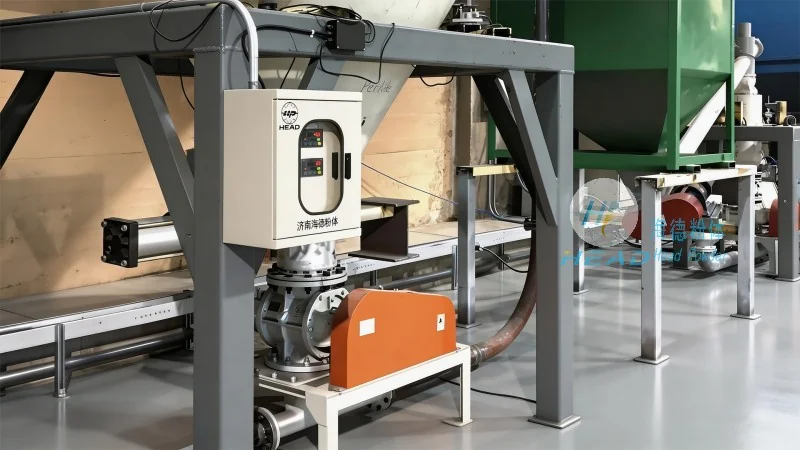
In the battery production line, the movement of raw materials, intermediate products, and finished components is a complex and highly regulated process. Positive and negative electrode materials, which are typically powders or pastes, need to be transferred between various stages such as mixing, coating, drying, and assembly. Manual handling is not feasible due to the scale of production and the potential risks associated with these materials, including dust generation, chemical hazards, and the need for precise weight control. Therefore, specialized material handling equipment is essential to streamline operations, enhance safety, and maintain product quality.
Key Components and Design Principles of Positive and Negative Electrode Material Handling Equipment
The design of positive and negative electrode material handling equipment is tailored to meet the unique challenges of handling these materials. Several key components and principles are commonly employed to ensure effective operation:
1. Conveyor Systems: These are often used to transport materials over short to medium distances within the production facility. Conveyor belts, screw conveyors, and pneumatic conveyors are common choices, each with specific advantages depending on the material properties and production requirements. For example, screw conveyors are effective for handling dry powders, while pneumatic conveyors can transport materials in a closed system, reducing dust exposure.
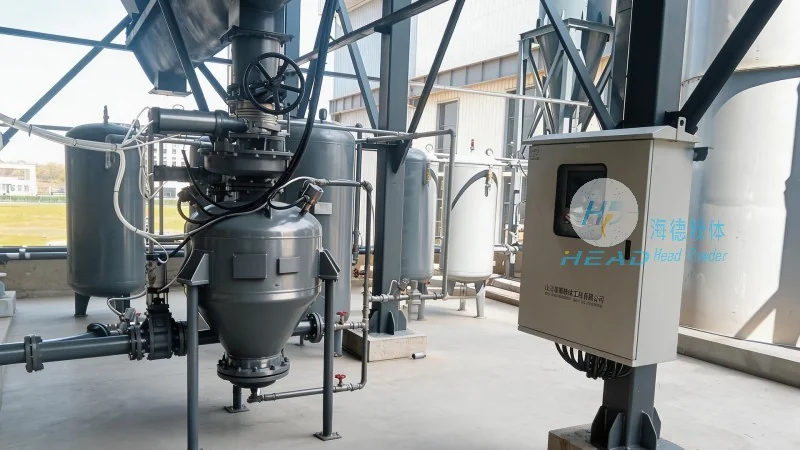
2. Pneumatic Handling Systems: These systems use compressed air to move materials through a network of pipes and ducts. They are particularly useful for handling fine powders and can be integrated with dust collection systems to maintain a clean and safe working environment. The design of pneumatic systems must consider factors such as material density, particle size, and the need for pressure control to prevent material blockages or system failures.
3. Feeding and Dosing Equipment: Accurate feeding and dosing of electrode materials are crucial for maintaining the consistency of battery performance. Equipment such as rotary valves, gravimetric feeders, and volumetric feeders are used to control the flow rate and quantity of materials being added to the production line. These devices are designed to minimize variations in material input, which directly impacts the uniformity of the final battery cells.
4. Control Systems and Automation: Modern material handling equipment is often integrated with advanced control systems that allow for real-time monitoring and adjustment of the production process. Sensors, PLCs (Programmable Logic Controllers), and SCADA (Supervisory Control and Data Acquisition) systems are used to track material flow, detect anomalies, and adjust parameters automatically. This automation enhances efficiency, reduces human error, and ensures compliance with production standards.
Design Principles for Ensuring Safety and Efficiency
The design of positive and negative electrode material handling equipment prioritizes both safety and operational efficiency. Key design principles include:
1. Material Compatibility: Equipment must be constructed from materials that are compatible with the electrode powders and any chemicals used in the production process. This includes using corrosion-resistant materials such as stainless steel and specialized coatings to prevent contamination and equipment degradation.
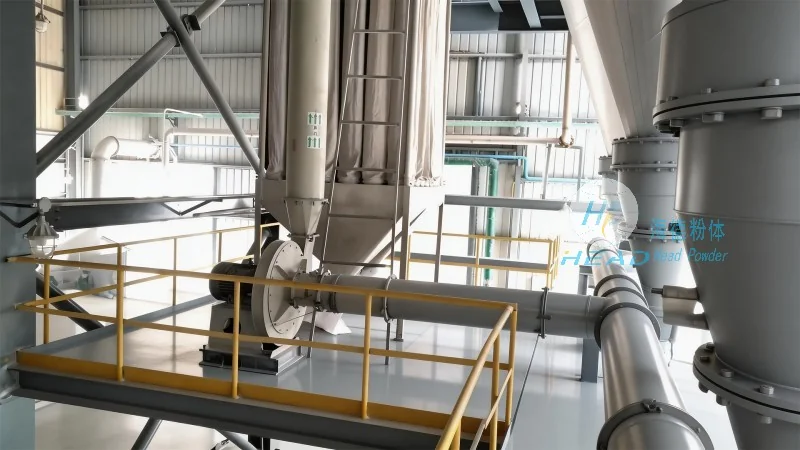
2. Dust Control: Given that electrode materials are often powders, dust generation is a significant concern. Equipment is designed with features such as sealed enclosures, dust collection systems, and explosion-proof components to minimize the risk of dust explosions and ensure a safe working environment.

3. Precision and Uniformity: The design emphasizes precision in material handling to ensure that the final battery cells have consistent performance characteristics. This involves precise control over flow rates, dosing accuracy, and material mixing, which are critical for achieving uniform electrode thickness and battery performance.
4. Scalability and Flexibility: Equipment is designed to be scalable, allowing it to adapt to changes in production volume and product specifications. Modular designs and adjustable components enable manufacturers to customize the equipment to meet specific production needs, ensuring long-term operational flexibility.
About Shandong HeadPowder Engineering Co., Ltd.
Shandong HeadPowder Engineering Co., Ltd., commonly known as headpowder, is a leading manufacturer specializing in the design and production of material handling equipment for the battery industry. With a focus on innovation and customer-centric solutions, headpowder provides high-quality equipment tailored to the unique requirements of positive and negative electrode material processing. The company's facilities are located in Shandong, China, where it leverages advanced manufacturing technologies and a team of experienced engineers to deliver reliable and efficient solutions for battery manufacturers worldwide.