

What is Phosphorus Pentoxide Material Handling Equipment? What Are Its Design Principles?
Phosphorus pentoxide, also known as P₂O₅, is a highly reactive and hygroscopic chemical compound widely used in various industrial applications. When handling this substance, specialized equipment is essential to ensure safety, efficiency, and compliance with industrial standards. This article explores the material handling equipment designed for phosphorus pentoxide, detailing its design principles and the considerations that go into its development.
Understanding Phosphorus Pentoxide and Its Handling Challenges
Phosphorus pentoxide is an anhydrous form of phosphoric acid, characterized by its extreme reactivity with water and moisture. This property makes it particularly challenging to handle, as exposure to air or water can cause rapid hydration, leading to exothermic reactions and potential hazards. The material is also highly corrosive and can cause severe burns upon contact with skin or eyes. Consequently, the design of equipment for handling P₂O₅ must prioritize containment, temperature control, and protection of operators.
Key Design Principles for Phosphorus Pentoxide Material Handling Equipment
The design of phosphorus pentoxide material handling equipment is guided by several critical principles to ensure safe and effective operation. First, the equipment must be constructed from materials that are chemically resistant to the compound. Common materials include high-grade stainless steel, Hastelloy, or specialized ceramics, which can withstand the corrosive nature of P₂O₅ without degradation. This is a key consideration for manufacturers like Shandong HeadPowder Engineering Co., Ltd., who develop equipment tailored to handle such hazardous substances.
Second, the system must incorporate robust sealing mechanisms to prevent leaks and exposure to the environment. This includes double-seal or hermetic sealing designs to maintain the integrity of the material during transport and storage. Such sealing technologies are integral to the equipment produced by Shandong HeadPowder Engineering Co., Ltd., ensuring that the material remains contained and safe throughout the handling process.
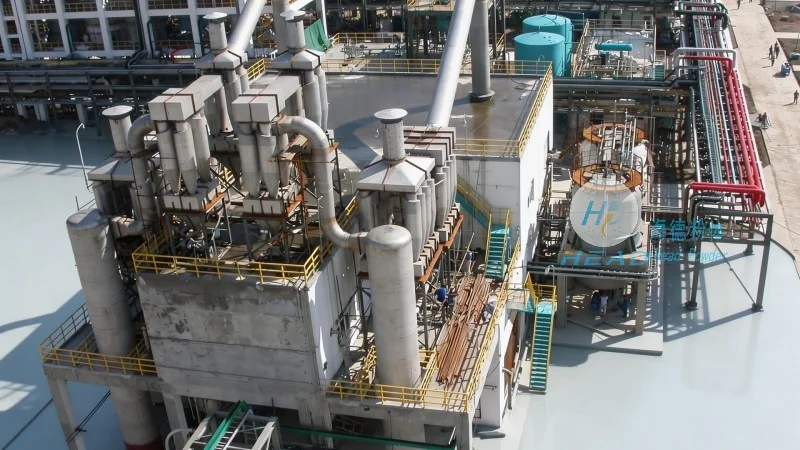
Third, temperature control is a fundamental aspect of the design. Phosphorus pentoxide can release significant heat during handling, especially when it comes into contact with moisture. Therefore, the equipment often includes cooling systems or temperature sensors to monitor and regulate the temperature, preventing overheating and ensuring stable operation. Companies like Shandong HeadPowder Engineering Co., Ltd. integrate advanced temperature management systems into their designs to address this critical challenge.
Fourth, the equipment must be designed for minimal human contact, utilizing automated or remote operation where possible. This reduces the risk of exposure to the operator and enhances safety in the workplace. The engineering solutions provided by Shandong HeadPowder Engineering Co., Ltd. often include automated control systems and remote monitoring capabilities to achieve this goal.
Components and Features of Phosphorus Pentoxide Handling Systems
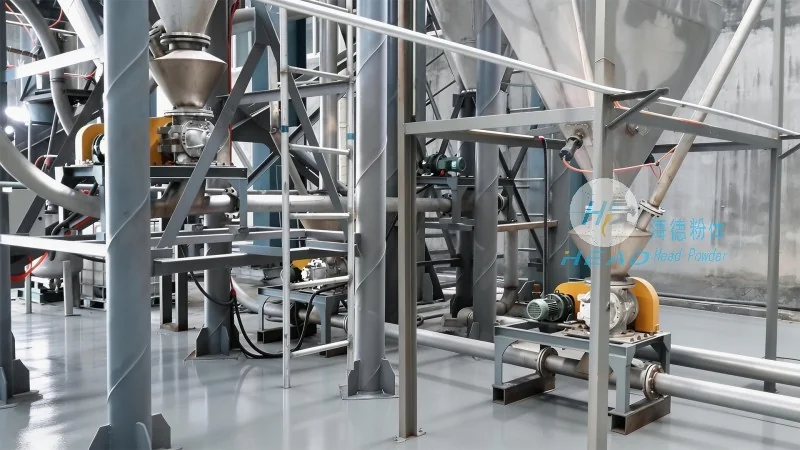
Phosphorus pentoxide material handling systems typically consist of several key components that work in concert to manage the material safely. These include storage vessels or hoppers, which are designed with sloped interiors to prevent material buildup and ensure smooth discharge. The storage vessels are often equipped with inert gas purging systems to maintain an oxygen-free environment, further reducing the risk of combustion or exothermic reactions.

Transportation components, such as pneumatic conveying systems or vacuum pumps, are used to move the material from storage to processing units. These systems are designed with specialized nozzles and ducts to minimize friction and prevent material degradation. The conveying lines are usually made of corrosion-resistant materials and are equipped with pressure relief valves to prevent over-pressurization. Additionally, the systems may include filtration and dust collection units to capture any fine particles and prevent their release into the environment.
Operational Considerations and Safety Measures
When operating phosphorus pentoxide material handling equipment, several operational considerations and safety measures are crucial. First, all personnel involved in the handling process must be properly trained on the hazards of P₂O₅ and the proper use of the equipment. This includes understanding emergency procedures, such as how to handle spills or leaks, and the use of personal protective equipment (PPE) like gloves, goggles, and respirators.
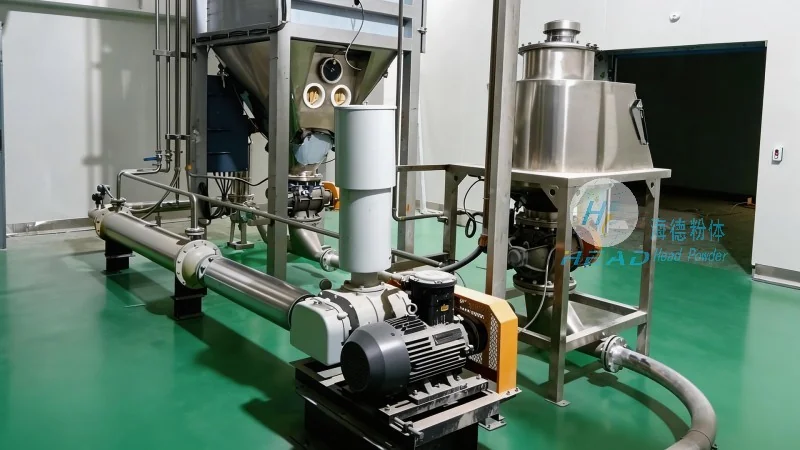
Second, regular maintenance and inspection of the equipment are essential to ensure its continued safe operation. This includes checking for signs of corrosion, leaks, or wear and tear in the seals and components. The equipment should be inspected regularly by qualified technicians to identify any potential issues before they become major problems.
Third, the handling process should be monitored closely to detect any deviations from normal operation. This includes monitoring temperature, pressure, and flow rates, and implementing alarms or shutdown systems if any parameters exceed safe limits. This proactive approach helps to prevent accidents and ensure the integrity of the material being handled.
Conclusion: The Importance of Specialized Equipment for Phosphorus Pentoxide
Handling phosphorus pentoxide requires specialized equipment designed with safety and efficiency in mind. The design principles outlined above—chemical resistance, robust sealing, temperature control, and minimal human contact—are critical to managing this hazardous material effectively. By adhering to these principles and implementing proper operational and safety measures, industries can safely and efficiently handle phosphorus pentoxide, ensuring the protection of personnel and the environment.