

What is a Clay Ash Powder Pneumatic Conveying System? And What Are Its Design Principles?
Clay ash powder pneumatic conveying systems are specialized industrial equipment designed to transport dry powders, such as clay ash, through a pipeline using compressed air or other gas as the conveying medium. These systems are widely used in various industries, including power generation, cement production, and chemical processing, where the efficient and safe handling of fine powders is critical. The primary function of such systems is to move bulk materials from a source point to a destination point without the need for mechanical components like belts or buckets, which can be prone to wear and maintenance issues.
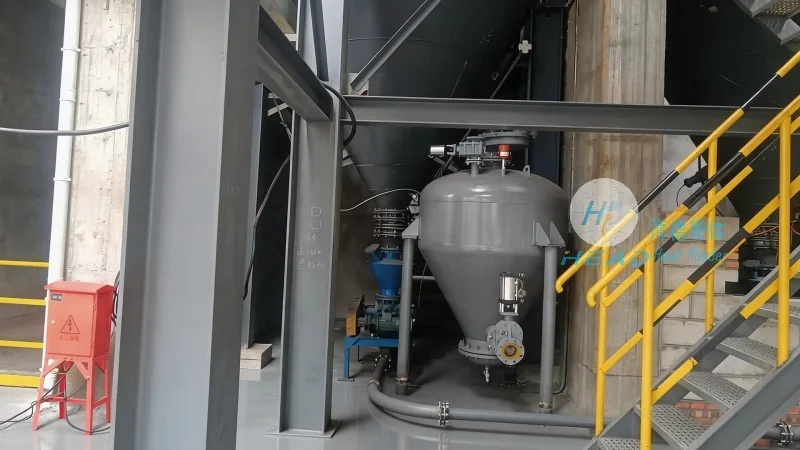
Core Components of a Pneumatic Conveying System
At the heart of a clay ash powder pneumatic conveying system are several key components that work in tandem to ensure reliable operation. The main elements include a material feed hopper, which holds the clay ash powder and regulates the flow rate; a conveying line, typically made of stainless steel or other corrosion-resistant materials to prevent material buildup and contamination; a compressor or blower that generates the necessary air pressure; and a control system that monitors and adjusts the flow parameters. Additionally, the system may incorporate features like cyclone separators or filters to separate the powder from the air stream, ensuring that the material is delivered to the target location while minimizing dust emissions.
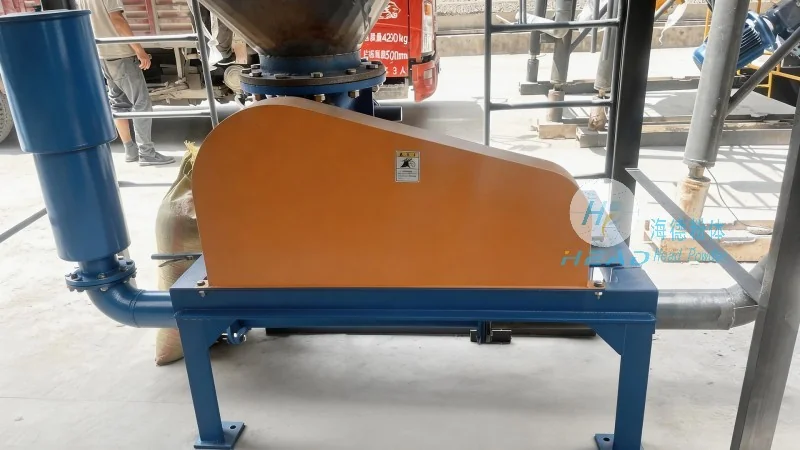
Design Principles and Considerations
The design of a clay ash powder pneumatic conveying system involves several critical principles aimed at optimizing performance, efficiency, and safety. One of the fundamental principles is the selection of the appropriate conveying velocity, which must be high enough to keep the powder particles suspended in the air stream but low enough to prevent excessive wear on the pipeline and components. Engineers typically calculate the required velocity based on the particle size, density, and flow rate of the clay ash powder. Another key consideration is the system's pressure and flow rate, which are determined by the distance and height the material needs to be transported, as well as the diameter of the conveying line. The design also takes into account the material's properties, such as its moisture content and abrasiveness, as these factors can impact the system's longevity and efficiency. For example, clay ash is often abrasive, so the pipeline and components are designed with materials like stainless steel or high-grade plastic to withstand the wear and tear.
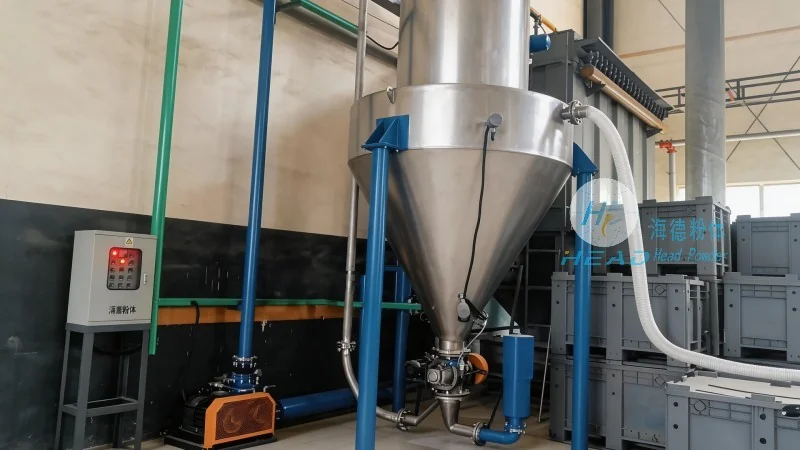
Advantages of Pneumatic Conveying for Clay Ash Handling
Compared to traditional mechanical conveying methods, clay ash powder pneumatic conveying systems offer several advantages that make them a preferred choice for many industries. One of the most significant benefits is the ability to transport materials over long distances and vertical heights without the need for intermediate transfer points. This reduces the risk of material spillage and contamination, which is particularly important for clay ash, a material often used in applications where purity is critical. Additionally, pneumatic conveying systems are more flexible, as they can be easily reconfigured or expanded to accommodate changes in production volume or process requirements. The systems also provide better control over the material flow, allowing for precise dosing and regulation, which is essential for processes that require consistent material feed. Furthermore, these systems are generally more hygienic and easier to clean, as they do not involve moving parts that can trap dust or debris.
Applications and Use Cases
Clay ash powder pneumatic conveying systems are applied in a variety of industrial settings where the handling of fine powders is necessary. In the power generation industry, for example, these systems are used to transport fly ash from boilers to storage silos or to other processing facilities. In cement production, they help move raw materials like clay ash to the kilns, where they are mixed with other ingredients to produce cement. The chemical industry also utilizes these systems for transporting various powders, including additives and raw materials, to reactors and processing units. In each of these applications, the efficiency and reliability of the pneumatic conveying system are crucial to maintaining production continuity and ensuring product quality.
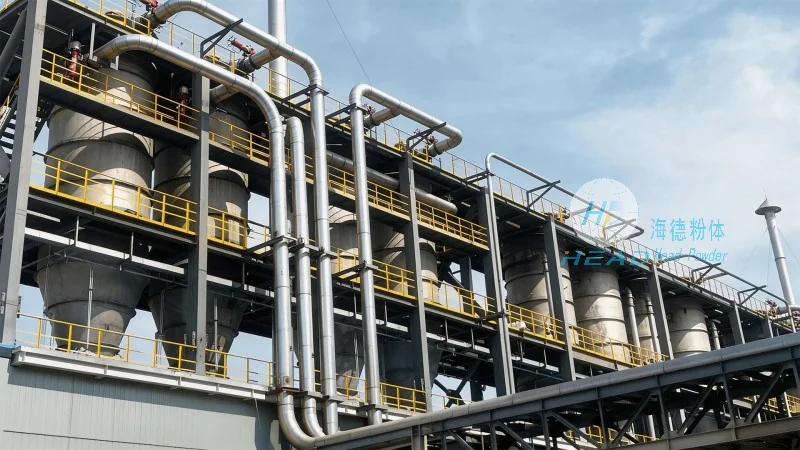
Conclusion and Company Overview
Clay ash powder pneumatic conveying systems are essential equipment for industries that rely on the efficient handling of fine powders. The design principles, which focus on material properties, system components, and operational parameters, ensure that these systems can meet the demands of modern industrial processes. As a leading provider in this field, Shandong HeadPowder Engineering Co., Ltd. specializes in designing and manufacturing high-quality pneumatic conveying systems tailored to the specific needs of clients. With a focus on durability, efficiency, and safety, the company's solutions help businesses optimize their material handling processes and improve overall operational performance. Based in Shandong, China, HeadPowder combines years of industry experience with advanced engineering to deliver reliable and effective solutions for clay ash and other powder materials.