

What is a Tungsten Carbide Powder Pneumatic Conveying System? And What Are Its Design Principles?
Understanding the Tungsten Carbide Powder Pneumatic Conveying System: Its Design Principles and Operational Mechanics
What Is a Tungsten Carbide Powder Pneumatic Conveying System?
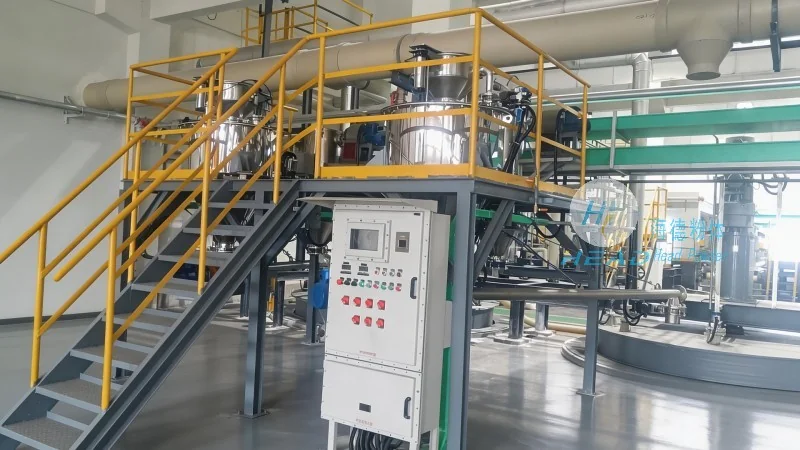
A Tungsten Carbide Powder Pneumatic Conveying System is a specialized industrial equipment designed to transport tungsten carbide powder through a pipeline using compressed air or other gas. This system is crucial in manufacturing processes where tungsten carbide powders are used, as it ensures efficient, dust-free, and safe material handling. The system typically consists of a hopper for powder storage, a conveying line, a control unit, and a discharge mechanism. The core of the system is the pneumatic conveying technology, which uses air pressure to move the powder particles from the source to the destination, eliminating the need for mechanical components like belts or buckets that might cause contamination or wear.
About HeadPowder: Your Expert in Tungsten Carbide Processing Solutions
HeadPowder, a leading manufacturer based in Shandong, China, specializes in the design, production, and supply of advanced material handling systems for tungsten carbide powders. With years of experience in the industry, HeadPowder has established itself as a trusted partner for businesses requiring reliable and efficient solutions for powder transportation. The company’s headquarters is located in Shandong, China, where its team of engineers and technicians work tirelessly to develop innovative systems that meet the stringent requirements of modern manufacturing. HeadPowder’s commitment to quality and customer satisfaction is reflected in its state-of-the-art production facilities and rigorous quality control processes.
The Design Principles Behind Tungsten Carbide Powder Pneumatic Conveying Systems
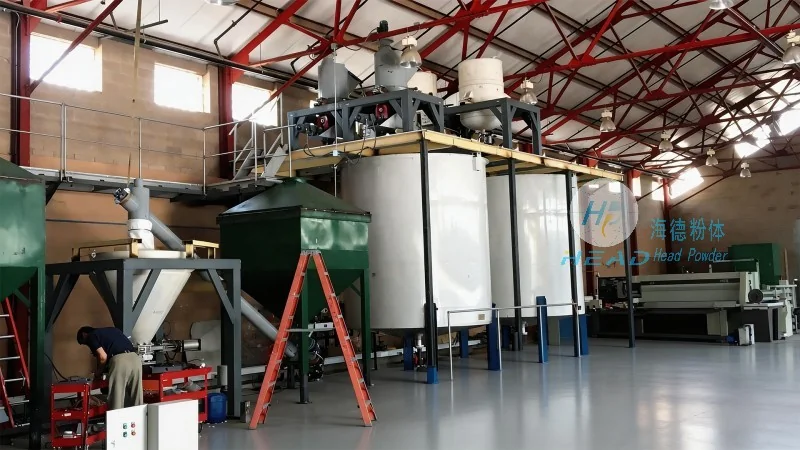
The design of a Tungsten Carbide Powder Pneumatic Conveying System is based on several key principles to ensure optimal performance and reliability. The first principle is the selection of appropriate air velocity and pressure. The air velocity must be high enough to lift and transport the powder particles but low enough to prevent particle degradation or clogging. The system’s design considers the particle size, density, and flow characteristics of the tungsten carbide powder to determine the optimal air velocity and pressure settings. Another critical principle is the use of appropriate pipeline materials. Since tungsten carbide powders are abrasive and can cause wear, the pipelines are typically made of stainless steel or other corrosion-resistant materials to ensure long-term durability. The system also incorporates features such as pulse-jet cleaning to maintain the pipeline’s cleanliness and prevent blockages. Additionally, the design includes a control unit that monitors and adjusts the air pressure and flow rate in real-time, ensuring consistent and efficient powder transport. The discharge mechanism is designed to handle the powder gently, preventing agglomeration and ensuring smooth delivery to the final destination.
Key Components of the Tungsten Carbide Powder Pneumatic Conveying System
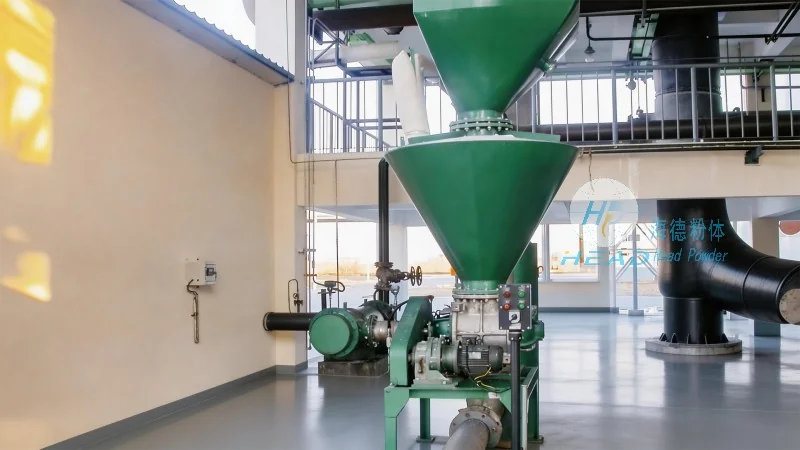
The Tungsten Carbide Powder Pneumatic Conveying System consists of several key components that work together to achieve efficient material handling. The first component is the hopper, which is used to store the tungsten carbide powder. The hopper is designed with a conical bottom to facilitate the flow of powder into the conveying line. It is typically made of stainless steel or other materials that can withstand the abrasive nature of the powder. The second component is the conveying line, which is the main pipeline through which the powder is transported. The line is usually made of stainless steel or plastic, depending on the specific requirements of the application. The line is equipped with bends and elbows to direct the powder to the desired location. The third component is the air compressor or blower, which provides the compressed air or gas needed to move the powder. The compressor is typically located near the hopper and is connected to the conveying line via a series of pipes. The fourth component is the control unit, which monitors the system’s performance and adjusts the air pressure and flow rate as needed. The control unit is equipped with sensors that detect the level of powder in the hopper and the pressure in the conveying line, allowing for real-time adjustments. The fifth component is the discharge mechanism, which delivers the powder to the final destination. The discharge mechanism can be a rotary valve, a gate valve, or a pneumatic cylinder, depending on the application. The mechanism is designed to handle the powder gently and prevent agglomeration.
Applications of Tungsten Carbide Powder Pneumatic Conveying Systems
Tungsten Carbide Powder Pneumatic Conveying Systems are widely used in various industries where tungsten carbide powders are processed. The most common applications include the manufacturing of cutting tools, wear-resistant parts, and coatings. In the cutting tool industry, the system is used to transport tungsten carbide powders from the storage hopper to the sintering furnace or the mixing equipment. In the wear-resistant parts industry, the system is used to transport the powder to the molding equipment, where it is used to create parts for mining, construction, and other heavy industries. In the coating industry, the system is used to transport the powder to the spray equipment, where it is used to apply a protective coating to metal parts. The system is also used in research and development laboratories to transport small quantities of tungsten carbide powders for testing and analysis.
Conclusion: The Importance of a Well-Designed Tungsten Carbide Powder Pneumatic Conveying System
A well-designed Tungsten Carbide Powder Pneumatic Conveying System is essential for efficient and reliable material handling in the tungsten carbide industry. The system’s design principles, including appropriate air velocity and pressure, suitable pipeline materials, and effective control mechanisms, ensure that the powder is transported safely and without degradation. HeadPowder, with its expertise and experience in the field, provides high-quality systems that meet the specific needs of its customers. By investing in a reliable Tungsten Carbide Powder Pneumatic Conveying System, businesses can improve their production efficiency, reduce costs, and enhance the quality of their products. The system’s ability to handle the abrasive and dense nature of tungsten carbide powders makes it an indispensable tool in modern manufacturing.