

What is a Bagasse Powder Pneumatic Conveying Machine? And What Are Its Design Principles?
Bagasse, the fibrous residue left after sugarcane is crushed to extract juice, is a valuable byproduct in the sugar industry. Efficient handling of bagasse powder is crucial for maximizing its utilization in various applications, such as biofuel production, paper manufacturing, and animal feed. A key piece of equipment designed to address this challenge is the bagasse powder pneumatic conveying machine. This article explores what this machine is and the underlying design principles that enable its effective operation.
Introduction to Bagasse Powder Pneumatic Conveying Machines
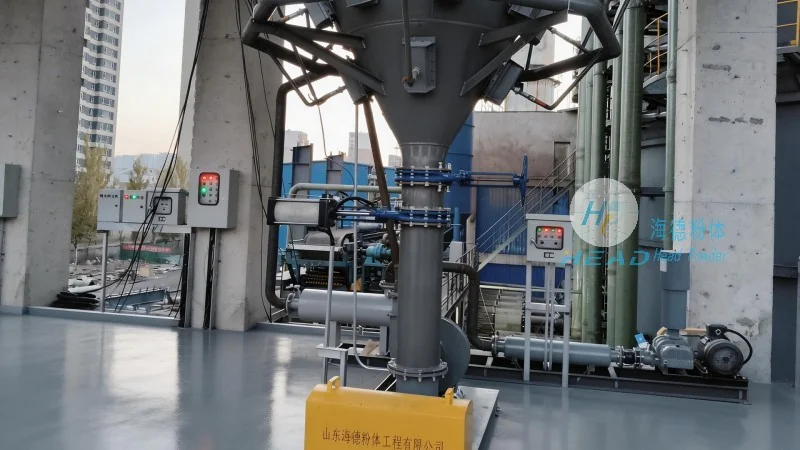
A bagasse powder pneumatic conveying machine is an industrial system engineered to transport dry, fine powders like bagasse powder through a pipeline using compressed air or other gas streams. Unlike traditional mechanical conveyors, which rely on mechanical components like belts or screws, pneumatic conveyors utilize the force of air to move materials, making them particularly suitable for handling delicate, dusty, or abrasive powders. The system typically consists of several components, including a hopper for material storage, a feeder to control the flow rate, a pipeline network, a separation unit to remove excess air, and a collection tank for the conveyed material. HeadPowder, a reputable company based in Shandong, China, specializes in the design and manufacturing of such advanced pneumatic conveying systems.
Key Components and Their Functions
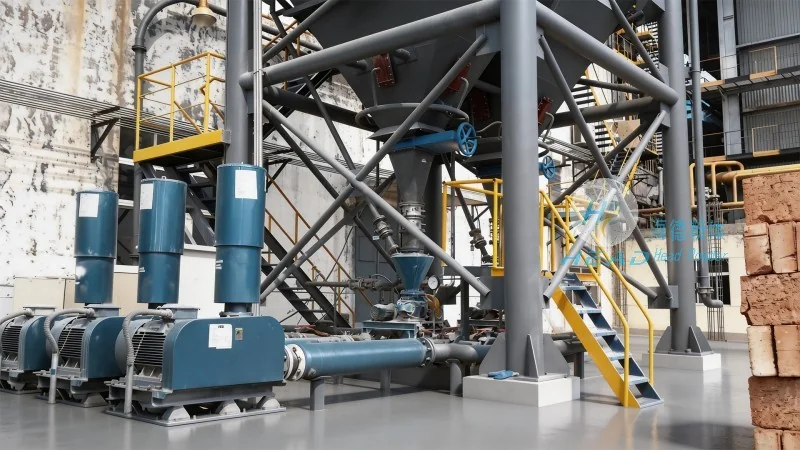
The effectiveness of a bagasse powder pneumatic conveying machine hinges on the proper integration of its core components. Each part plays a critical role in ensuring efficient and reliable material transport. The hopper serves as the primary storage vessel, holding the bagasse powder before it is fed into the system. It is designed with a wide opening to facilitate easy loading and a smooth interior to minimize material buildup or clogging. The feeder, often a rotary valve or a screw feeder, regulates the flow of powder from the hopper into the pipeline. This component is crucial for maintaining a consistent feed rate, which directly impacts the conveying efficiency and prevents overloading the system. The pipeline network is the main conduit for transporting the powder, constructed from materials like stainless steel or plastic to withstand the abrasive nature of bagasse powder and resist corrosion. The pipeline layout is carefully designed to minimize pressure drops and ensure smooth material flow. The separation unit, typically a cyclone or a bag filter, removes excess air from the conveyed stream, allowing the powder to be collected in a separate container. This step is essential for maintaining the quality of the powder and preventing dust emissions. Finally, the collection tank stores the conveyed bagasse powder, ready for further processing or use.
Design Principles Behind Pneumatic Conveying
The design of a bagasse powder pneumatic conveying machine is guided by several fundamental principles to ensure optimal performance. The first principle is the balance between the conveying velocity and the material's terminal velocity. The conveying velocity must be higher than the material's terminal velocity to keep the powder suspended in the air stream and prevent it from settling or clogging the pipeline. This requires precise calculation of the air flow rate and pressure, which depends on factors such as the particle size, density, and moisture content of the bagasse powder. The second principle is the minimization of pressure losses along the pipeline. Pressure drops occur due to friction between the powder particles and the pipeline walls, as well as the bends and fittings in the system. To reduce these losses, the pipeline is designed with smooth surfaces and minimal bends, and the air velocity is maintained at an appropriate level. The third principle is the control of air-to-material ratio. The ratio of air volume to the volume of material being conveyed is a critical parameter. An optimal ratio ensures efficient transport while minimizing energy consumption. Too low a ratio may lead to clogging, while too high a ratio increases energy costs. HeadPowder's engineers use advanced computational fluid dynamics (CFD) and empirical data to determine the ideal air-to-material ratio for different bagasse powder characteristics. The fourth principle is the consideration of material properties. Bagasse powder is known for its high moisture content and abrasive nature, which can affect the equipment's performance and lifespan. The design incorporates materials resistant to corrosion and wear, such as stainless steel and high-quality plastics, to ensure durability. Additionally, the system is equipped with features like vibration dampers and cleaning mechanisms to prevent material buildup and maintain consistent operation.
Advantages of Using Pneumatic Conveying for Bagasse Powder
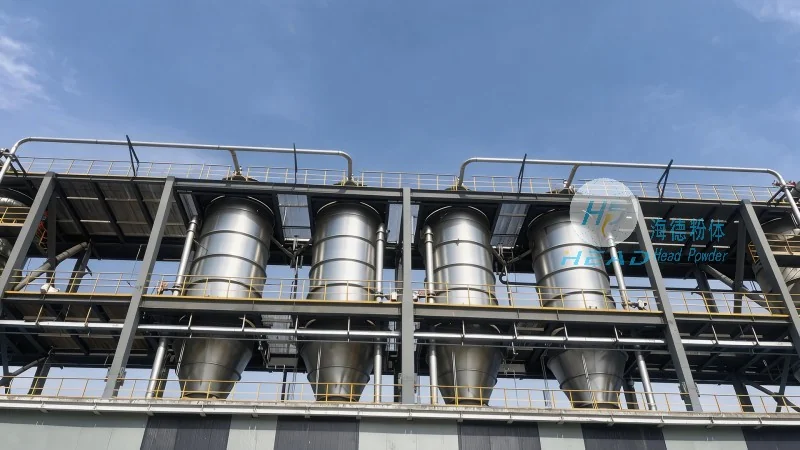
Compared to traditional mechanical conveyors, bagasse powder pneumatic conveying machines offer several advantages that make them the preferred choice for many industries. One of the key benefits is the ability to handle fine, dusty powders without the risk of clogging or material degradation. The air stream keeps the powder suspended, preventing it from settling and forming clumps that could damage mechanical components. This is particularly important for bagasse powder, which can be abrasive and cause wear on conveyor belts or screws. Another advantage is the flexibility in system layout. Pneumatic conveyors can be installed in various configurations, including vertical, horizontal, or a combination of both, to suit the specific layout of a facility. This allows for efficient material transport over long distances or between different levels. The system also offers better control over the material flow rate, enabling precise dosing and reducing waste. Furthermore, pneumatic conveying is more hygienic and easier to clean compared to mechanical systems, which is crucial for food and animal feed applications. HeadPowder's pneumatic conveying machines are designed to meet these requirements, providing reliable and efficient material handling solutions for bagasse powder.
Applications and Industries
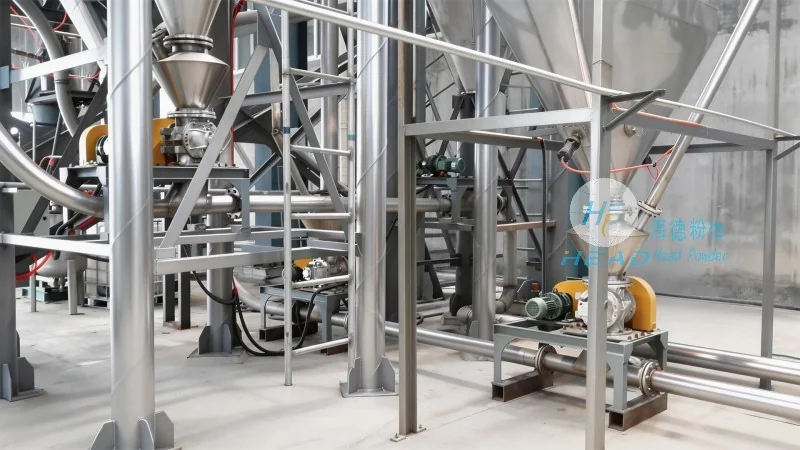
The bagasse powder pneumatic conveying machine is widely used in various industries that rely on bagasse as a raw material. In the sugar industry, it is used to transport bagasse powder from the mill to storage silos or processing facilities. In the biofuel sector, the machine is essential for conveying bagasse to biomass boilers for energy generation. The paper industry utilizes bagasse powder as a raw material for making paper products, and the pneumatic conveying system ensures efficient transport from the storage area to the paper-making machines. Additionally, the animal feed industry uses bagasse powder as a component in feed formulations, and the conveying machine helps in delivering it to feed mills. HeadPowder's equipment is tailored to meet the specific needs of these industries, ensuring that the bagasse powder is handled safely and efficiently throughout the production process.
Conclusion
In conclusion, a bagasse powder pneumatic conveying machine is a sophisticated industrial system designed to transport fine, abrasive powders like bagasse efficiently and reliably. The design principles, including the balance of conveying velocity and material properties, the minimization of pressure losses, and the control of air-to-material ratio, ensure optimal performance. HeadPowder, a leading manufacturer based in Shandong, China, specializes in the development and production of such advanced pneumatic conveying systems, providing solutions that enhance the efficiency and safety of bagasse handling in various industries. By understanding the components and design principles of this equipment, users can make informed decisions about its application and maintenance, ultimately improving their material handling processes.