

What is a Denitrification Urea Powder Pneumatic Conveying Machine? And What Are Its Design Principle
Denitrification urea powder pneumatic conveying machines represent a specialized type of equipment designed for the efficient transport of urea powder, a key component in industrial processes such as denitrification and fertilizer production. These machines utilize pneumatic conveying technology to move urea powder from storage silos or processing units to various destinations, ensuring a safe, reliable, and low-dust operation. Understanding the core functionality and design principles of such equipment is crucial for industries that rely on precise and efficient urea handling.
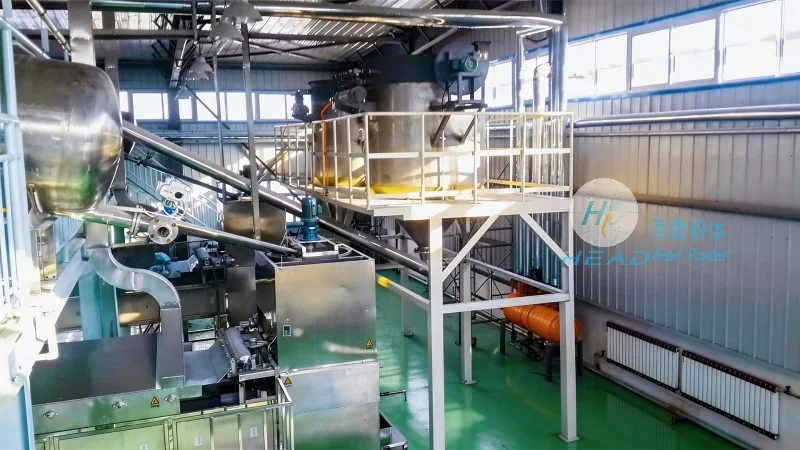
Introduction to Denitrification Urea Powder Pneumatic Conveying Machines
Denitrification urea powder pneumatic conveying machines are engineered to handle the unique characteristics of urea powder, which includes its fine particle size, hygroscopic nature, and potential for dust generation. The primary goal of these machines is to facilitate the seamless transfer of urea from its source to the point of use, such as in denitrification systems or fertilizer blending operations. By leveraging pneumatic conveying, the equipment minimizes the risk of material degradation, contamination, and environmental pollution, making it an essential tool in modern industrial applications.
About Shandong HeadPowder Engineering Co., Ltd.
HeadPowder, or Shandong HeadPowder Engineering Co., Ltd., is a leading manufacturer specializing in the design, development, and production of advanced pneumatic conveying systems. With a strong focus on innovation and customer-centric solutions, the company has established itself as a trusted partner for industries requiring reliable and efficient material handling solutions. HeadPowder's expertise lies in creating customized pneumatic conveying machines tailored to the specific needs of clients, ensuring optimal performance and durability in demanding operational environments.
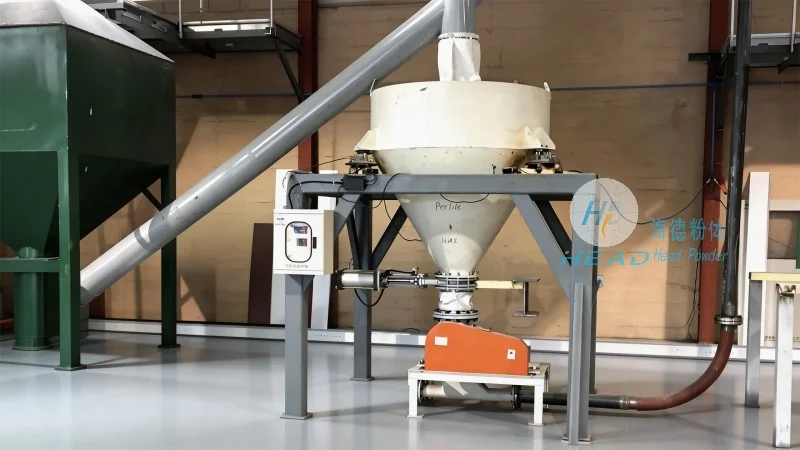
Design Principles of Denitrification Urea Powder Pneumatic Conveying Machines
The design of denitrification urea powder pneumatic conveying machines is built on several fundamental principles that ensure efficient and safe operation. The core components include a hopper for material storage, a conveying line (often with multiple sections), a blower or compressor to generate the necessary air pressure, and a control system to regulate the flow of material and air. The machine's design must account for the hygroscopic properties of urea, which can lead to clumping or caking if not properly managed. To address this, the conveying system incorporates features such as agitators, vibrators, or heated sections to maintain the material's flowability. Additionally, the equipment is designed with dust collection and filtration systems to minimize environmental impact and ensure compliance with safety regulations.
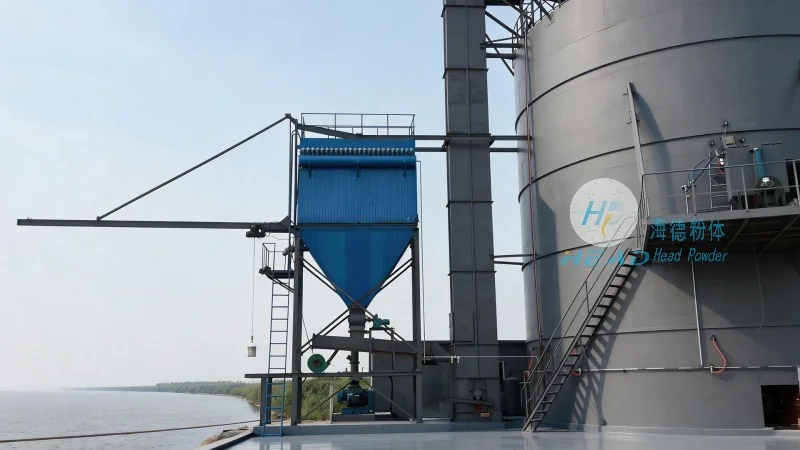
Key Features and Advantages
Denitrification urea powder pneumatic conveying machines from HeadPowder are equipped with several key features that enhance their performance and reliability. These include adjustable air pressure and flow rates to accommodate varying material loads, automatic shut-off valves to prevent backflow, and integrated monitoring systems to track operational parameters. The machines are constructed from high-quality materials, such as stainless steel, to resist corrosion and maintain hygiene standards, which is critical when handling urea for denitrification applications. Furthermore, the design allows for easy maintenance and cleaning, reducing downtime and operational costs. The pneumatic conveying system also eliminates the need for mechanical components like belts or chains, reducing wear and tear and extending the equipment's lifespan.
Applications and Operational Benefits
These machines are widely used in various industrial sectors, including chemical manufacturing, fertilizer production, and environmental treatment facilities. In denitrification processes, the equipment ensures the precise delivery of urea to reactors, where it reacts with nitrogen oxides to reduce emissions. The efficient conveying of urea minimizes material loss and improves the overall efficiency of the denitrification system. In fertilizer production, the machine facilitates the blending of urea with other nutrients, ensuring uniform product quality. The operational benefits of using pneumatic conveying for urea powder include reduced labor costs, improved safety due to enclosed systems, and lower energy consumption compared to traditional methods like bucket elevators or screw conveyors.