

Carboxymethyl Cellulose Material Pneumatic Conveying Equipment: What It Is and Its Design Principles
Carboxymethyl cellulose (CMC) is a widely used chemical additive in various industries, including food, pharmaceuticals, and construction. The efficient handling and transportation of CMC powder are crucial for maintaining product quality and operational efficiency. Pneumatic conveying equipment has emerged as a reliable solution for moving CMC material from storage to processing units. This article explores the concept of carboxymethyl cellulose material pneumatic conveying equipment and delves into its design principles, highlighting the technology's role in modern industrial applications.
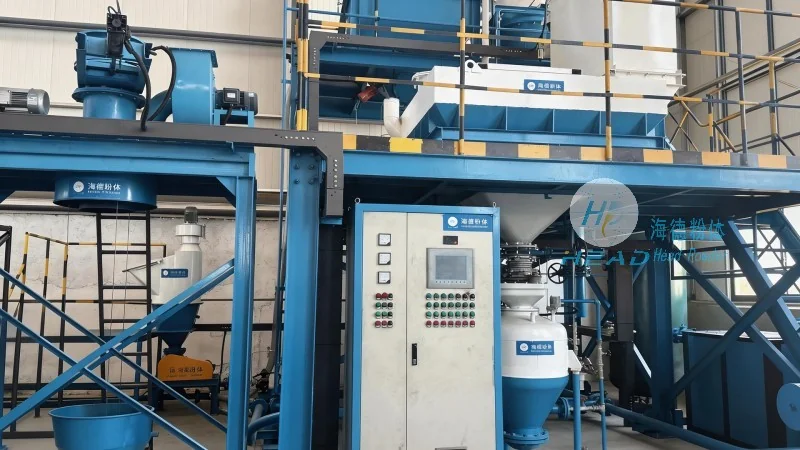
Understanding Pneumatic Conveying for CMC Materials
Pneumatic conveying systems utilize air or gas to transport bulk materials like carboxymethyl cellulose powder through a pipeline network. Unlike mechanical conveying methods, which rely on physical contact and friction, pneumatic systems offer several advantages, such as reduced product contamination, lower maintenance requirements, and the ability to handle fine powders without clogging. For CMC, which is often a fine, hygroscopic powder, these benefits are particularly significant. The equipment typically consists of a hopper for material storage, a conveyor line with appropriate air flow, and a discharge point where the material is released into the processing line.
Key Components of Carboxymethyl Cellulose Pneumatic Conveying Equipment
The design of CMC material pneumatic conveying equipment involves several critical components that work in tandem to ensure effective material transport. The primary components include:
1. Material Hopper: This component stores the carboxymethyl cellulose powder and provides a controlled feed to the conveying system. The hopper is often equipped with a rotary valve or a feeder to regulate the flow of material into the conveyor line, preventing overfilling and ensuring a steady supply.
2. Air Supply System: Compressors or blowers generate the necessary air pressure to move the CMC powder through the pipeline. The air flow rate is carefully controlled to maintain the material in a suspended state, avoiding particle settling or blockages. The system may also include filters to ensure the air is clean, preventing contamination of the CMC material.
3. Pipeline and Conveying Line: The pipeline is constructed from materials resistant to the chemical properties of CMC, such as stainless steel or specialized plastic. The diameter and length of the pipeline are optimized to minimize pressure drop and energy consumption while ensuring the material reaches the discharge point efficiently.
4. Control and Monitoring Systems: Modern pneumatic conveying systems incorporate sensors and control panels to monitor pressure, flow rates, and material levels. These systems allow operators to adjust the air flow and feed rate in real-time, ensuring optimal performance and preventing system failures. For CMC, which can be sensitive to moisture and temperature, precise control is essential to maintain product quality.
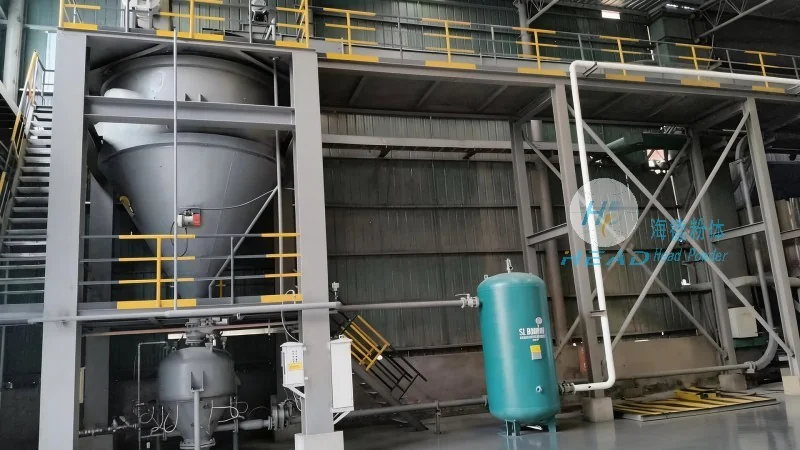
Design Principles for Efficient CMC Pneumatic Conveying
The design of carboxymethyl cellulose material pneumatic conveying equipment follows specific principles to maximize efficiency and reliability. These principles include:
1. Pressure and Flow Optimization: The system is designed to operate at an optimal pressure and flow rate that balances energy consumption with material transport efficiency. For CMC, which is a fine powder, higher air velocities may be required to prevent settling, but excessive air flow can lead to increased energy costs and potential material loss.
2. Material Compatibility: The equipment components, including the hopper, pipeline, and valves, are selected to be compatible with carboxymethyl cellulose. This includes using materials that resist chemical reactions and prevent contamination, ensuring the purity of the CMC product.
3. System Integration: The pneumatic conveying system is integrated with the overall production process, allowing seamless transfer of CMC from storage to processing units. This integration minimizes downtime and ensures a continuous flow of material, which is critical for maintaining production rates.
4. Safety and Maintenance: The design incorporates safety features, such as pressure relief valves and emergency shut-off mechanisms, to prevent accidents. Regular maintenance is also essential to ensure the system operates efficiently and to extend its lifespan. For CMC, which can be abrasive or prone to clogging, proper maintenance is crucial to avoid system failures.
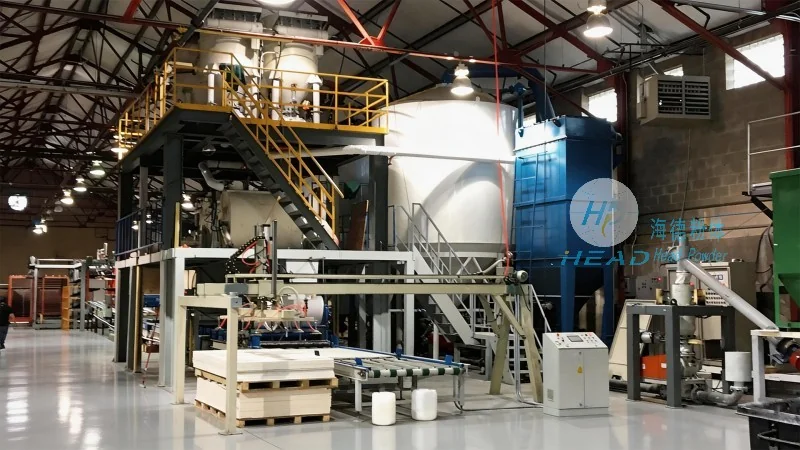
Applications and Benefits of Carboxymethyl Cellulose Pneumatic Conveying Equipment
Carboxymethyl cellulose material pneumatic conveying equipment is widely used in industries where CMC is a key ingredient. In the food industry, it is used to transport CMC for use in food additives and thickeners. In the pharmaceutical industry, it is used to move CMC for drug formulations and excipients. In the construction industry, it is used to transport CMC for use in cement additives and other building materials. The benefits of using pneumatic conveying for CMC include:
1. Reduced Product Contamination: Unlike mechanical conveying methods, which may introduce contaminants from the equipment or environment, pneumatic systems keep the CMC powder clean and free from impurities.
2. Improved Product Quality: The gentle handling of CMC by pneumatic systems prevents agglomeration and degradation, maintaining the powder's quality and performance.
3. Increased Operational Efficiency: The automated nature of pneumatic conveying systems reduces labor costs and minimizes downtime, leading to higher production throughput.
4. Space Efficiency: Pneumatic systems can be installed in compact spaces, making them suitable for facilities with limited floor area.
Conclusion
Carboxymethyl cellulose material pneumatic conveying equipment is a vital technology for the efficient and reliable transportation of CMC powder in various industrial applications. The design principles, including pressure optimization, material compatibility, and system integration, ensure that the equipment operates efficiently while maintaining product quality. As industries continue to rely on CMC as a key additive, the demand for advanced pneumatic conveying solutions will likely increase. Companies like Shandong HeadPowder Engineering Co., Ltd., based in China, play a crucial role in developing and manufacturing such equipment, providing customized solutions to meet the specific needs of their clients.