

What is a Quicklime Powder Pneumatic Conveying Line? And What Are Its Design Principles?
Quicklime powder, also known as calcium oxide (CaO), is a widely used industrial material in various sectors such as construction, chemical manufacturing, and environmental treatment. The efficient and safe transportation of quicklime powder from storage to processing units is crucial for industrial operations. A quicklime powder material pneumatic conveying system offers a reliable solution for this purpose, enabling the transport of bulk materials through a pressurized air stream. This article explores the concept of a quicklime powder pneumatic conveying line and delves into its fundamental design principles, highlighting the technical aspects and operational considerations involved, with a focus on systems provided by Shandong HeadPowder Engineering Co., Ltd., commonly known as headpowder.
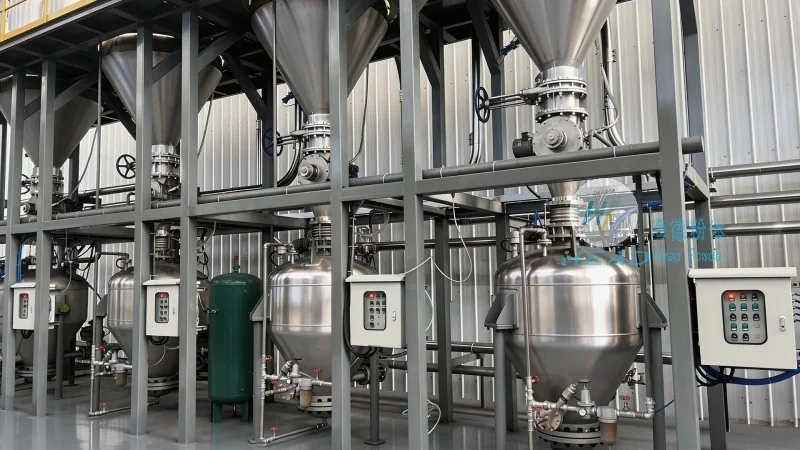
Understanding Quicklime Powder Pneumatic Conveying Systems
A quicklime powder pneumatic conveying line is a system designed to transport quicklime powder from a source, such as a storage silo or hopper, to a destination, like a processing plant or a reaction vessel. The system operates by using compressed air to create a flow that carries the powder particles through a pipeline network. This method is particularly advantageous for quicklime powder due to its fine particle size and potential for dust generation, as it allows for a dust-free and continuous material transfer process. The system's design must account for the material's reactivity and the need to prevent moisture absorption, which can affect its performance in downstream applications.
Key Components of a Quicklime Powder Pneumatic Conveying System
The design of a quicklime powder pneumatic conveying system involves several critical components that work in tandem to ensure efficient operation. These components include the material feed hopper, which holds the quicklime powder and regulates its flow into the system through a rotary valve or feeder; the air compressor or blower, which generates the necessary pressure to move the material, typically operating at pressures between 0.5 to 1.5 bar; the conveying pipeline, which transports the powder and air mixture, often made of stainless steel or special plastic materials to resist corrosion from the quicklime; and the receiving hopper or processing equipment at the destination, equipped with a filter or separator to remove excess air and return the powder to the processing line. Additional accessories like filters, dust collectors, and pressure relief valves are integrated to maintain system integrity and air quality.
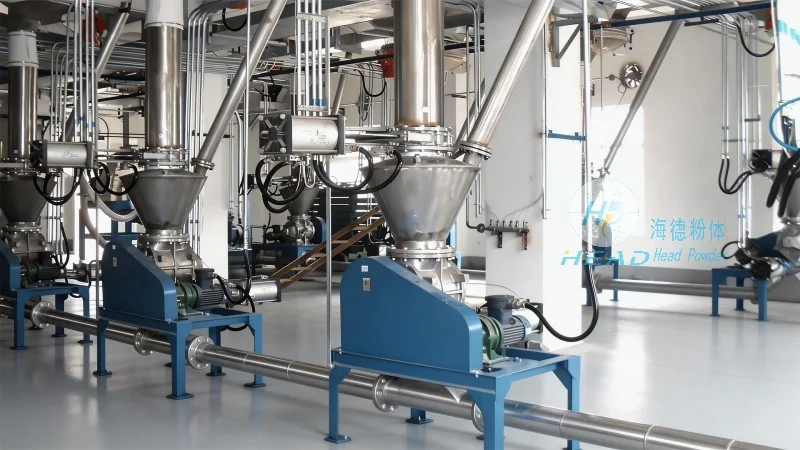
Design Principles for Optimal Performance
The design principles of a quicklime powder pneumatic conveying system are centered on achieving efficient material transport while minimizing operational issues such as blockages, pressure drops, and material degradation. One of the primary design considerations is the selection of the appropriate air velocity, which must be high enough to keep the powder particles suspended in the air stream but low enough to prevent excessive wear on the pipeline and equipment. The pipeline diameter and length are also critical factors, as they directly impact the pressure drop and energy consumption of the system. Proper sizing of the air compressor and the use of appropriate materials for the pipeline, such as stainless steel or special coatings, are essential to withstand the corrosive nature of quicklime powder and ensure long-term durability. The system's layout should also consider the vertical and horizontal distances between the feed and receiving points to optimize air usage and reduce energy costs.
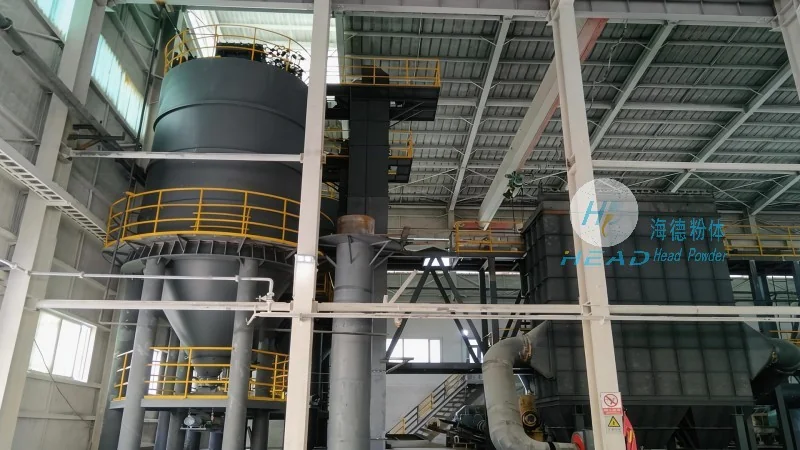
Operational Considerations and Maintenance
Once the quicklime powder pneumatic conveying system is installed and operational, regular maintenance is crucial to ensure consistent performance. This includes monitoring air pressure and flow rates, inspecting pipelines for blockages or leaks, and cleaning filters and dust collectors to prevent clogging. The system's design should also account for the potential for material buildup or agglomeration, which can lead to blockages. Implementing features like vibration devices or air knives in the pipeline can help mitigate these issues and maintain smooth material flow. Regular maintenance schedules and the use of high-quality components are essential to prolong the system's lifespan and minimize downtime. Additionally, the system should be equipped with safety features such as pressure relief valves and emergency shut-off mechanisms to prevent accidents and protect personnel.
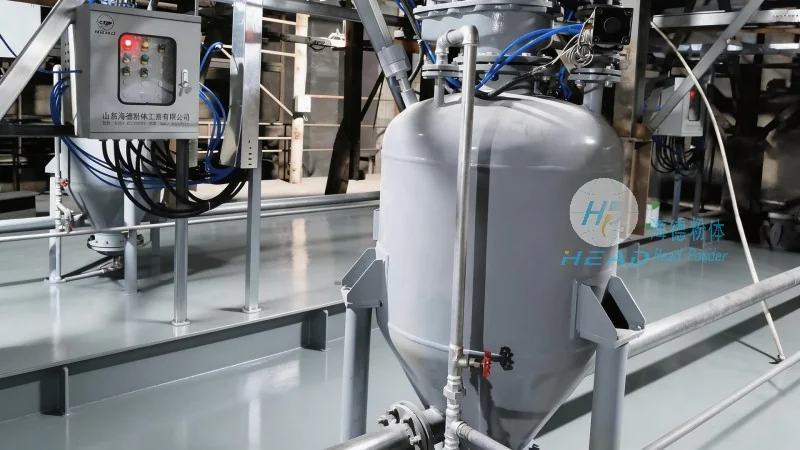
Benefits of Using a Quicklime Powder Pneumatic Conveying System
Employing a quicklime powder pneumatic conveying system offers several benefits for industrial applications. Firstly, it provides a dust-free and safe method of material transport, reducing the risk of respiratory issues and environmental contamination. Secondly, it enables continuous and automated material handling, improving operational efficiency and reducing labor costs. Thirdly, the system allows for precise control over material flow rates, ensuring consistent processing in downstream equipment. Lastly, the compact design of pneumatic conveying systems makes them suitable for installations in confined spaces, optimizing plant layout and space utilization. These benefits make pneumatic conveying an attractive option for industries dealing with quicklime powder, as it enhances productivity while maintaining safety standards.
Conclusion
In summary, a quicklime powder material pneumatic conveying line is a sophisticated system designed to efficiently transport quicklime powder while adhering to design principles that prioritize performance, safety, and durability. The system's components and operational considerations are tailored to the unique properties of quicklime powder, ensuring reliable and continuous material transfer. By understanding these design principles and implementing proper maintenance practices, industrial facilities can leverage the benefits of pneumatic conveying to enhance their operational efficiency and safety. Shandong HeadPowder Engineering Co., Ltd. (headpowder), with its expertise in material handling systems, provides comprehensive solutions that meet the specific needs of quicklime powder transportation, contributing to the smooth operation of industrial processes.