

What is a Micron Silica Powder Material Pneumatic Conveying Machine? What is its Design Principle?
In industrial settings, the efficient and safe handling of fine powders like micron silica powder is crucial for maintaining productivity and compliance with safety standards. Pneumatic conveying machines, specifically designed for such materials, offer a non-contact method of transporting powders through a pressurized or vacuum system. This article delves into the concept of a micron silica powder material pneumatic conveying machine, explaining its functionality and the underlying design principles that enable effective material transport.
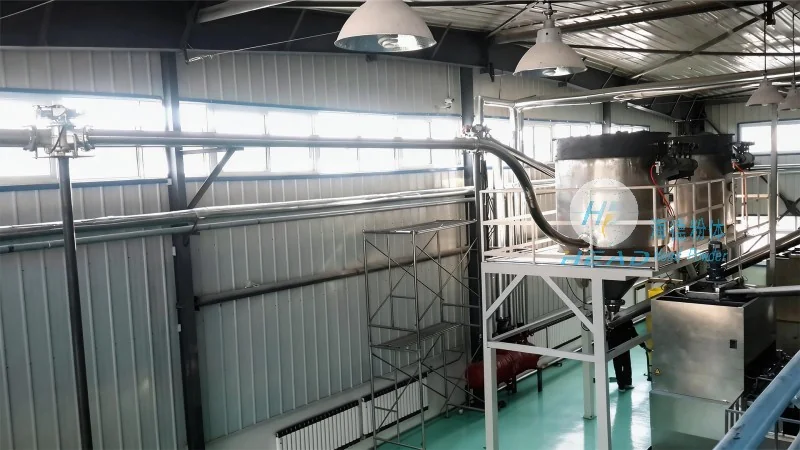
About HeadPowder Engineering
HeadPowder, formally known as Shandong HeadPowder Engineering Co., Ltd., is a reputable engineering firm headquartered in Shandong, China. Specializing in powder handling equipment, the company has built a strong reputation for delivering high-performance pneumatic conveying systems tailored to the unique requirements of various industries. With years of experience in the field, HeadPowder combines technical expertise with customer-centric solutions to meet the evolving needs of clients worldwide.
Design Principles of Pneumatic Conveying Systems for Micron Silica Powder
The design of a pneumatic conveying machine for micron silica powder revolves around fundamental principles of fluid dynamics and material science. The system typically operates on one of two primary modes: positive pressure (blow-through) or negative pressure (suction). Positive pressure systems use an air compressor to force air and powder through the conveying line, while negative pressure systems employ a vacuum to draw the material into the system. For micron silica powder, positive pressure is often preferred due to its ability to handle larger quantities and longer distances without significant pressure loss.
Key design components include the hopper, which stores the micron silica powder and ensures a consistent feed rate. The hopper is equipped with a feeder, such as a rotary valve or screw feeder, to control the flow of powder into the conveying line. The air compressor or blower generates the necessary airflow, with pressure levels typically ranging from 0.5 to 2 bar depending on the system's capacity and distance. The conveying line, constructed from materials resistant to silica dust and corrosion (e.g., stainless steel or polyethylene), is designed with smooth bends and minimal obstructions to maintain air velocity and prevent particle accumulation.
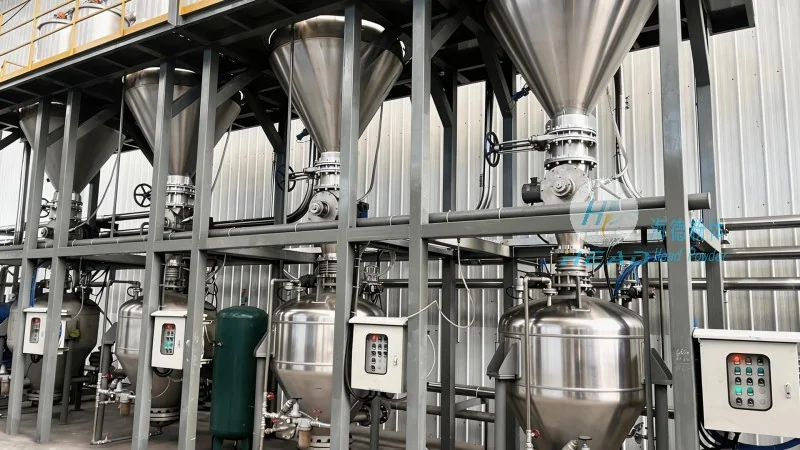
Another critical design element is the separation system, which separates the micron silica powder from the air stream at the end of the conveying line. This is often achieved using a cyclone separator, which utilizes centrifugal force to separate larger particles from the air. The separated powder is then collected in a discharge bin, while the air is filtered and discharged safely. The design of the separation system is crucial for maintaining the purity of the powder and ensuring compliance with environmental regulations.
Advantages of Pneumatic Conveying for Micron Silica Powder
Pneumatic conveying machines offer several distinct advantages when handling micron silica powder compared to traditional mechanical conveyors. One of the primary benefits is the non-contact nature of the process, which minimizes material degradation and prevents contamination from mechanical components. Unlike belt or screw conveyors, which can cause friction and particle breakdown, pneumatic systems ensure the powder remains in its original state, preserving its quality and performance.

Another advantage is the reduced risk of dust emissions and improved workplace safety. Pneumatic conveying systems are enclosed, containing the powder within the conveying line and preventing dust from escaping into the environment. This not only enhances safety for operators but also helps in maintaining a clean and controlled working environment. Additionally, the system allows for better control over the powder flow, enabling precise dosing and dosing rates, which is essential in applications such as pharmaceuticals, food processing, and chemical manufacturing.
From an operational perspective, pneumatic conveying machines require lower maintenance compared to mechanical conveyors. The absence of moving parts in the conveying line reduces wear and tear, leading to lower maintenance costs and longer equipment lifespan. Furthermore, the system's ability to transport materials over longer distances without intermediate transfer points simplifies the overall material handling process, reducing the need for multiple equipment installations and associated labor costs.
Conclusion and Contact Information
Shandong HeadPowder Engineering Co., Ltd. provides comprehensive solutions for the pneumatic conveying of micron silica powder, leveraging advanced design principles and engineering expertise. By focusing on efficiency, safety, and reliability, HeadPowder's systems enhance operational performance and support the smooth functioning of industrial processes. Based in Shandong, China, the company serves a diverse range of industries, delivering tailored equipment that meets specific material handling requirements. For more information on pneumatic conveying machines for micron silica powder, please contact HeadPowder Engineering.