

Working Principle and Features of Electric Lime Pneumatic Conveying Systems
Electric lime pneumatic conveying systems are critical components in industrial processes that require efficient material handling, particularly in applications involving the transport of electric lime. Understanding the working principle and key features of such systems is essential for optimizing operational efficiency and ensuring reliable performance in various industrial settings. This article provides a detailed overview of the electric lime pneumatic conveying line, including its fundamental operation, technical characteristics, and practical applications.
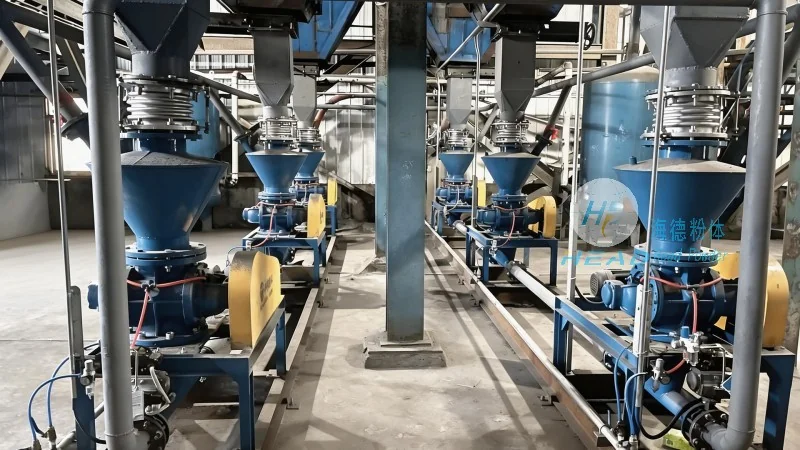
Overview of Electric Lime Pneumatic Conveying Systems
Electric lime, also known as quicklime or calcium oxide, is a widely used industrial material in sectors like construction, chemical manufacturing, and environmental treatment. The efficient transport of electric lime from storage to processing units is crucial for maintaining production continuity and minimizing downtime. Pneumatic conveying systems offer a solution by utilizing air pressure to move the material through pipelines, eliminating the need for mechanical components like belts or buckets that can cause wear and maintenance issues.
Working Principle of Electric Lime Pneumatic Conveying Lines
The core working principle of an electric lime pneumatic conveying line involves the generation of airflow within a sealed pipeline system. The process typically starts with the material being fed into a hopper or feeder, where it is then drawn into a conveying line by the moving air stream. The air, often supplied by a blower or compressor, creates a pressure differential that propels the electric lime particles forward. Key components in this system include the feeding device, conveying pipeline, air separation unit, and discharge equipment. The feeding device ensures a consistent flow of electric lime into the system, while the pipeline transports the material to the destination. The air separation unit, such as a cyclone or filter, separates the air from the material, allowing the electric lime to be collected at the end of the line. This separation process is vital for maintaining air quality and preventing dust contamination in the surrounding environment.
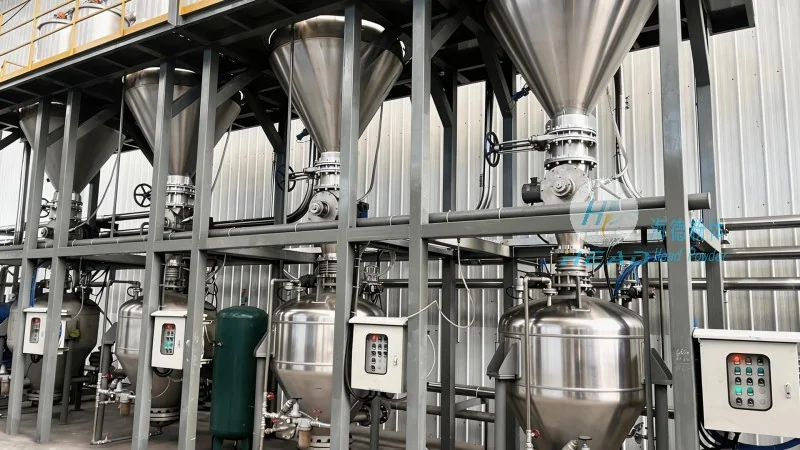
Key Features of Electric Lime Pneumatic Conveying Systems
Electric lime pneumatic conveying systems are designed with several distinct features that enhance their performance and adaptability. One of the primary advantages is the ability to handle abrasive materials like electric lime without significant wear on the conveying components. The system's design minimizes direct contact between the material and the pipeline, reducing the risk of corrosion or damage. Additionally, the pneumatic conveying method allows for flexible layout configurations, as the pipelines can be installed in various orientations to suit the plant layout. This flexibility is particularly beneficial in facilities with limited space or complex operational requirements. Another notable feature is the system's ability to maintain a consistent material flow rate, which is crucial for maintaining production stability. The control mechanisms, such as variable speed drives and pressure sensors, enable operators to adjust the conveying speed based on the material characteristics and system requirements. This adaptability ensures that the system can handle different types of electric lime, including varying particle sizes and moisture content, without compromising performance.
Technical Specifications and Performance Parameters
When evaluating electric lime pneumatic conveying systems, several technical specifications and performance parameters are critical for ensuring optimal operation. The system's capacity, typically measured in tons per hour, determines the amount of electric lime that can be transported. This capacity is influenced by factors such as the blower's air volume and pressure, the pipeline diameter, and the material's bulk density. The pressure drop across the system is another important parameter, as it indicates the energy efficiency of the conveying process. A lower pressure drop means less energy consumption, leading to reduced operational costs. The system's efficiency is also affected by the air separation efficiency, which is determined by the design of the cyclone or filter. High separation efficiency ensures that minimal material is lost with the exhaust air, improving overall material recovery rates. Furthermore, the system's durability and maintenance requirements are key considerations. Materials like stainless steel or special coatings are often used for the pipeline and components to withstand the abrasive nature of electric lime. Regular maintenance, including cleaning the air separation unit and checking the blower performance, is essential to maintain the system's efficiency and longevity.

Applications and Industries Using Electric Lime Pneumatic Conveying Lines
Electric lime pneumatic conveying systems are widely used in various industries that rely on the efficient handling of electric lime. In the construction industry, these systems are employed in the production of cement and concrete, where electric lime is used as a key raw material. The ability to transport electric lime directly from storage to the mixing plant ensures a continuous supply of material, which is critical for maintaining production schedules. In the chemical manufacturing sector, electric lime is used in processes such as water treatment and flue gas desulfurization. The pneumatic conveying system allows for the safe and efficient transport of electric lime to these processes, reducing the risk of dust exposure and improving operational safety. Environmental treatment facilities also utilize electric lime for neutralizing acidic waste and controlling odors. The system's ability to handle large volumes of electric lime at a consistent rate makes it ideal for these applications, ensuring that the treatment processes run smoothly. Additionally, in the food and pharmaceutical industries, where electric lime is used as a processing aid or additive, the pneumatic conveying system provides a hygienic and dust-free method of material transport, meeting stringent quality and safety standards.
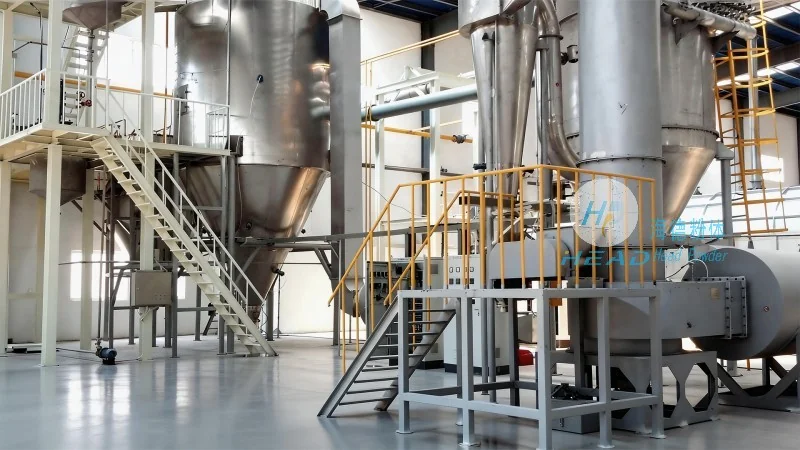
Advantages of Electric Lime Pneumatic Conveying Systems
Compared to traditional material handling methods, electric lime pneumatic conveying systems offer several advantages that make them a preferred choice in many industrial applications. One of the most significant advantages is the reduction in labor costs and manual handling. The automated system eliminates the need for workers to manually load and unload electric lime, reducing the risk of accidents and improving workplace safety. Additionally, the system's ability to operate continuously without frequent maintenance interruptions minimizes production downtime. This reliability is crucial for maintaining production efficiency and meeting customer demands. Another advantage is the improved material quality and consistency. The pneumatic conveying process ensures that the electric lime is transported without segregation or degradation, maintaining its chemical properties. This is particularly important in applications where the quality of the electric lime directly impacts the final product. Furthermore, the system's flexibility allows for easy integration with existing industrial processes. The modular design of the system enables it to be customized to fit the specific requirements of the plant, making it a versatile solution for various material handling needs.
Challenges and Mitigation Strategies
While electric lime pneumatic conveying systems offer numerous benefits, they also present some challenges that need to be addressed to ensure optimal performance. One of the primary challenges is the potential for material buildup or blockages in the pipeline, especially with high moisture content or fine particles. To mitigate this, the system is equipped with cleaning mechanisms, such as air knives or vibration devices, that can clear the pipeline when needed. Another challenge is the maintenance of the air separation unit, as it can become clogged with dust and material over time. Regular cleaning and inspection of the unit are essential to maintain its efficiency. Additionally, the system's energy consumption can be high, especially when operating at high pressure or with large volumes of material. To address this, energy-efficient blowers and variable speed drives are used to optimize the system's performance. Furthermore, the system's design must consider the environmental impact, as the exhaust air may contain dust particles. Proper filtration and ventilation systems are implemented to minimize the environmental impact and ensure compliance with regulations.