

Working Principle and Features of Sodium Chloride Pneumatic Conveying Systems
For industrial applications involving the handling of sodium chloride, efficient and reliable material transport is crucial. The sodium chloride pneumatic conveying system offers a sophisticated solution that combines technology with practicality to meet these demands. This article delves into the working principle and key features of such systems, providing insights into how they operate and the advantages they bring to material handling processes.
Introduction to Sodium Chloride Pneumatic Conveying Systems
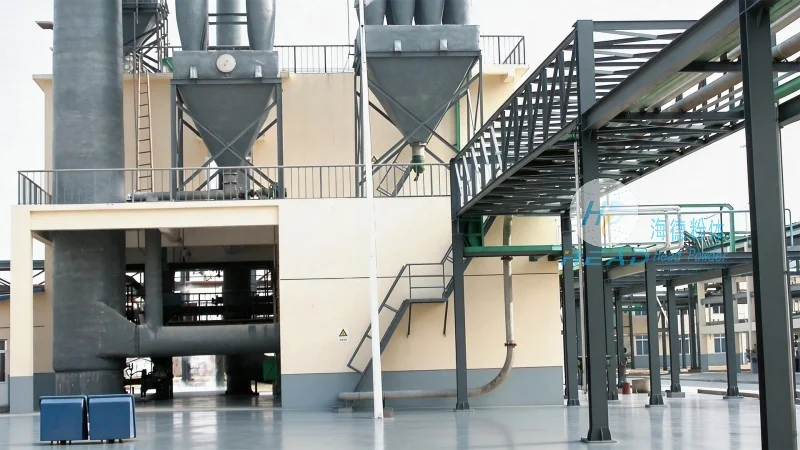
Sodium chloride, commonly known as table salt, is widely used in various industries, including food processing, chemical manufacturing, and pharmaceuticals. Handling this material requires systems that can transport it safely, efficiently, and with minimal loss. Pneumatic conveying systems have emerged as a preferred method for moving sodium chloride due to their ability to handle fine powders and granules with precision. These systems utilize air or other gases to transport the material through a pipeline, eliminating the need for mechanical components that might cause contamination or wear.
Working Principle of Sodium Chloride Pneumatic Conveying Lines
The core mechanism of a sodium chloride pneumatic conveying line involves the use of a blower or compressor to generate airflow within a sealed pipeline. The system typically consists of a hopper where the sodium chloride is stored, a feeder that controls the material flow into the pipeline, and a series of pipes that guide the material to its destination. As the air is introduced into the pipeline, it creates a low-pressure zone that draws the sodium chloride particles into the flow. The material is then carried along the pipeline by the moving air, which can be either in a dilute phase (where particles are suspended in the air) or a dense phase (where particles are more closely packed). The choice between these phases depends on the specific requirements of the application, such as the distance to be covered and the material's characteristics.
Key Features of Sodium Chloride Pneumatic Conveying Systems
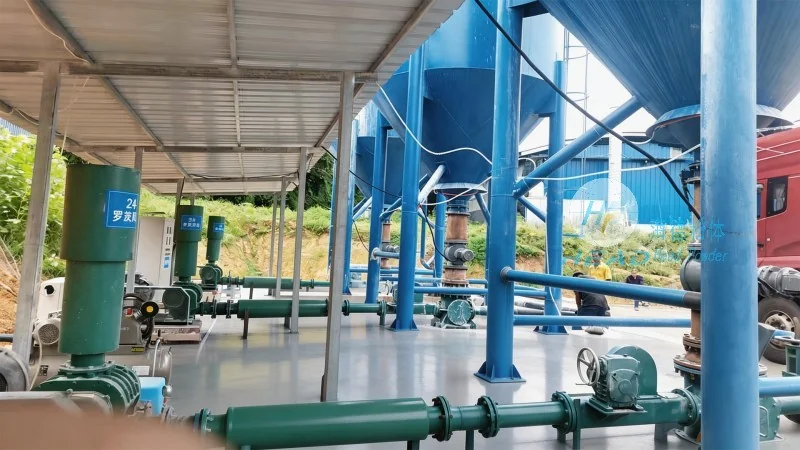
Several notable features make sodium chloride pneumatic conveying systems ideal for industrial use. Firstly, they offer a dust-free and hygienic method of material transport, which is essential in food and pharmaceutical industries where contamination must be strictly avoided. The enclosed pipeline system prevents the release of fine particles into the environment, ensuring compliance with environmental regulations. Secondly, these systems are highly flexible and can be easily integrated into existing production lines. They can transport sodium chloride over long distances without the need for multiple transfer points, reducing the risk of material degradation or loss. Thirdly, the systems are energy-efficient compared to traditional mechanical conveyors, as they utilize air pressure rather than mechanical components to move the material. This results in lower operational costs and reduced maintenance requirements.
Advantages of Using Pneumatic Conveying for Sodium Chloride
Implementing a pneumatic conveying system for sodium chloride offers numerous benefits. One of the primary advantages is the ability to handle sensitive materials without causing breakage or degradation. The gentle transport method ensures that the granules remain intact, preserving their quality and reducing the need for reprocessing. Additionally, the system's ability to operate in both dilute and dense phases provides versatility, allowing it to be adapted to various production needs. This adaptability makes it suitable for both small-scale and large-scale operations, from laboratory settings to industrial manufacturing plants. Furthermore, the enclosed design of the system enhances safety by preventing dust explosions, a critical consideration in facilities handling combustible materials like sodium chloride.
Application Scenarios and Considerations
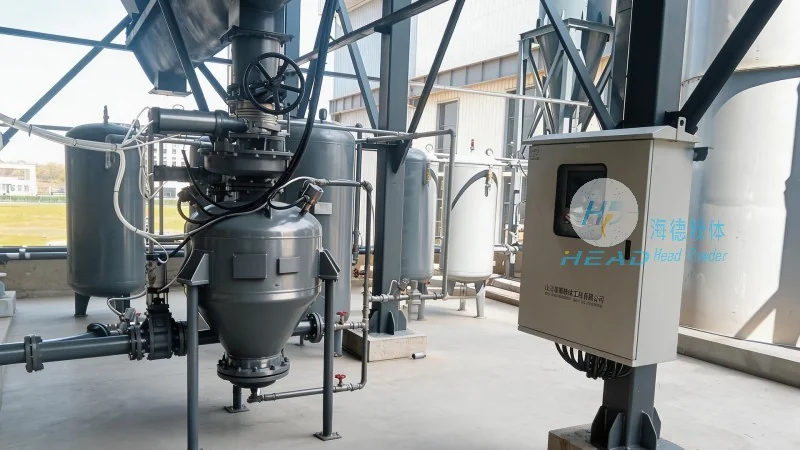
Sodium chloride pneumatic conveying systems are commonly used in applications such as bulk material handling in chemical plants, food processing facilities, and pharmaceutical manufacturing. In these settings, the system is often integrated with other equipment, such as mixers, classifiers, and packaging machines, to form a complete production line. When selecting a pneumatic conveying system for sodium chloride, several factors must be considered. The distance and elevation changes between the source and destination are key considerations, as they affect the required air pressure and blower capacity. The material's flow properties, including its density, moisture content, and particle size distribution, also play a significant role in determining the system's design. Additionally, the system's capacity and speed must align with the production rate to ensure smooth operation and avoid bottlenecks.
Conclusion and Company Overview
In conclusion, sodium chloride pneumatic conveying systems represent an advanced and efficient solution for material handling in various industries. Their working principle, which relies on air pressure to transport the material, offers numerous advantages, including dust-free operation, flexibility, and energy efficiency. These features make them a preferred choice for applications where hygiene, safety, and reliability are paramount. As a leading provider in this field, Shandong HeadPowder Engineering Co., Ltd. specializes in designing and manufacturing customized pneumatic conveying systems tailored to the specific needs of clients. With a focus on quality and innovation, the company ensures that its systems meet the highest standards of performance and durability, providing long-term value to its customers. Based in Shandong, China, HeadPowder Engineering Co., Ltd. leverages its expertise to deliver solutions that enhance operational efficiency and productivity in the handling of sodium chloride and other bulk materials.