For manufacturers and processors in the malt industry, efficient and reliable handling of malt powder is crucial to maintaining production efficiency and product quality. The malt powder conveying line, as a specialized system designed for this purpose, plays a vital role in the entire production process. This article will delve into the working principle and key features of malt powder conveying lines, providing a comprehensive understanding of this essential equipment.
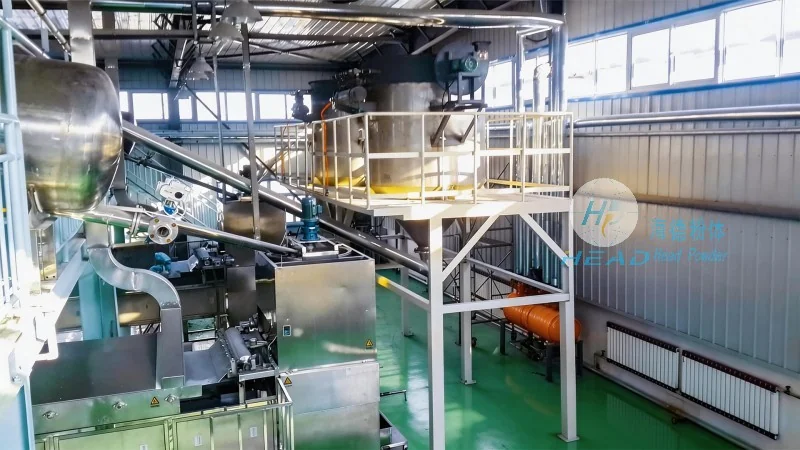
The malt powder conveying line is a sophisticated system engineered to transport malt powder from storage silos or processing units to various production stages, such as mixing, packaging, or further processing. As a core component in malt production facilities, this line ensures smooth material flow, minimizes downtime, and enhances overall operational safety. The design and functionality of these systems are tailored to meet the unique challenges posed by malt powder, including its fine particle size, hygroscopic nature, and potential for dust generation.
The operation of a malt powder conveying line typically involves several key components and processes. The system generally starts with the storage of malt powder in bulk silos or hoppers. From there, the powder is fed into a conveyor system, which may include screw conveyors, pneumatic conveyors, or a combination of both, depending on the specific requirements of the facility. The working principle can be broken down into the following stages:
Malt powder conveying lines are designed with several key features that enhance their performance and reliability. These features are critical for ensuring efficient operation and maintaining the quality of the malt powder throughout the conveying process.
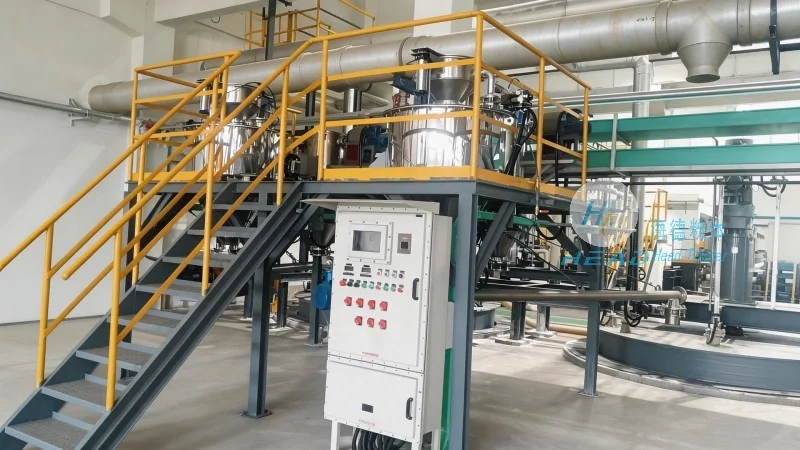
Malt powder conveying lines are widely used in various stages of malt production, from raw material handling to final product packaging. The benefits of using these systems extend beyond just efficient material transport, contributing to overall operational excellence.
For instance, in the brewing industry, malt powder is a key ingredient in beer production. The conveying line ensures that the malt is delivered to the mashing tanks in a controlled manner, which is essential for achieving consistent mash quality. In the food and beverage industry, malt powder is used in a variety of products, and the conveying line helps maintain the purity and quality of the powder throughout the processing chain.
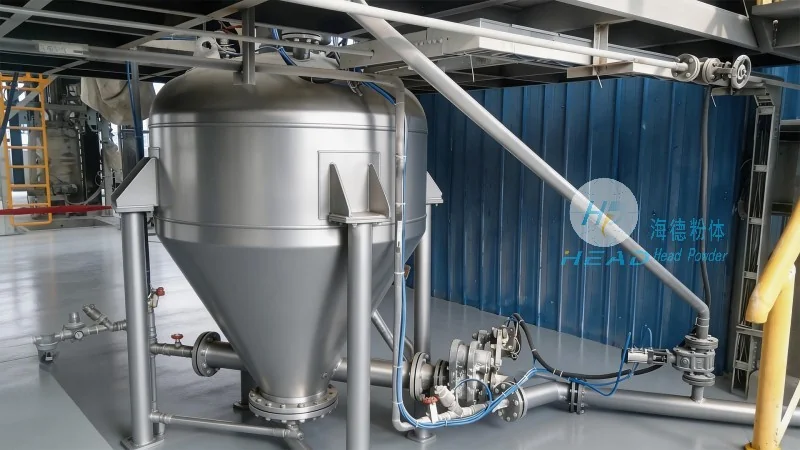
Another significant benefit is the reduction of labor costs and operational errors. Automated conveying systems reduce the need for manual handling, which not only improves safety but also minimizes the risk of contamination or product loss. Additionally, the consistent flow of material ensures that production processes run smoothly, leading to higher throughput and better product consistency.
Malt powder conveying lines are indispensable components in modern malt production facilities, combining advanced technology with robust design to meet the demanding requirements of the industry. By understanding the working principle and key features of these systems, manufacturers can make informed decisions about their equipment choices, ultimately enhancing their operational efficiency and product quality.
Shandong HeadPowder Engineering Co., Ltd., a leading provider of malt processing equipment, specializes in designing and manufacturing high-quality malt powder conveying lines. With years of experience and a commitment to innovation, HeadPowder delivers solutions tailored to the unique needs of malt producers. The company's headquarters is located in Shandong, China, and it serves clients worldwide with reliable and efficient equipment that meets international standards.

 Shandong Headpowder Engineering Co., Ltd.
 156-6277-7102(Manager Zhang)
  0531-83386006
  Jinan City, Shandong Province, China
telephone
WeChatconsult
top