

Working Principle and Features of Refractory Material Handling Equipment
Refractory material handling equipment is essential in industrial settings where high-temperature and abrasive materials are processed. The efficient transportation of these materials directly impacts production efficiency and operational safety. This article delves into the working principles and key features of such equipment, highlighting how they optimize material handling in demanding environments.
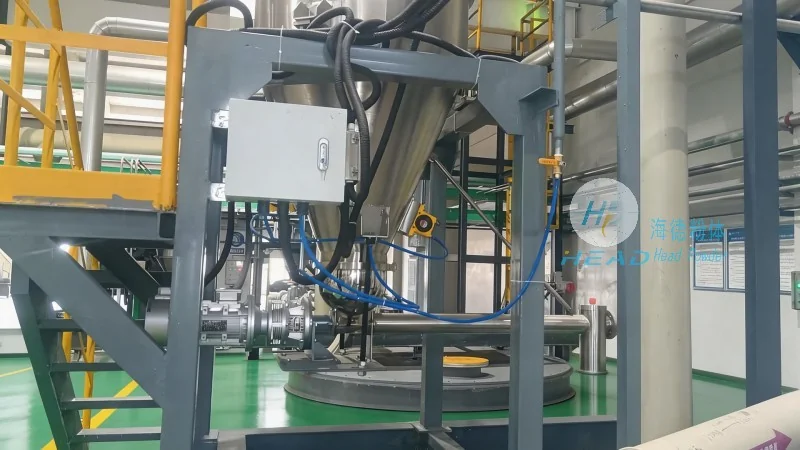
Exploring the Working Principles of Refractory Material Handling Equipment
The working principles of refractory material handling equipment vary based on the specific type of machinery used. Common systems include screw conveyors, belt conveyors, and bucket elevators, each engineered to handle different characteristics of refractory materials. For example, screw conveyors utilize a rotating screw mechanism to move materials along a trough. As the screw rotates, it pushes the material forward, ensuring consistent and controlled transport. This mechanism is particularly effective for handling dry, free-flowing materials like refractory powders and granules.
Belt conveyors operate on a continuous belt system driven by a motor. The material is placed on the belt surface, which then transports it from one location to another. This method is ideal for transporting bulk quantities of refractory materials over longer distances and is widely used in large-scale industrial applications. The design of the belt conveyor, including the type of belt material and tension system, is critical to ensure durability and efficient operation in high-temperature environments.
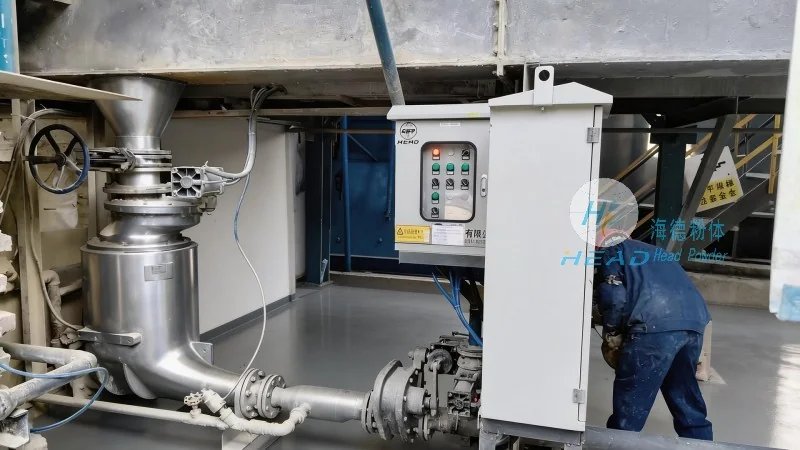
Bucket elevators function on a vertical or inclined plane, using a series of buckets attached to a chain or belt. These buckets lift materials from a lower to a higher level. The buckets are filled at the bottom and discharged at the top as they rotate. This method is especially effective for handling heavy or cohesive materials, such as certain refractory mixes. The design of the bucket elevator, including bucket speed and inclination angle, is optimized to minimize material degradation and ensure efficient transport.
Key Features of Refractory Material Handling Equipment
Refractory material handling equipment incorporates several key features to enhance performance and longevity. One of the most important aspects is the construction material. Equipment used in high-temperature environments, like those in the ceramics and steel industries, is typically made from corrosion-resistant and heat-resistant materials such as stainless steel, alloy steel, or specialized ceramics. These materials ensure the equipment can withstand harsh conditions and maintain structural integrity over time.
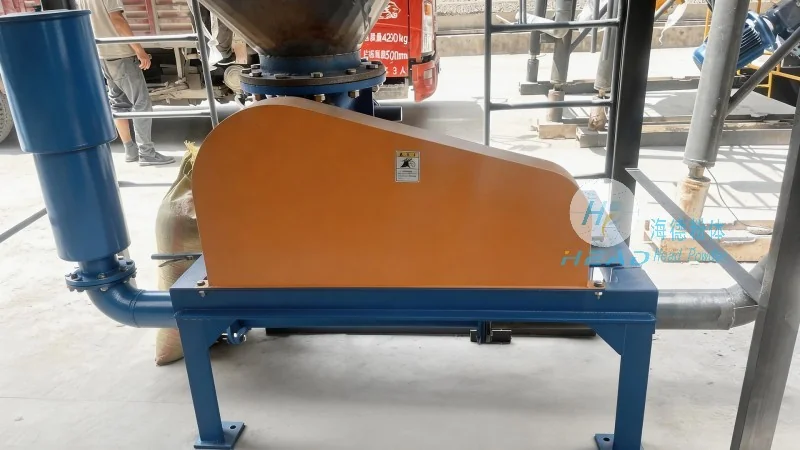
Another critical feature is material compatibility. Refractory materials can be abrasive, corrosive, or have unique flow characteristics. Manufacturers, including Shandong HeadPowder Engineering Co., Ltd., design their systems to accommodate these properties. For instance, some conveyors may feature special coatings or liners to prevent wear from abrasive materials. Others may include adjustable speed controls to manage material flow, ensuring efficient operation without damaging the materials or machinery.
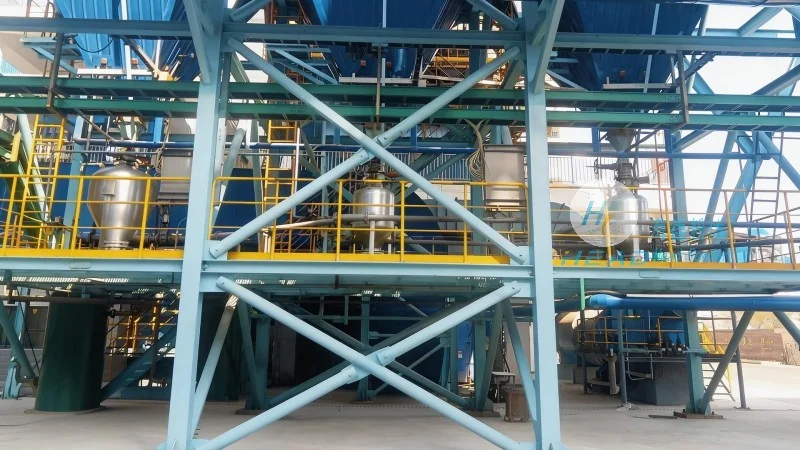
Efficiency and reliability are also paramount. Modern refractory material handling equipment is equipped with advanced control systems for precise monitoring and adjustment of the transport process. These systems may include sensors to detect material levels, temperature, and flow rates, ensuring optimal operation and reducing downtime. Additionally, equipment design often includes features to minimize material spillage and contamination, which is crucial for maintaining product quality and safety standards.
Conclusion
In summary, refractory material handling equipment is a vital component of industrial operations, enabling the efficient and safe transport of high-temperature, abrasive materials. The working principles of these systems—ranging from screw and belt mechanisms to bucket elevators—are tailored to the specific characteristics of refractory materials. Key features such as durable construction, material compatibility, and advanced control systems ensure reliable and efficient performance. Companies like Shandong HeadPowder Engineering Co., Ltd., based in Shandong, China, specialize in designing and manufacturing such equipment, providing industrial facilities with the tools needed to maintain productivity and safety in demanding environments.