

Working Principle and Features of Lightweight Calcium Carbonate Material Conveying Lines
Lightweight calcium carbonate (LCC) is a widely used industrial material, and the efficient transportation of LCC from production sites to processing facilities or end-users is crucial for maintaining production efficiency and product quality. The material conveying line for LCC plays a vital role in this process, ensuring that the material is transported safely, reliably, and in compliance with industrial standards. This article will explore the working principle and key features of such a system, providing insights into how it operates and the advantages it offers to industrial applications.
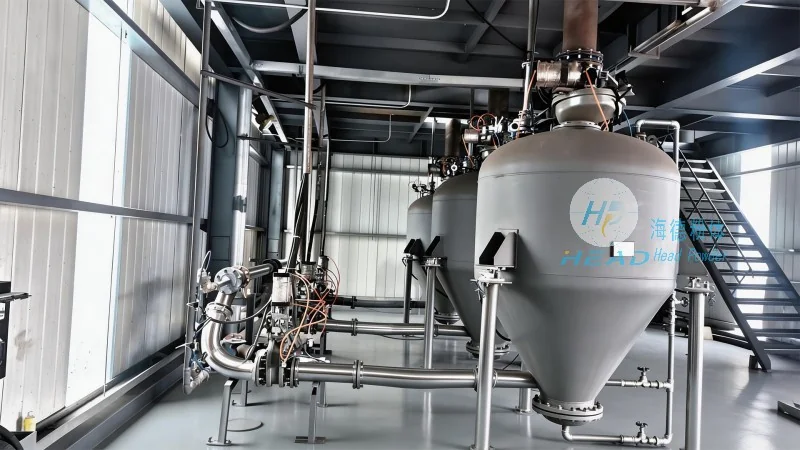
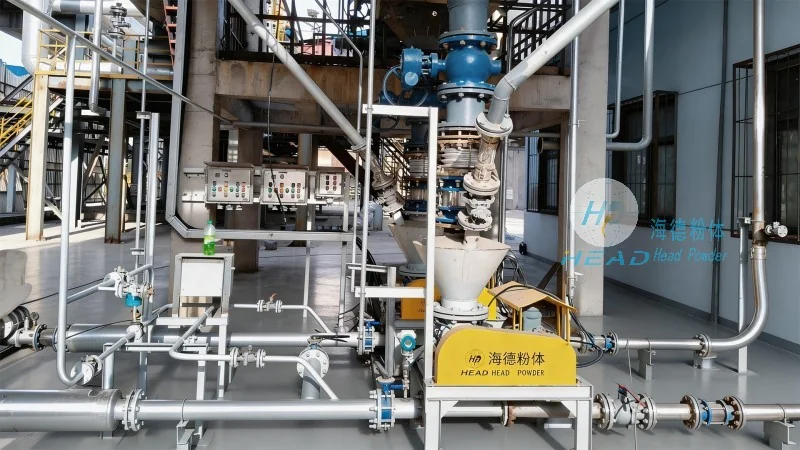
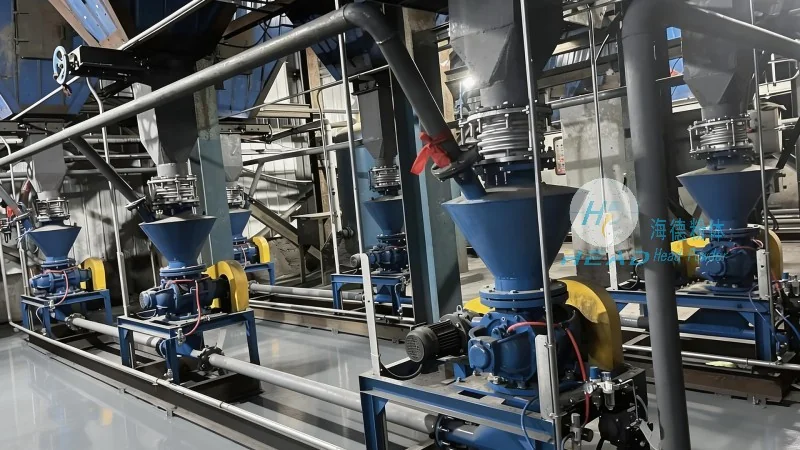
Working Principle of the Lightweight Calcium Carbonate Material Conveying Line
The core working principle of a lightweight calcium carbonate material conveying line involves several integrated components working in tandem to achieve the transportation of the material. The process typically begins with the material being fed into a hopper or storage silo. From there, the material is transferred to a conveyor system, which may include screw conveyors, belt conveyors, or pneumatic conveying systems, depending on the specific requirements of the application. The conveyor system ensures that the LCC is moved from the storage area to the processing or packaging equipment. The entire system is often equipped with sensors and control mechanisms to monitor the flow rate, pressure, and other critical parameters, allowing for real-time adjustments to maintain optimal performance. Additionally, the conveying line may incorporate dust collection and filtration systems to ensure environmental compliance and maintain a clean working environment. The integration of these components ensures a seamless and efficient operation, minimizing downtime and maximizing productivity.
Key Features of the Lightweight Calcium Carbonate Material Conveying Line
The lightweight calcium carbonate material conveying line is designed with several key features that enhance its performance and reliability. One of the primary features is its ability to handle fine powders, which is essential for LCC due to its granular nature. The system is engineered to prevent material buildup and blockages, which can occur in traditional conveying methods. This is achieved through the use of specialized materials for the conveyor components, such as food-grade or industrial-grade plastics, and the incorporation of anti-static features to prevent powder accumulation. Another critical feature is the system's adaptability, allowing it to be customized to accommodate different production volumes and material characteristics. This flexibility ensures that the conveying line can be scaled up or down as needed, making it suitable for both small-scale and large-scale industrial operations. Furthermore, the system is designed for low maintenance, with easy access to components for inspection and replacement, reducing operational costs and increasing the overall lifespan of the equipment. The integration of advanced control systems also provides operators with real-time data and alerts, enabling proactive maintenance and troubleshooting. These features collectively contribute to a robust and efficient material handling solution for LCC, meeting the demands of modern industrial applications.