

Working Principle and Characteristics of Dilute Phase Pneumatic Conveying Systems for Bulk Materials
HeadPowder, a leading engineering company based in Shandong, China, specializes in the design, manufacturing, and installation of advanced pneumatic conveying systems. This article provides an in-depth exploration of the working principle and key characteristics of dilute phase pneumatic conveying systems, which are widely used for the efficient transport of bulk materials in various industrial applications.
Company Overview
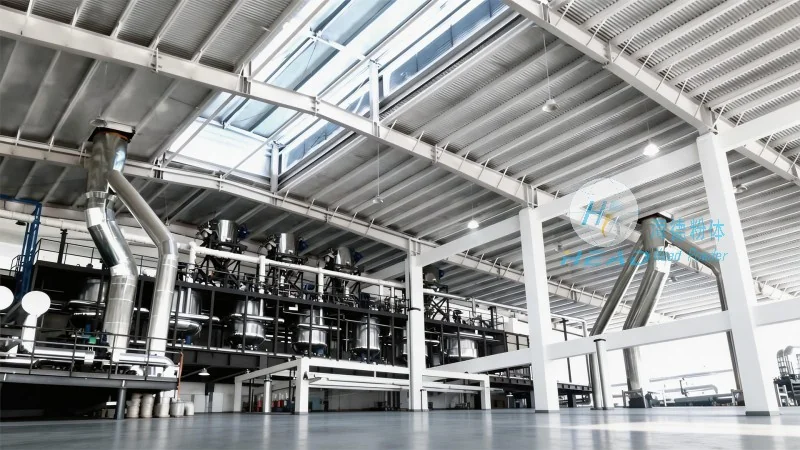
Shandong HeadPowder Engineering Co., Ltd., commonly known as HeadPowder, is a professional manufacturer and supplier of pneumatic conveying equipment. With a strong focus on innovation and quality, the company has established itself as a trusted partner in the bulk material handling industry. HeadPowder's headquarters is located in Shandong, China, where the company leverages its expertise to develop customized solutions tailored to the specific needs of clients across different sectors.
Working Principle of Dilute Phase Pneumatic Conveying Systems
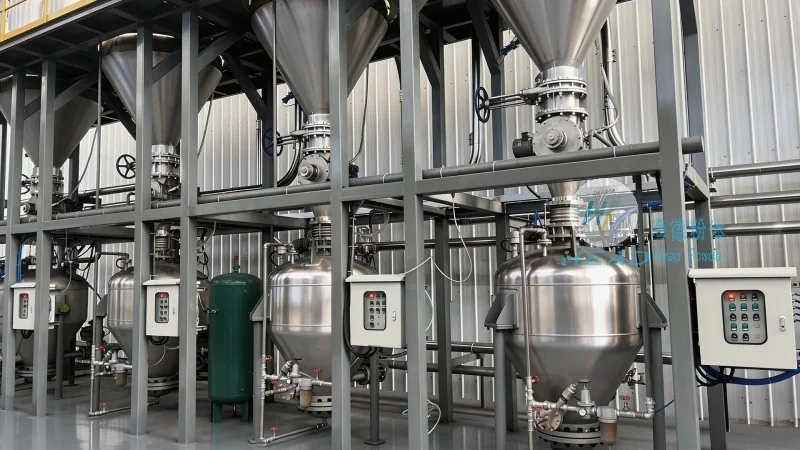
Dilute phase pneumatic conveying systems operate by transporting bulk materials in a dilute state, where the material particles are suspended in a stream of air or gas. The core working principle involves the use of a positive pressure or negative pressure system to move the material through a pipeline. In a positive pressure system, air is blown into the material, creating a mixture that is then propelled through the pipeline. Conversely, a negative pressure system draws the material and air mixture into the pipeline using a vacuum source. The system typically includes a hopper for material storage, a feeder to control the flow rate, a conveying line, and a receiver for the discharged material. The air velocity in the pipeline is maintained at a level sufficient to keep the material particles suspended, preventing them from settling or clogging the line.
Key Characteristics of Dilute Phase Pneumatic Conveying Systems
Dilute phase pneumatic conveying systems are characterized by several distinct features that make them suitable for a wide range of applications. Firstly, they offer a high degree of flexibility in material handling, as they can transport a variety of bulk materials, including powders, granules, and fine particles. The system's ability to handle different material types without the need for extensive modifications makes it a versatile solution. Secondly, dilute phase systems are known for their efficiency in terms of energy consumption and operational costs. By maintaining a consistent air velocity and flow rate, the system minimizes energy waste and reduces the risk of material degradation. Thirdly, these systems provide a clean and hygienic method of material transport, as the material is enclosed within the pipeline, preventing contamination from external sources. This feature is particularly important in industries such as food, pharmaceuticals, and chemicals, where product purity is critical. Additionally, dilute phase systems offer a compact design, which allows for easy integration into existing facilities and reduces the overall footprint of the installation.
Advantages and Applications
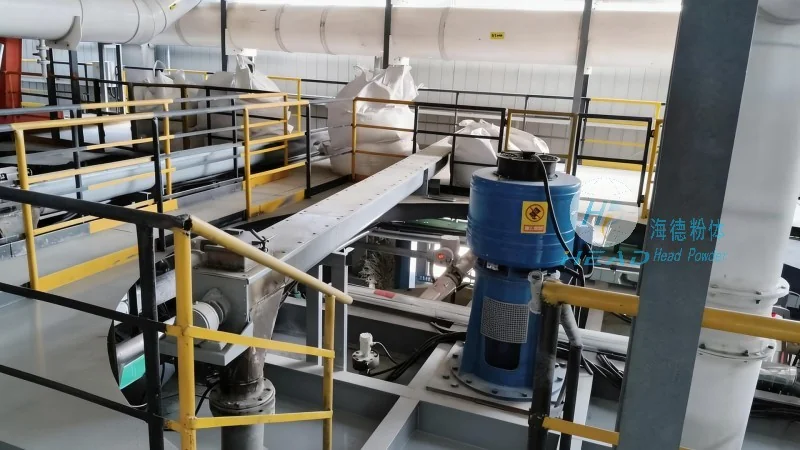
The advantages of dilute phase pneumatic conveying systems extend to their ability to handle long-distance transport with minimal pressure drops. This makes them ideal for applications requiring the movement of materials over significant distances, such as in mining, cement production, and chemical processing. The system's ability to operate in both positive and negative pressure modes provides flexibility in system design, allowing for customized solutions that meet specific operational requirements. Furthermore, dilute phase systems are relatively simple to maintain and repair, as the components are fewer compared to dense phase systems. This reduces downtime and maintenance costs, contributing to the overall cost-effectiveness of the system. In summary, dilute phase pneumatic conveying systems offer a reliable and efficient method for bulk material transport, making them a preferred choice in industries where material handling efficiency and product quality are paramount.