

Working Principle and Features of Straw Powder Material Pneumatic Conveying System
Straw powder material pneumatic conveying systems represent a critical technology in the modern agricultural and industrial sectors, particularly for the efficient handling and transportation of biomass materials. These systems are designed to transport straw powder through a pipeline using air pressure, offering a solution that minimizes material degradation and ensures consistent flow rates. The following article explores the working principle and key features of such systems, providing insights into their application and benefits.
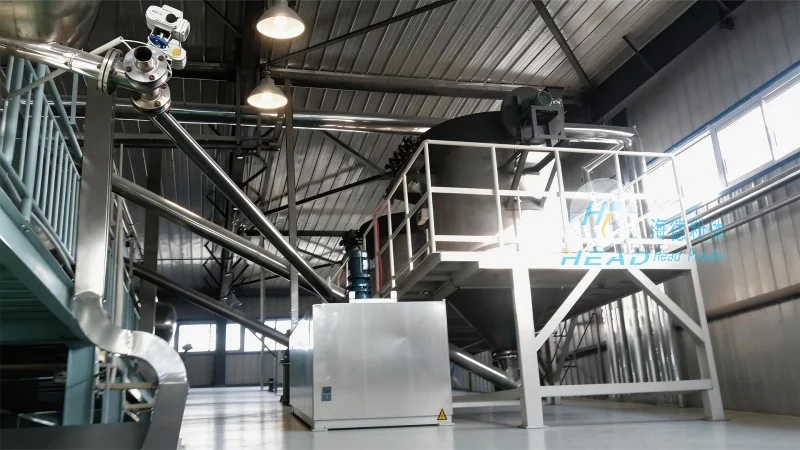
Understanding the Working Principle of Straw Powder Pneumatic Conveying Systems
The core mechanism of a straw powder pneumatic conveying system involves the use of compressed air to move the material through a sealed pipeline. The process typically begins with the feeding of straw powder into a hopper or feeder, where it is then introduced into the conveying line. As the air is introduced into the pipeline, it creates a flow that propels the powder particles forward. The system utilizes either positive pressure (where air is blown into the line) or negative pressure (where air is drawn out), depending on the specific design and operational requirements. The air velocity within the pipeline is carefully controlled to ensure that the powder particles are carried without settling or clogging the system. This controlled air flow is essential for maintaining the integrity of the straw powder, preventing clumping or agglomeration that could occur with traditional mechanical conveying methods.
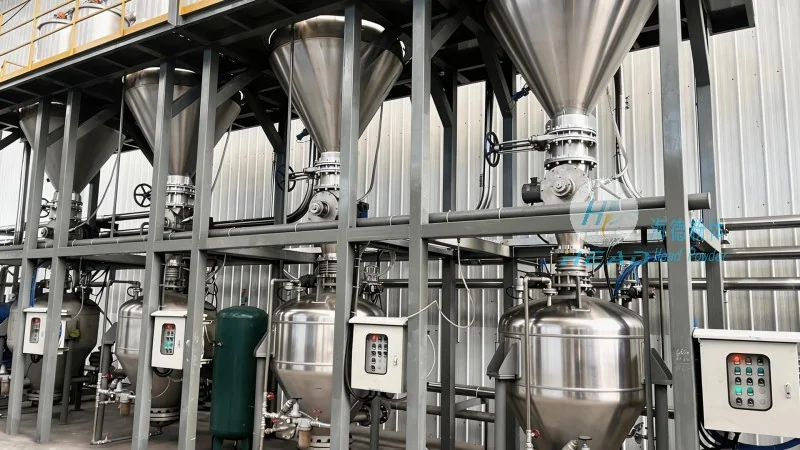
Key Features of Straw Powder Pneumatic Conveying Systems
Straw powder pneumatic conveying systems offer several distinct advantages that make them suitable for various industrial applications. One of the primary features is their ability to handle fine, dry materials like straw powder without the need for additional processing or conditioning. The sealed pipeline design minimizes dust emissions and environmental contamination, aligning with modern sustainability standards. Additionally, these systems provide high efficiency in material transport, often achieving longer conveying distances with less energy consumption compared to traditional methods. The modular design of the system allows for easy integration into existing production lines, and the components are typically made from corrosion-resistant materials to ensure durability in agricultural and industrial environments. Another notable feature is the system's adaptability to varying material properties, as it can be adjusted to handle different particle sizes and moisture content of straw powder. This flexibility makes it a versatile solution for different processing stages, from raw material collection to final product distribution.
Application and Benefits in Agricultural and Industrial Contexts
The application of straw powder pneumatic conveying systems is widespread across both agricultural and industrial sectors. In agriculture, these systems are commonly used for the collection and transport of straw from fields to processing facilities, where it can be converted into biofuels, animal feed, or other value-added products. The efficiency of the system ensures that the straw powder is transported in a clean and hygienic manner, preserving its quality for further processing. In industrial settings, such as biomass power plants or biogas facilities, the system plays a crucial role in feeding raw materials into processing equipment. The consistent flow provided by the pneumatic system enhances the efficiency of downstream processes, such as combustion or fermentation, leading to improved overall productivity. Furthermore, the reduced labor costs associated with manual handling of straw powder, combined with the system's low maintenance requirements, contribute to significant operational savings for businesses. The environmental benefits of using pneumatic conveying systems are also significant, as they reduce the need for trucks or other vehicles for material transport, thereby lowering carbon emissions and minimizing the impact on local ecosystems.
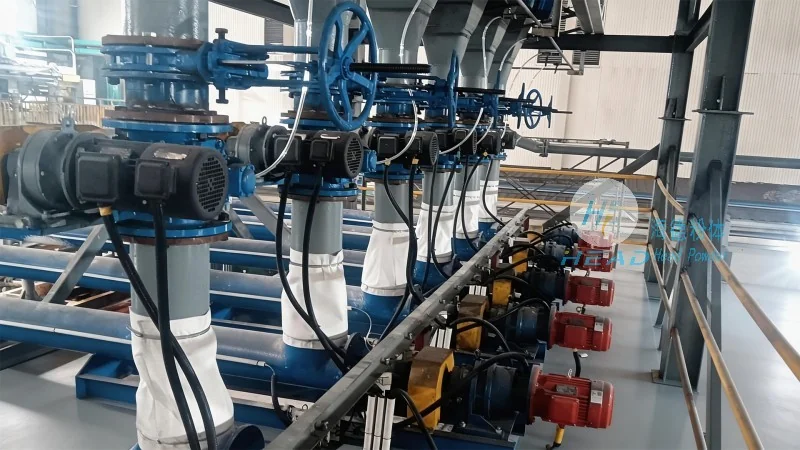
Conclusion and Company Overview
Straw powder material pneumatic conveying systems are a sophisticated and efficient solution for the transportation of biomass materials, offering numerous advantages over traditional conveying methods. The working principle, which relies on compressed air to move the material through a sealed pipeline, ensures minimal material degradation and consistent flow rates. Key features include the ability to handle fine materials, reduced dust emissions, high efficiency, and adaptability to varying conditions. These systems find wide application in both agricultural and industrial sectors, contributing to increased productivity and sustainability. As a leading provider in this field, Shandong HeadPowder Engineering Co., Ltd. specializes in designing and manufacturing customized pneumatic conveying solutions tailored to the specific needs of clients. With a focus on quality and innovation, the company has established itself as a trusted partner in the biomass processing industry, helping businesses optimize their material handling processes and achieve operational excellence.