

Principle and Working Scene Characteristics of PUR Pneumatic Conveying
Shandong HeadPowder Engineering Co., Ltd., a leading manufacturer based in Shandong, China, specializes in the design and production of advanced pneumatic conveying systems for various industrial applications. The company's expertise lies in developing customized solutions for handling polyurethane resin powders, leveraging the principles of PUR pneumatic conveying to meet the diverse needs of different industries. Understanding the underlying principles and typical working scenarios of PUR pneumatic conveying is crucial for industries that rely on the consistent and reliable transport of polyurethane materials.
Principle of PUR Pneumatic Conveying
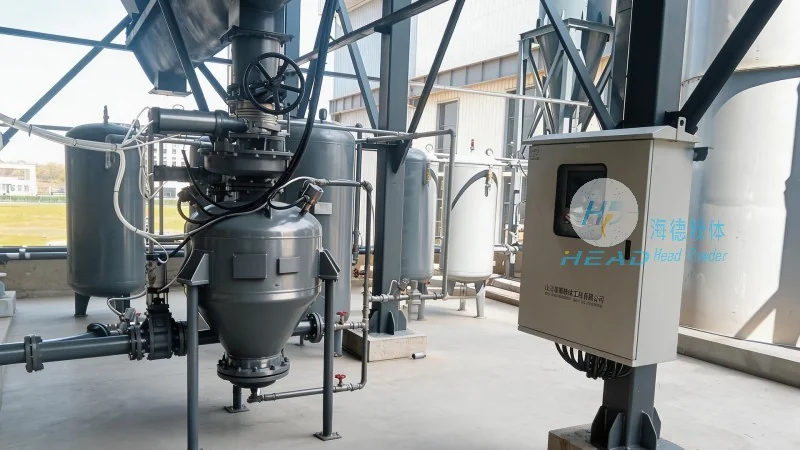
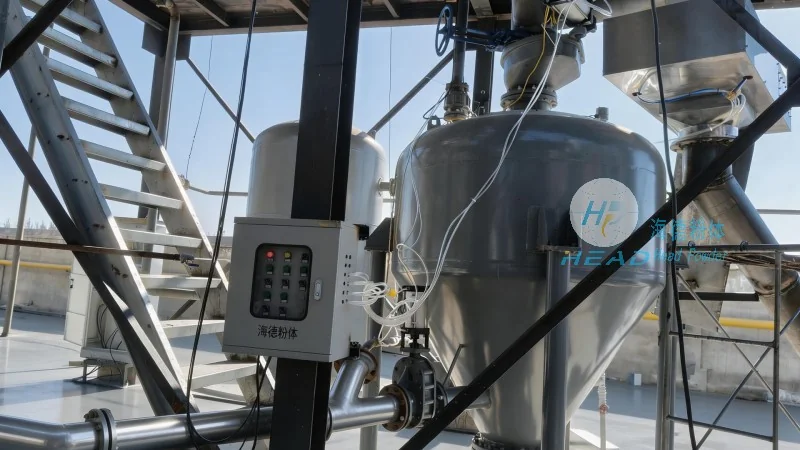
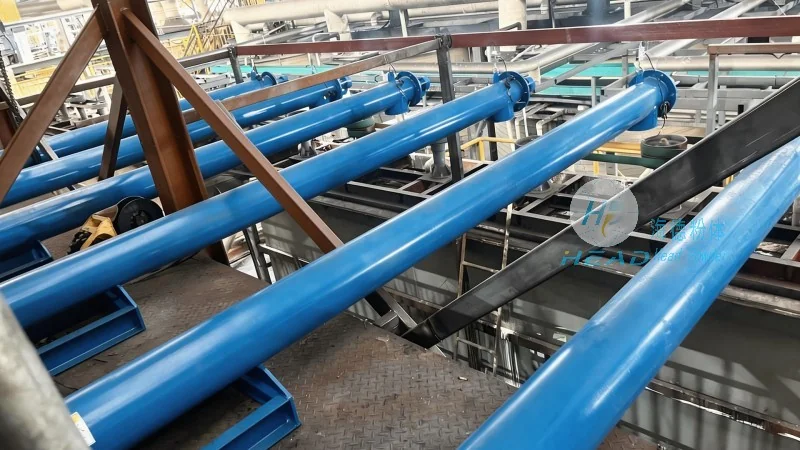
The core principle of PUR pneumatic conveying involves the use of compressed air to create a flow that propels the resin particles through a closed system. Unlike traditional mechanical conveying methods, which rely on screws or belts, pneumatic systems utilize air pressure to move materials, minimizing friction and preventing contamination. In a typical PUR pneumatic conveying setup, a blower or compressor generates high-pressure air, which is then introduced into a hopper containing the resin powder. The air flow creates a negative pressure or positive pressure environment, depending on the system design, to draw or push the particles into the pipeline. The velocity of the air is carefully controlled to ensure that the particles are suspended in the air stream without settling or clogging the system. This suspension is achieved by maintaining a specific air-to-material ratio, which varies based on the particle size, density, and moisture content of the PUR resin. The system typically includes components such as a feeder, a pipeline network, a filter, and a receiver, all working in tandem to ensure efficient material transport. The feeder controls the flow rate of the resin into the system, while the pipeline transports the material to the desired location. The filter removes any fine particles or dust from the air stream, preventing contamination of downstream processes or equipment. The receiver collects the conveyed material, completing the transport cycle. The entire process is governed by principles of fluid dynamics and particle mechanics, ensuring that the PUR resin is moved safely and effectively.
Working Scene Characteristics of PUR Pneumatic Conveying
PUR pneumatic conveying systems are widely used in various industrial applications due to their adaptability and efficiency. The working scene characteristics of these systems are tailored to meet the specific needs of different industries, ensuring optimal performance and reliability. In the chemical industry, for example, PUR pneumatic conveying is commonly employed in the production of polyurethane foams and coatings. The systems are designed to handle high-purity resin powders, which require minimal contamination and precise control over the transport process. The working environment in such scenarios is often characterized by strict quality standards and the need for dust-free operations, making pneumatic conveying an ideal solution. The systems are typically integrated into larger production lines, where the conveyed PUR resin is used as a raw material for subsequent processing steps. In the food and beverage industry, PUR pneumatic conveying is used for transporting food-grade polyurethane powders, such as those used in packaging or processing equipment. The working scene in this industry emphasizes hygiene and safety, with the systems designed to prevent cross-contamination and ensure compliance with regulatory standards. The pipelines and components are often made of food-grade materials, and the air used in the system is filtered to remove any particles that could affect the quality of the food products. Another key working scene is in the manufacturing of automotive parts, where PUR resin is used to produce components like seat cushions or interior trim. The pneumatic conveying systems in this sector are designed to handle large volumes of resin powder, with high throughput and low maintenance requirements. The working environment may involve high production speeds and the need for consistent material flow, which the PUR pneumatic conveying system can deliver effectively. Additionally, in the construction industry, PUR pneumatic conveying is used for transporting polyurethane foams used in insulation or sealing applications. The working scene here may involve outdoor or on-site operations, where the system must be robust and capable of withstanding varying environmental conditions. The characteristics of the working scene, such as the need for portability and ease of installation, are addressed by the design of the PUR pneumatic conveying system, which can be customized to fit specific project requirements. Overall, the working scene characteristics of PUR pneumatic conveying systems are diverse and tailored to meet the unique demands of each application, ensuring that the technology remains a preferred choice for material transport in various industries.