

Principle and Application Scenarios of Ammonium Bicarbonate Pneumatic Conveying
Ammonium bicarbonate, a widely used chemical in various industrial processes, often requires efficient and reliable transportation methods to ensure smooth operations. Pneumatic conveying systems have emerged as a preferred solution for handling this material due to their ability to transport dry powders like ammonium bicarbonate with minimal dust generation and high efficiency. This article delves into the fundamental principles of ammonium bicarbonate pneumatic conveying and explores the distinct characteristics of its application scenarios.

Understanding the Core Principles of Pneumatic Conveying for Ammonium Bicarbonate
The fundamental principle of pneumatic conveying involves the use of air or gas to transport solid particles through a pipeline. In the case of ammonium bicarbonate, which is a fine, dry powder, the system typically operates under positive pressure or negative pressure (suction) to move the material from a source to a destination. The key components of a pneumatic conveying system include a material feeder, a conveying line, a separation or collection device, and a dust collector or filter. The system works by creating a flow of air that entrains the ammonium bicarbonate particles, carrying them through the pipeline to the desired location. The efficiency of the system depends on factors such as air velocity, particle size, and the design of the conveying line. Properly designed systems ensure that the material is transported without clogging or excessive pressure drops, maintaining consistent flow rates and minimizing material degradation.
Key Components and Their Functions in Ammonium Bicarbonate Pneumatic Conveying
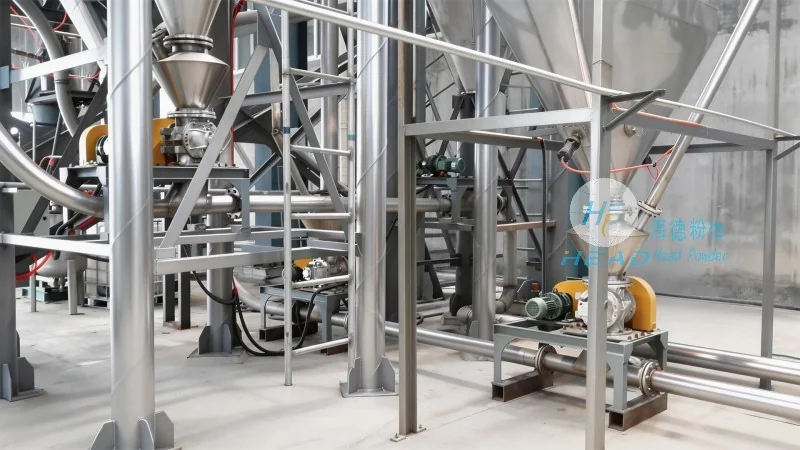
Several critical components make up an effective ammonium bicarbonate pneumatic conveying system. The material feeder is responsible for introducing the ammonium bicarbonate into the system, ensuring a consistent flow rate. This component may include a hopper or a rotary valve to control the discharge of the powder. The conveying line, usually made of stainless steel or other corrosion-resistant materials, is designed to withstand the abrasive nature of the ammonium bicarbonate particles and prevent material buildup. The separation or collection device, such as a cyclone or a baghouse, separates the ammonium bicarbonate from the air stream, allowing the material to be collected at the destination. Finally, a dust collector or filter removes any residual dust from the exhaust air, ensuring compliance with environmental regulations and maintaining air quality. Each component plays a vital role in the overall performance and reliability of the system, and their proper integration is essential for efficient operation.
Application Scenarios and Operational Characteristics
Ammonium bicarbonate pneumatic conveying systems are employed in a variety of industrial settings, each with unique operational characteristics. In fertilizer production, for example, these systems are used to transport ammonium bicarbonate from storage silos to processing units or packaging lines. The high flow rates and low dust generation make them ideal for this application, as they help maintain product quality and reduce environmental impact. In food processing, ammonium bicarbonate is used as a leavening agent, and pneumatic conveying systems are used to transport it from storage to mixing or packaging equipment. The systems must be designed to handle the material's hygroscopic nature, as moisture can affect its performance and the conveying process. In pharmaceutical manufacturing, where purity is paramount, pneumatic conveying systems are used to transport ammonium bicarbonate to production lines, ensuring that the material is handled in a clean and controlled environment. The systems are typically equipped with additional filtration and cleaning features to maintain high standards of hygiene and product quality.
Advantages and Challenges of Ammonium Bicarbonate Pneumatic Conveying
Pneumatic conveying systems for ammonium bicarbonate offer several advantages over traditional methods like bucket elevators or belt conveyors. These systems are generally more compact, requiring less floor space and reducing the need for complex infrastructure. They also provide a dust-free environment, which is crucial for maintaining product quality and ensuring worker safety. Additionally, pneumatic conveying can handle a wide range of particle sizes and flow rates, making it versatile for different applications. However, the systems also present challenges, such as the potential for material buildup in the conveying line, which can lead to clogging and reduced efficiency. Proper maintenance and cleaning schedules are essential to mitigate these issues. Another challenge is the need for adequate air filtration to prevent dust accumulation in the system and comply with environmental regulations. Despite these challenges, the benefits of pneumatic conveying often outweigh the drawbacks, making it a preferred choice for many industries.
Case Study: Implementation by Shandong HeadPowder Engineering Co., Ltd.
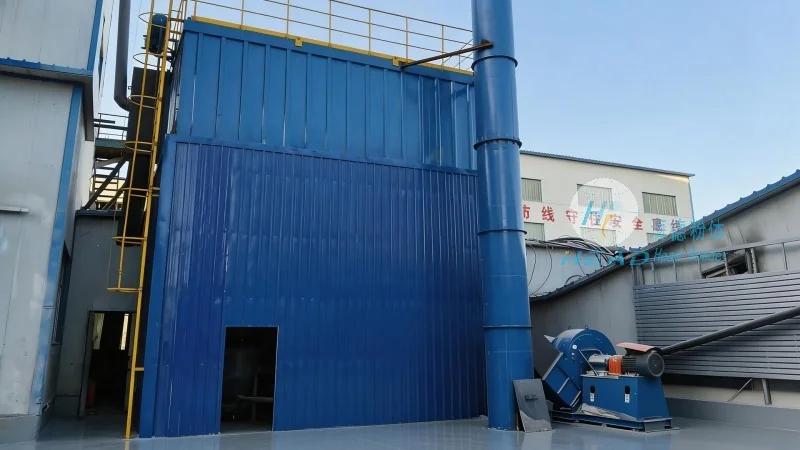
Shandong HeadPowder Engineering Co., Ltd., a leading provider of industrial conveying solutions, has successfully implemented ammonium bicarbonate pneumatic conveying systems in various projects. The company, based in Shandong, China, specializes in designing and manufacturing customized conveying systems tailored to the specific needs of clients. One notable project involved the installation of a pneumatic conveying system for a fertilizer manufacturer, where the system was designed to transport ammonium bicarbonate from storage silos to a granulation unit. The system was engineered to handle high flow rates and maintain low pressure drops, ensuring consistent material delivery. The company's expertise in material handling and system design ensured that the system met the client's operational requirements and regulatory standards. This case study highlights the effectiveness of pneumatic conveying systems in real-world applications and the importance of professional engineering in system design and implementation.
Conclusion and Future Outlook
Ammonium bicarbonate pneumatic conveying systems represent a sophisticated and efficient method for transporting this critical chemical. By understanding the fundamental principles and application scenarios, industries can optimize their material handling processes, improve product quality, and enhance operational efficiency. As technology advances, the design and performance of these systems are likely to improve, offering even greater benefits in terms of efficiency, reliability, and environmental compliance. For industries dealing with ammonium bicarbonate, investing in a well-designed pneumatic conveying system is a strategic decision that can lead to long-term operational advantages and cost savings.