

Principle and Working Scene Characteristics of Denitrification Urea Pneumatic Conveying Equipment
Denitrification urea pneumatic conveying equipment is a critical component in modern industrial processes, particularly within the framework of flue gas treatment systems. These systems are essential for reducing nitrogen oxides (NOx) emissions, a key environmental concern in power generation and industrial combustion operations. The equipment facilitates the efficient transport of urea, a primary reducing agent used in selective catalytic reduction (SCR) technology, from storage or preparation units to the injection points within boilers or reactors. This article explores the underlying principles of operation and the distinct characteristics of the working environments where such equipment is typically deployed.
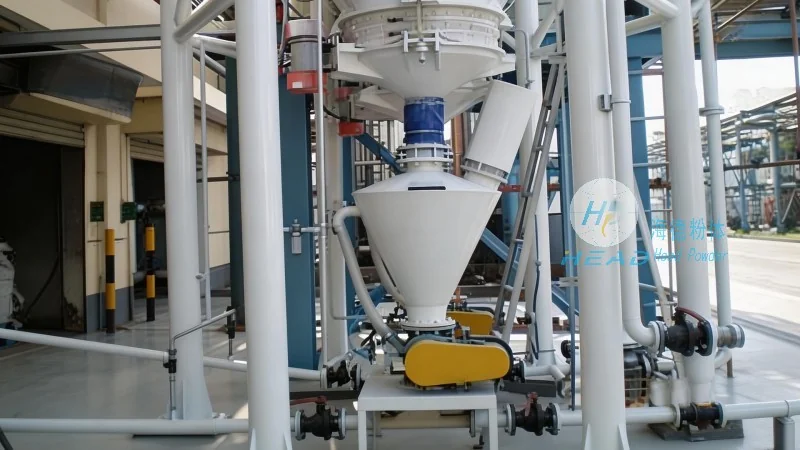
Working Principle of Pneumatic Conveying for Denitrification Urea
The fundamental operation of denitrification urea pneumatic conveying equipment is rooted in the principles of pneumatic transport, which leverages compressed air or other gas to move materials through a pipeline network. In the context of urea-based denitrification, the system typically operates under either positive pressure (pressure conveying) or negative pressure (vacuum conveying), depending on the specific application requirements and material characteristics. The process involves several key steps:
First, the urea solution or solid urea is introduced into the conveying system. Compressed air is then introduced into the pipeline, creating a high-velocity gas stream that propels the urea particles or liquid through the system. The velocity of the gas is carefully regulated to ensure that the urea reaches the target location without degradation, clogging, or excessive energy consumption. This method offers significant advantages over traditional mechanical conveying, including reduced equipment wear, lower operational costs, and the ability to handle materials in a dust-free environment, which is crucial for maintaining the integrity of the denitrification process.
Key Working Scene Characteristics
The application scenarios for denitrification urea pneumatic conveying equipment are diverse and tailored to meet the unique demands of various industrial sectors. Some of the most common working environments include:
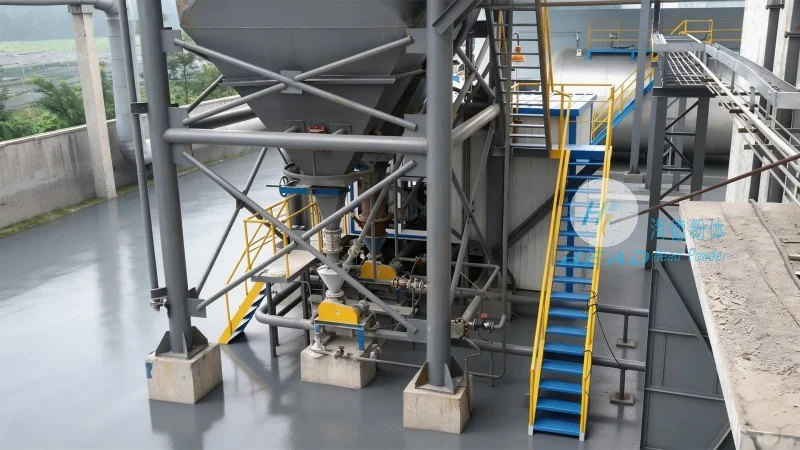
1. Power Generation Facilities: In coal-fired or natural gas-fired power plants, these systems are integral to the selective catalytic reduction (SCR) system, which reduces NOx emissions to comply with stringent environmental regulations. The equipment must handle large volumes of urea solution and operate under high-temperature and high-pressure conditions, ensuring reliable and continuous operation throughout the plant's operational cycle. The working environment may also involve corrosive gases, moisture, and particulate matter, requiring robust construction and specialized materials to maintain performance and longevity.
2. Industrial Boilers and Furnaces: For industrial facilities that rely on combustion processes, such as chemical plants, steel mills, and paper mills, the equipment is used to deliver urea to the denitrification zone. The working conditions may include abrasive particles, high humidity, or fluctuating temperatures, necessitating equipment designed for durability and resistance to wear and corrosion. The equipment must also be capable of handling varying urea concentrations and flow rates to accommodate different production demands.
3. Waste Incineration Plants: In facilities that process municipal or industrial waste, the equipment helps in controlling NOx emissions from the incineration process. The working conditions may involve high temperatures, the presence of ash or other byproducts, and potentially hazardous gases, requiring equipment that is both heat-resistant and chemically resistant. The reliability of the conveying system is critical to ensure consistent NOx reduction and to prevent operational disruptions.
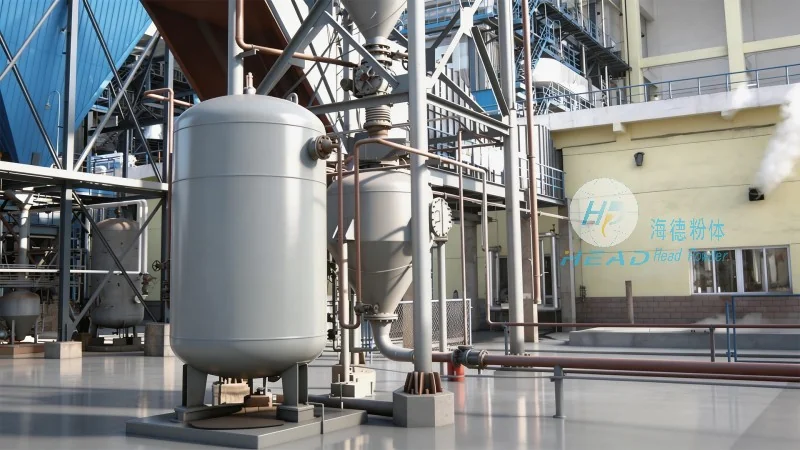
Technical Advantages and Performance Features
Denitrification urea pneumatic conveying equipment from Shandong HeadPowder Engineering Co., Ltd. is engineered to deliver superior performance and reliability in demanding industrial settings. Key technical advantages include:
Efficient Material Transport: The equipment ensures high conveying efficiency, minimizing material loss and ensuring consistent delivery of urea to the injection points. This is critical for maintaining optimal denitrification efficiency and reducing operational costs. The system can handle both liquid and solid urea forms, providing flexibility in application.
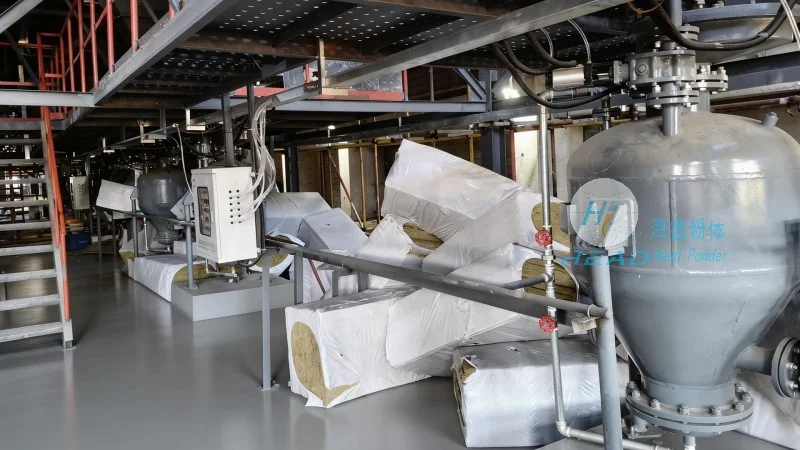
Low Maintenance Requirements: Advanced design and high-quality materials, such as stainless steel and corrosion-resistant alloys, reduce the need for frequent maintenance, leading to lower downtime and extended equipment lifespan. The use of wear-resistant components further enhances durability.
Customizable Solutions: The company offers tailored solutions to meet the specific requirements of different applications, including variations in conveying distance, material type, and operating pressure. This customization ensures that the equipment is optimized for the unique conditions of each industrial site.
About Shandong HeadPowder Engineering Co., Ltd.
Shandong HeadPowder Engineering Co., Ltd., commonly known as headpowder, is a leading manufacturer of industrial conveying equipment based in Shandong, China. With decades of experience in the field, the company specializes in developing and manufacturing advanced pneumatic conveying systems for various industrial applications, including denitrification processes. The company's commitment to quality, innovation, and customer satisfaction has established it as a trusted partner in the industry. Headpowder's products are designed to meet international standards and are widely used in power plants, industrial facilities, and other sectors requiring efficient and reliable material transport solutions.