

Principles and Application Scenarios of Foam Plastic Material Conveying
Foam plastic material conveying is a specialized process used in various industrial settings to transport lightweight, often irregularly shaped foam products efficiently. The core principles of this technology revolve around understanding the physical properties of foam materials—such as their low density, compressibility, and susceptibility to air flow—and designing conveying systems that leverage these characteristics. Unlike traditional bulk materials, foam plastics require equipment that can handle their unique handling challenges, including preventing damage, maintaining material integrity, and ensuring consistent flow rates.
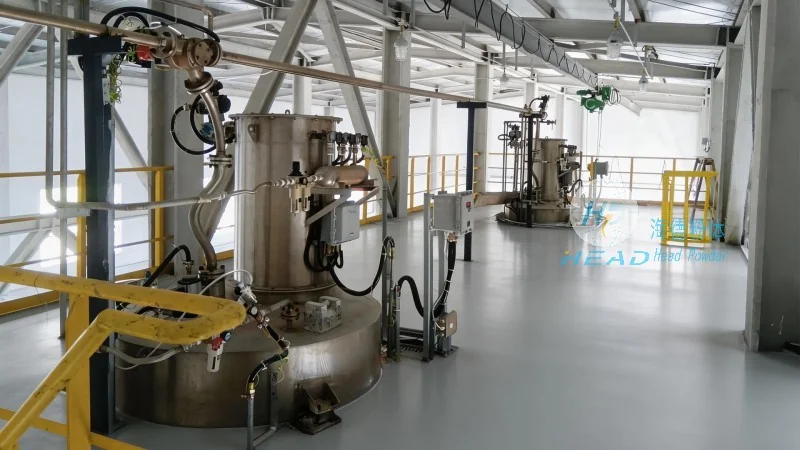
The fundamental principle of foam plastic conveying involves creating a controlled environment where the material can be moved without excessive pressure or friction. This typically includes the use of air-assisted systems, such as pneumatic conveyors, which utilize compressed air to lift and transport foam pieces through a network of pipes or ducts. The design of these systems must account for the foam's low bulk density, which can lead to issues like material settling or blockages if not properly managed. Advanced solutions often incorporate features like vibration, agitation, or adjustable air pressure to maintain a smooth flow and prevent material degradation.
Key Working Scene Characteristics of Foam Plastic Conveying
The application scenarios for foam plastic material conveying span multiple industries, each with distinct requirements that influence the choice of conveying system. In the packaging industry, for example, foam plastics are commonly used as protective inserts or cushioning materials. Conveying systems in this sector must be capable of handling large volumes of foam sheets or molded parts while maintaining their structural integrity. This often involves the use of gentle handling mechanisms, such as soft belts or low-pressure air jets, to prevent the foam from being crushed or deformed during transport.
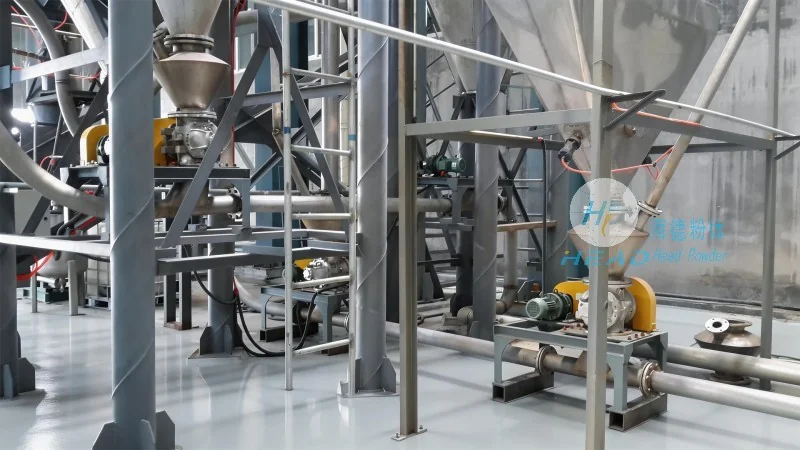
In the automotive industry, foam plastics are used for interior components like seat cushions, headrests, and insulation. The conveying systems here must be tailored to handle the specific dimensions and shapes of these parts, often requiring custom-designed conveyor belts or chutes. Additionally, the systems must be integrated with quality control processes to ensure that only defect-free foam pieces are moved to the next stage of production. This integration is critical for maintaining the high standards of automotive manufacturing.
In the construction and insulation sectors, foam plastics are used as thermal and acoustic insulators. Conveying these materials typically involves larger, bulkier pieces, such as expanded polystyrene (EPS) or polyurethane foam boards. The systems used in these applications often include heavy-duty conveyors with reinforced structures to handle the weight and size of the foam. Furthermore, the systems must be designed to minimize dust or particle release, as these materials can be hazardous if inhaled. This is particularly important in indoor construction environments where worker safety is a priority.
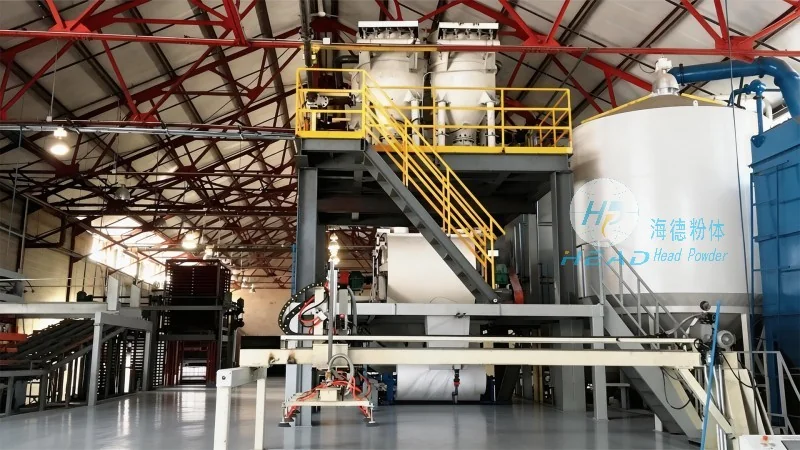
Company Profile: Shandong HeadPowder Engineering Co., Ltd.
Shandong HeadPowder Engineering Co., Ltd., commonly known as HeadPowder, is a leading provider of specialized material handling solutions, including advanced foam plastic conveying systems. With a focus on innovation and customer-centric design, HeadPowder has established itself as a trusted partner for industries requiring efficient and reliable transportation of lightweight, delicate materials. The company's headquarters is located in Shandong, China, where it leverages local manufacturing capabilities and expertise to deliver high-quality equipment tailored to global market needs.
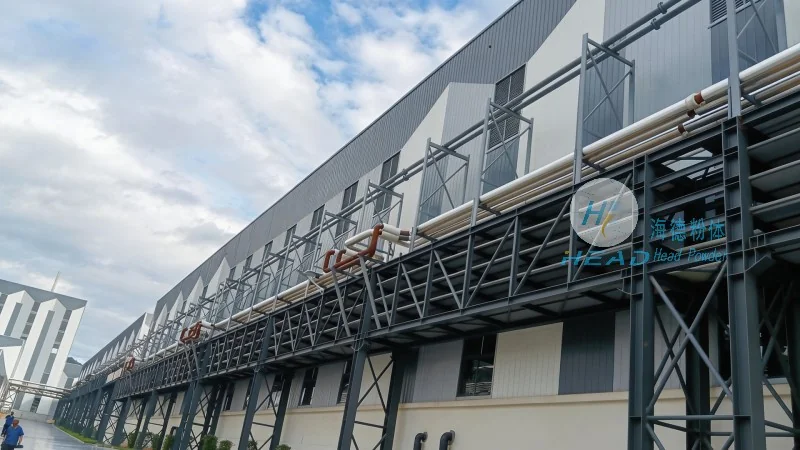
HeadPowder's expertise lies in understanding the unique challenges of foam plastic handling and developing customized solutions that address specific operational requirements. By combining engineering knowledge with practical field experience, the company has developed a range of conveying systems that enhance productivity, reduce material waste, and improve overall operational efficiency. The company's commitment to quality and customer satisfaction has earned it a reputation as a reliable supplier in the material handling industry.
HeadPowder's foam plastic conveying systems are designed to meet the diverse needs of various industries, from packaging and automotive to construction and insulation. The company's products are known for their durability, efficiency, and adaptability, making them suitable for both small-scale and large-scale production environments. By prioritizing customer feedback and continuous improvement, HeadPowder ensures that its solutions remain at the forefront of technological advancements in material handling.