

Principles and Working Scene Characteristics of Glass Raw Material Conveying System Equipment
HeadPowder Engineering, a leading provider of industrial conveying solutions, specializes in the design, manufacturing, and implementation of advanced glass raw material conveying systems. These systems are integral to the glass manufacturing process, ensuring efficient and reliable transport of raw materials from storage to processing units. This article explores the fundamental principles behind such systems and highlights key characteristics of their operational scenarios.
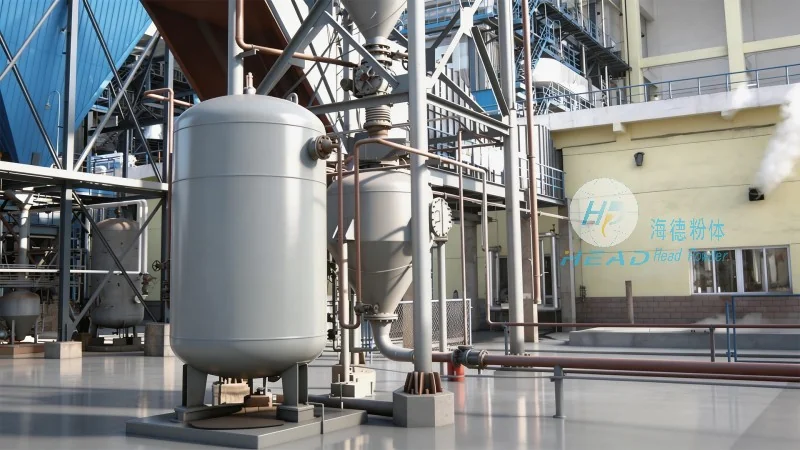
Core Principles of Glass Raw Material Conveying Systems
The glass raw material conveying system operates on the principle of mechanical transport, utilizing various equipment such as belt conveyors, screw conveyors, and pneumatic systems to move bulk materials like sand, soda ash, limestone, and other additives. The system’s design is tailored to handle the specific physical properties of glass raw materials, including their particle size, moisture content, and bulk density. Key components include feed hoppers, conveyor belts or screws, control valves, and dust collection units. The control system integrates sensors and automation technology to regulate the flow rate, maintain consistent material levels, and prevent blockages or overloading. This ensures a continuous and stable supply of raw materials to the glass melting furnace, which is critical for maintaining production efficiency and product quality.
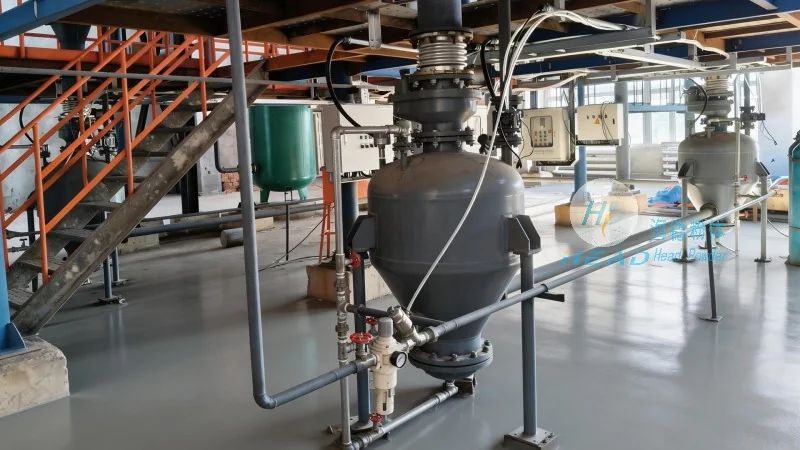
Working Scene Characteristics: Application in Glass Manufacturing
Glass raw material conveying systems are deployed in diverse operational scenarios across the glass industry. In float glass production lines, for instance, these systems are responsible for transporting large quantities of raw materials to the furnace, where they are melted at high temperatures. The systems must be capable of handling high throughput and maintaining precise material ratios, as even minor variations can affect the final glass properties. In container glass manufacturing, the conveying systems are designed to handle smaller, more varied raw materials, often with additional features like material mixing and preheating to optimize the melting process. The operational environment in glass factories is typically characterized by high temperatures, dust, and heavy machinery, requiring the conveying systems to be robust, durable, and resistant to corrosion and wear. HeadPowder Engineering’s solutions are engineered to meet these demanding conditions, with features such as heavy-duty construction, advanced sealing systems, and integrated dust suppression to ensure safe and efficient operation. The systems are also designed for easy maintenance and integration with existing production lines, minimizing downtime and operational costs.
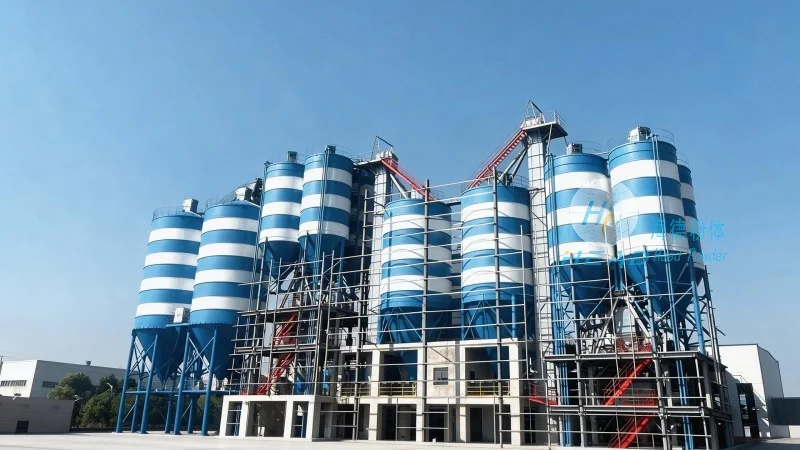
Key Features and Advantages in Operational Scenarios
HeadPowder Engineering’s glass raw material conveying systems offer several advantages that enhance performance in real-world applications. The systems are equipped with variable speed drives and intelligent control algorithms, allowing for precise adjustment of material flow based on production demands. This flexibility is particularly valuable in scenarios where production rates fluctuate or where different raw materials need to be processed sequentially. Additionally, the systems incorporate advanced monitoring and diagnostic tools, enabling real-time tracking of operational parameters and early detection of potential issues. This proactive approach helps prevent equipment failures and ensures consistent system performance. The use of high-quality materials and precision manufacturing ensures long service life and low maintenance requirements, contributing to overall cost savings for glass manufacturers. In summary, the glass raw material conveying systems from HeadPowder Engineering are engineered to meet the unique demands of various glass production environments, providing reliable, efficient, and durable solutions that enhance production efficiency and product quality.