

Principle and Working Scene Characteristics of Chlorinated Polyethylene Material Handling System Equ
Chlorinated polyethylene (CPE) is a versatile polymer widely used in various industrial applications due to its excellent chemical resistance, flexibility, and durability. The material handling systems designed for CPE often require specialized equipment to ensure efficient and safe transportation of this polymer. This article explores the fundamental principles behind CPE material handling systems and highlights key working scene characteristics that define their operational effectiveness.
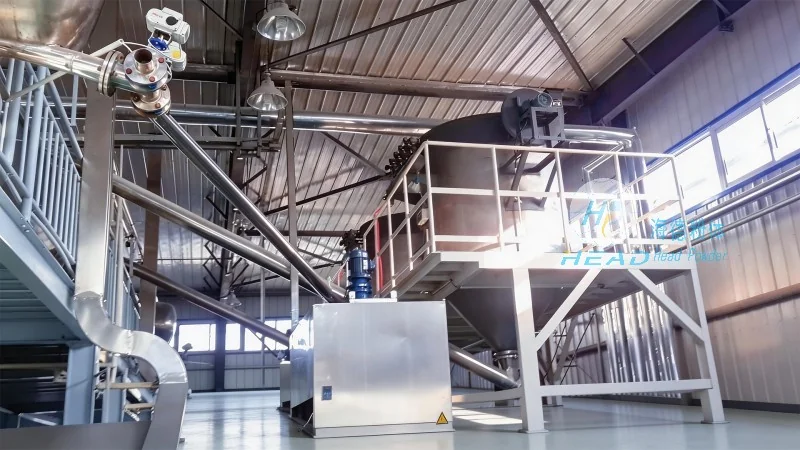
Principle of Chlorinated Polyethylene Material Handling Equipment
The core principle of CPE material handling systems revolves around the design and functionality of equipment that can handle the unique properties of chlorinated polyethylene. These systems typically include components such as conveyors, storage tanks, and processing units, all engineered to manage the polymer's physical characteristics like density, melt flow, and resistance to environmental factors. The equipment is designed to minimize material degradation, ensure consistent flow rates, and maintain product integrity throughout the handling process. For instance, the use of specialized conveyor belts or screw feeders can help in controlling the speed and direction of CPE movement, preventing issues like blockages or uneven distribution.
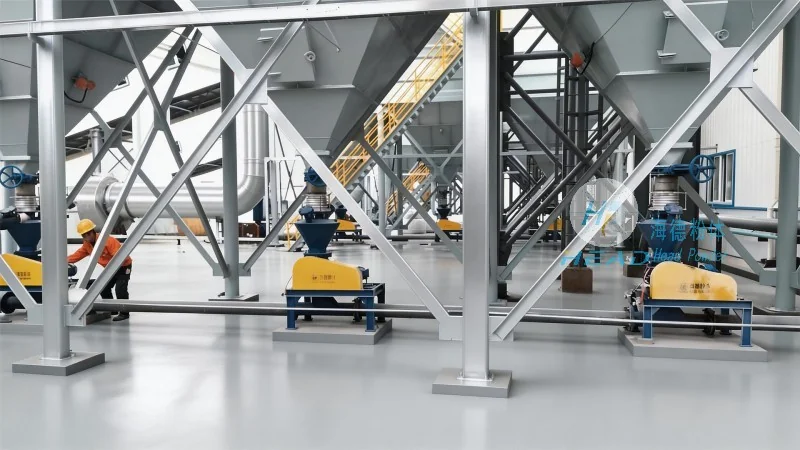
Key Working Scene Characteristics of CPE Material Handling Systems
Working scene characteristics play a crucial role in determining the performance and suitability of CPE material handling systems. These characteristics include operational environment, material handling capacity, and integration with existing industrial processes. In industrial settings, such as chemical plants or manufacturing facilities, the systems must be capable of handling large volumes of CPE while maintaining safety standards. The working scene may involve continuous or batch processing, requiring equipment that can adapt to varying production demands. Additionally, the systems need to be compatible with other machinery and processes, ensuring seamless integration without disrupting overall workflow. For example, in a production line where CPE is used to manufacture plastic products, the material handling system must align with the speed and output of the downstream processing units.
Application Scenarios and Operational Efficiency
The effectiveness of CPE material handling systems is evident in various application scenarios across different industries. In the construction industry, CPE is used for waterproofing membranes, and the handling systems ensure that the material is transported efficiently to construction sites. Similarly, in the automotive industry, CPE is used in interior components, and specialized handling equipment ensures that the material is processed without damage. The working scene characteristics in these applications often involve high-volume production and strict quality control, which the CPE material handling systems are designed to meet. By optimizing the flow and storage of CPE, these systems contribute to improved operational efficiency, reduced downtime, and enhanced product quality.
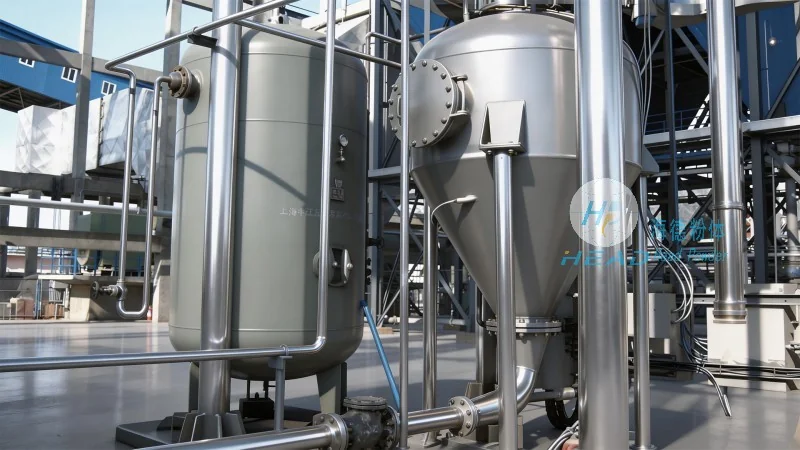
Company Profile: Shandong HeadPowder Engineering Co., Ltd.
Shandong HeadPowder Engineering Co., Ltd., commonly known as HeadPowder, is a leading provider of industrial material handling solutions. With a strong presence in China, particularly in Shandong province, the company specializes in designing and manufacturing equipment tailored for handling various polymers, including chlorinated polyethylene. HeadPowder's expertise lies in understanding the unique properties of different materials and developing systems that enhance operational efficiency and safety. The company's commitment to quality and innovation has made it a trusted partner for industries relying on efficient material handling solutions. By leveraging advanced engineering and manufacturing capabilities, HeadPowder ensures that its CPE material handling systems meet the highest standards of performance and reliability.