

Principles and Working Scene Characteristics of Dense Phase Powder Pneumatic Conveying
Understanding dense phase powder pneumatic conveying is crucial for industries that rely on efficient and reliable material handling solutions. This technology represents a sophisticated approach to transporting bulk powders through a pipeline using a combination of air and solid particles, offering significant advantages over traditional methods. The principles behind dense phase conveying involve maintaining a high concentration of powder within the conveying air, which reduces the velocity required for transport and minimizes particle degradation. By controlling the gas velocity and pressure, operators can achieve stable and efficient material movement, ensuring minimal product loss and consistent performance.
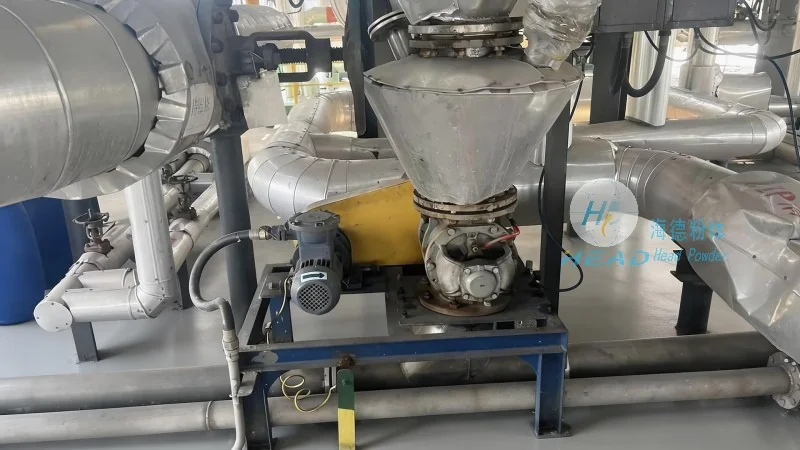


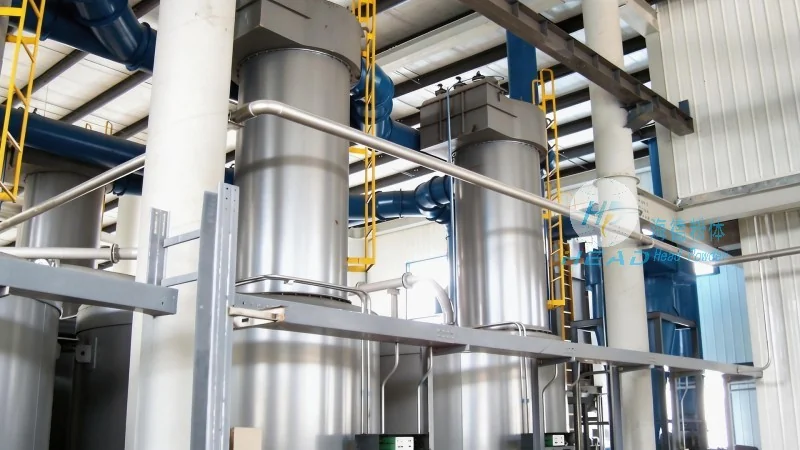
Principles of Dense Phase Powder Pneumatic Conveying
The core principle of dense phase pneumatic conveying is to operate in a regime where the powder concentration is high enough to create a slurry-like flow within the pipeline. This is achieved by adjusting the air flow rate and pressure to maintain a specific solids-to-gas ratio. Unlike dilute phase systems that rely on high velocities to keep particles suspended, dense phase systems use lower velocities and higher pressures, which results in a more gentle and controlled transport process. This approach is particularly beneficial for sensitive materials, as it reduces the risk of attrition, agglomeration, or degradation that can occur with high-speed air movement. The system typically consists of a blower or compressor, a hopper for material storage, a conveying line, and a receiver for the discharged material. The control of these components is critical to achieving optimal performance, as it directly impacts the conveying efficiency and material quality. Dense phase systems often operate in either positive or negative pressure modes, with positive pressure being common for short-distance transport and negative pressure for longer or more complex systems. The selection of the appropriate mode depends on factors such as material properties, system layout, and operational requirements. Additionally, the use of specialized components, such as rotary valves and check valves, ensures smooth material flow and prevents backflow, maintaining the integrity of the conveying process.
Working Scene Characteristics and Applications
Dense phase powder pneumatic conveying is widely used across various industries due to its adaptability to different material properties and operational requirements. In the chemical industry, it is commonly employed for transporting reactive powders, catalysts, and fine chemicals, where maintaining product integrity is paramount. The food and pharmaceutical sectors also benefit from this technology, as it allows for the safe and hygienic handling of sensitive ingredients, such as spices, vitamins, and active pharmaceutical ingredients (APIs). The system's ability to handle abrasive or sticky materials makes it suitable for applications in the mining and minerals processing industries, where materials like coal, ores, and minerals are transported over long distances. Additionally, in the agricultural sector, dense phase conveying is used for the transport of fertilizers and seeds, ensuring minimal loss and consistent quality. The working scene characteristics of dense phase systems include their ability to operate in both positive and negative pressure modes, allowing for flexibility in system design and integration with existing facilities. This adaptability makes them suitable for both new installations and retrofits, providing a cost-effective solution for upgrading material handling processes. For example, in a chemical plant, dense phase conveying can be integrated with existing storage silos and processing equipment, reducing the need for additional infrastructure and minimizing downtime during installation. In the food industry, the hygienic design of dense phase systems, including stainless steel construction and easy-to-clean components, ensures compliance with regulatory standards and maintains product safety. The system's ability to handle high-purity materials without contamination is a key advantage, making it ideal for pharmaceutical applications where product quality is non-negotiable.