

Principle and Application Characteristics of Coal and Sand Powdered Material Pneumatic Conveying Sys
HeadPowder, a leading engineering company based in Shandong, China, specializes in the design, manufacturing, and installation of advanced pneumatic conveying systems for handling powdered materials like coal and sand. This article explores the fundamental principles behind these systems and highlights the key operational scenarios where they are most effectively applied.
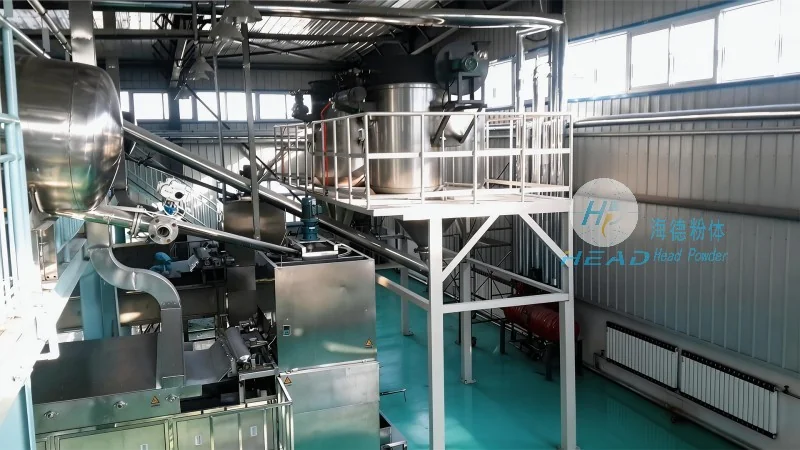
Understanding the Core Principles of Pneumatic Conveying Systems
Pneumatic conveying systems utilize air or gas to transport bulk materials through a pipeline network. The technology is based on the principle of creating a pressure differential that propels the material particles along the system. There are primarily two types of pneumatic conveying: pressure and vacuum systems. Pressure systems operate by injecting high-pressure air into a sealed pipeline, pushing the material forward. Vacuum systems, on the other hand, create a negative pressure environment that draws the material into the pipeline. The choice between these systems depends on factors such as material characteristics, distance, and system layout. For coal and sand, which are often abrasive and have varying particle sizes, a well-designed system must ensure efficient transport while minimizing wear and material degradation.
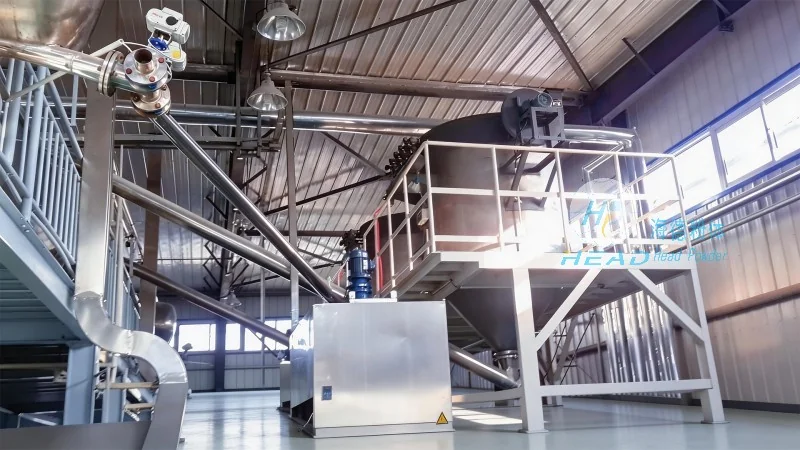
Key Components and Their Functions in Pneumatic Conveying
The effectiveness of a pneumatic conveying system is determined by its critical components. The main elements include the material feed hopper, which stores and feeds the bulk material into the system; the conveyor pipeline, which transports the material; the air supply unit, which provides the necessary air or gas; and the control valves and regulators, which manage the flow and pressure. In coal and sand applications, the feed hopper is often equipped with a rotary valve or a star feeder to ensure a consistent and controlled material flow. The pipeline is typically made of corrosion-resistant materials like stainless steel or special alloys to withstand the abrasive nature of coal and sand particles. The air supply unit may include a blower or a compressor, depending on the system design, and is equipped with filters to maintain air quality and prevent contamination. Control valves, such as check valves and pressure relief valves, are essential for regulating the flow and preventing backflow or overpressure situations.
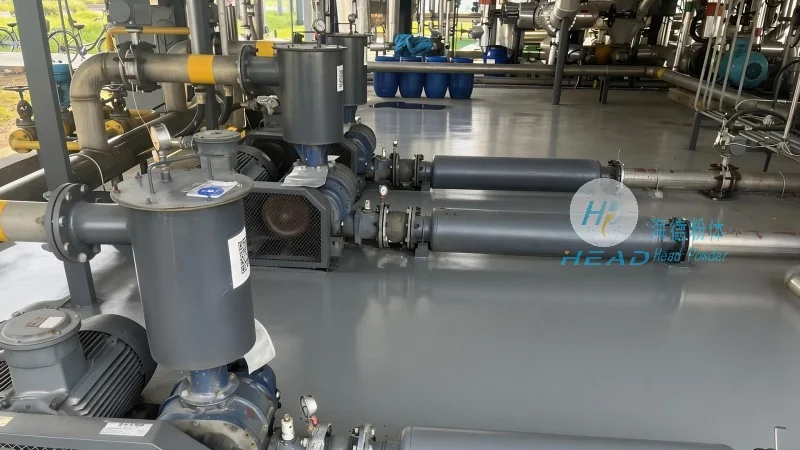
Application Characteristics for Coal and Sand Materials
The unique properties of coal and sand make them suitable for specific operational scenarios where pneumatic conveying systems excel. Coal, being a combustible material, requires careful handling to prevent dust explosions and ensure safety. Pneumatic conveying systems can transport coal from storage silos to processing units or power plants with minimal dust generation and high efficiency. Sand, commonly used in construction and industrial applications, is often transported in large quantities and over long distances. Pneumatic systems are ideal for this as they can handle high volumes and maintain material integrity during transport. The abrasive nature of sand necessitates the use of robust components and regular maintenance to ensure the system's longevity. Additionally, the system's design must account for the varying moisture content and particle size distribution of sand, as these factors can affect the conveying efficiency and system performance.
Operational Scenarios and System Performance
Pneumatic conveying systems for coal and sand are widely used in various industrial settings. In coal-fired power plants, these systems are crucial for transporting coal from stockpiles to the boiler feed system. The systems must be capable of handling large quantities of coal and maintaining a consistent flow to ensure stable power generation. In mining operations, pneumatic conveyors are used to transport sand and other minerals from the extraction site to processing facilities. The systems are often integrated with other equipment, such as crushers and screens, to form a complete material handling line. In construction sites, sand is transported from quarries to building sites using pneumatic systems, which offer advantages over traditional methods like trucks or belts, including reduced labor costs and lower environmental impact. The performance of these systems is evaluated based on factors such as conveying capacity, pressure drop, and material recovery rate. A well-designed system for coal and sand should achieve high conveying efficiency with minimal pressure loss and low material degradation.
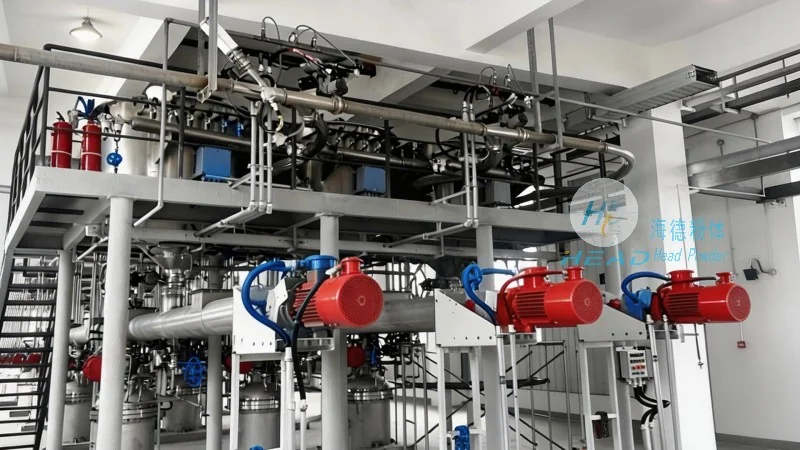
Advantages and Considerations for Coal and Sand Pneumatic Conveying
Implementing pneumatic conveying systems for coal and sand offers several advantages over traditional material handling methods. One of the primary benefits is the ability to transport materials in a closed system, which reduces dust emissions and improves workplace safety. This is particularly important for coal, which poses a risk of dust explosions. Another advantage is the flexibility of the system, as it can be easily modified or expanded to accommodate changes in material flow or production requirements. Pneumatic systems also offer high conveying speeds and can handle materials over long distances without the need for intermediate storage or transfer points. However, there are also considerations to keep in mind. The abrasive nature of coal and sand can lead to increased wear on system components, requiring regular maintenance and replacement of parts like pipeline liners and valve seats. Additionally, the system's energy consumption is higher compared to other methods, as it requires continuous air or gas flow. Proper system design and maintenance are essential to mitigate these issues and ensure optimal performance.