

Principle and Application Scenarios of Fine Powder Material Pneumatic Conveying Equipment
For industries dealing with fine powder materials, efficient and reliable material handling solutions are crucial. Pneumatic conveying equipment, particularly for fine powders, offers a versatile method to transport materials without direct contact, reducing contamination and wear. This article explores the fundamental principles behind fine powder pneumatic conveying systems and highlights key application scenarios where such equipment excels.
Principle of Fine Powder Pneumatic Conveying
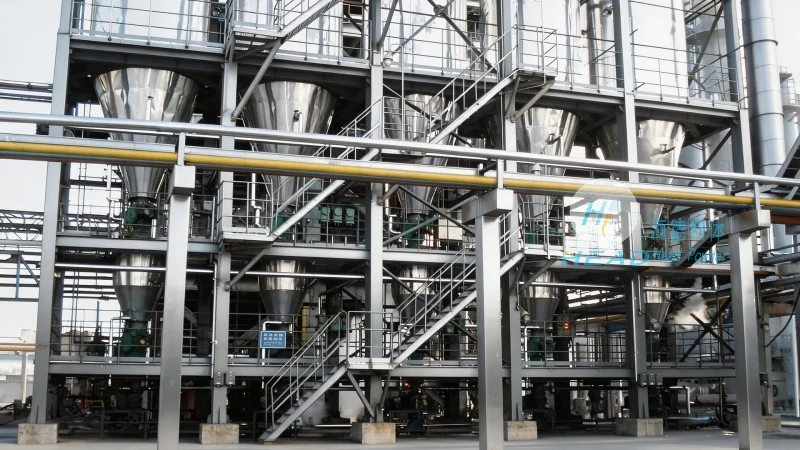
Fine powder pneumatic conveying systems operate by using compressed air or vacuum to move particulate materials through a pipeline. The core principle involves creating a flow of air that carries the powder particles, either by blowing air into the material (positive pressure or pressure conveying) or by creating a vacuum to draw material into the air stream (negative pressure or suction conveying). The choice between pressure and suction systems depends on factors like material characteristics, distance, and system layout.
Pressure conveying systems are typically used for longer distances and higher material flow rates. They involve a blower or compressor that supplies air at a high pressure, pushing the material through the pipeline. This method is effective for materials that are prone to caking or require gentle handling. Suction conveying, on the other hand, is suitable for shorter distances and when the material needs to be collected from multiple points. It uses a vacuum pump to draw material into the system, making it ideal for applications where material is scattered or needs to be gathered from various sources.
Key Components and Their Functions
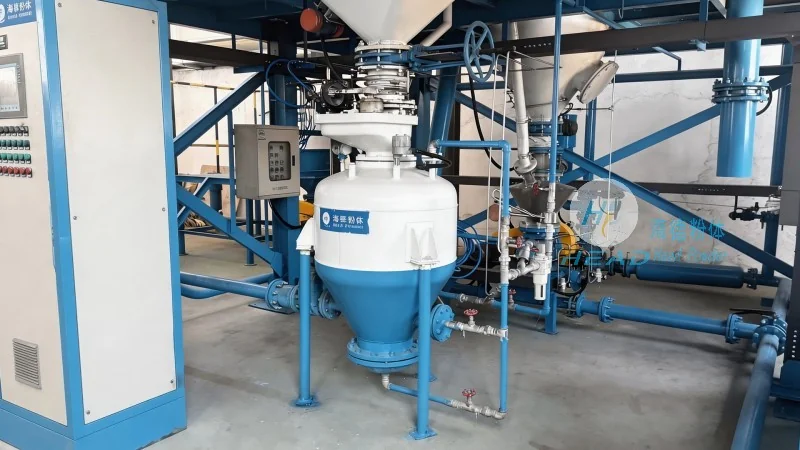
Several critical components make up a fine powder pneumatic conveying system. These include the air source (blower or compressor), the conveying line (pipeline), and various accessories such as feeders, cyclones, and filters. The feeder is responsible for feeding the material into the air stream at a consistent rate, ensuring smooth operation. Cyclones are used to separate the material from the air stream, allowing the powder to be collected while the air is discharged or recirculated. Filters are essential for maintaining air quality and preventing dust from escaping into the environment.
Application Scenarios of Fine Powder Pneumatic Conveying Equipment
Fine powder pneumatic conveying equipment is widely used across various industries due to its adaptability and efficiency. In the chemical industry, it is employed to transport raw materials and finished products, such as powders used in pharmaceuticals or industrial chemicals. The food and beverage sector utilizes this technology to handle ingredients like flour, sugar, and spices, ensuring hygiene and preventing cross-contamination. The pharmaceutical industry benefits from the sterile and controlled environment provided by pneumatic conveying systems, which is vital for maintaining product quality and safety.
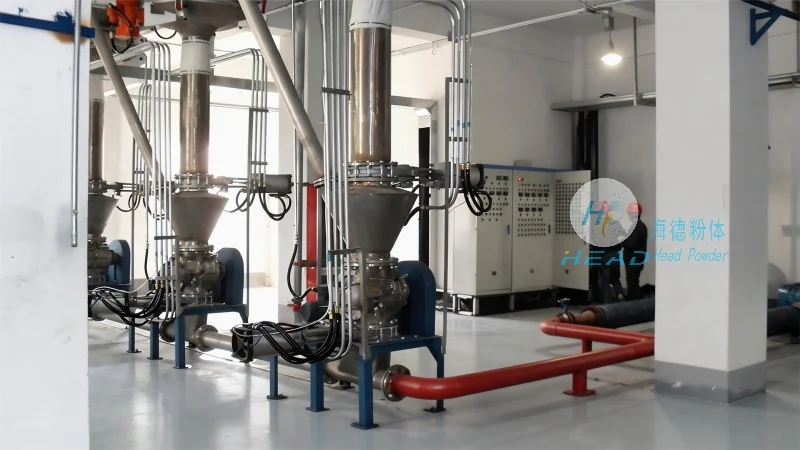
In the cement and construction materials industry, pneumatic conveying is used to transport cement, fly ash, and other fine powders, facilitating efficient production and material distribution. The mining sector also employs this technology to move ore and other mineral powders from processing plants to storage or further processing facilities. Additionally, in the agricultural sector, fine powder pneumatic conveying systems are used to handle fertilizers and other agricultural products, improving logistics and reducing handling costs.
Advantages of Using Fine Powder Pneumatic Conveying Systems
Compared to traditional mechanical conveying methods, fine powder pneumatic conveying offers several advantages. One of the primary benefits is the reduction in material degradation and contamination, as the material is not in direct contact with metal or other surfaces. This is particularly important for sensitive materials like pharmaceuticals or food products. Additionally, pneumatic conveying systems are more flexible and can be easily modified to accommodate changes in production needs or facility layout. They also require less maintenance compared to mechanical systems, as there are fewer moving parts and less wear and tear.
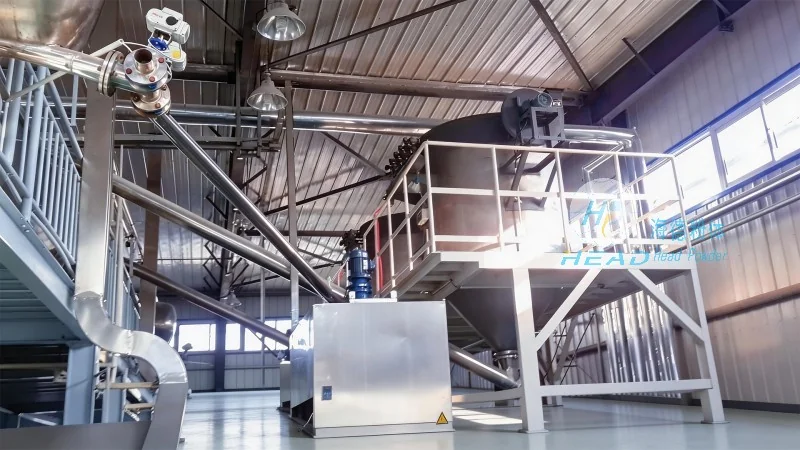
Another advantage is the ability to handle a wide range of materials, from low to high density powders, and even mixtures of different materials. This versatility makes pneumatic conveying systems suitable for diverse applications. Furthermore, the systems can be designed to operate in a closed loop, reducing energy consumption and environmental impact by minimizing air leakage and reusing air. This makes them more cost-effective and environmentally friendly in the long run.
Conclusion
Fine powder pneumatic conveying equipment is a critical solution for industries dealing with fine particulate materials. By understanding the principles behind these systems and their various application scenarios, businesses can make informed decisions about implementing the right material handling technology. The efficiency, flexibility, and reliability of pneumatic conveying systems make them an ideal choice for modern industrial operations, ensuring smooth and safe material transport while maintaining product quality and environmental standards.