

Operation Process and Working Principle of Sugar Pneumatic Conveying
HeadPowder, a leading engineering firm based in Shandong, China, specializes in the design and implementation of advanced pneumatic conveying systems for the sugar industry. This article provides a detailed overview of the operation process and working principle of sugar pneumatic conveying, highlighting the technical aspects and practical applications that ensure efficient and reliable material handling in sugar processing facilities.
Understanding Pneumatic Conveying Systems
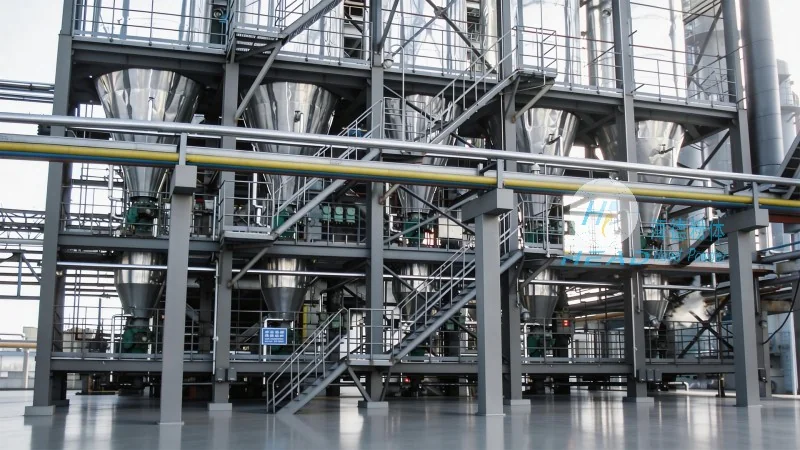
Pneumatic conveying is a method of transporting bulk materials, such as sugar, through a pipeline using air or gas as the conveying medium. Unlike mechanical systems that rely on belts, buckets, or screws, pneumatic systems utilize pressure differentials to move materials from one location to another. This technology offers several advantages, including high efficiency, minimal product degradation, and the ability to handle a wide range of sugar types and particle sizes.
The Working Principle of Sugar Pneumatic Conveying
The core of a sugar pneumatic conveying system involves a series of components working in tandem to transport sugar from a source to a destination. The process typically begins with the material being fed into a hopper or silo. From there, the material is drawn into a conveyor line by a vacuum or pressure source, depending on the system design. As the sugar moves through the pipeline, it is propelled by the air flow, which can be generated by a fan, blower, or compressor. The air-sugar mixture travels through the system, often passing through various sections like bends, filters, and separation devices to ensure proper flow and prevent blockages.
Key Components and Their Roles
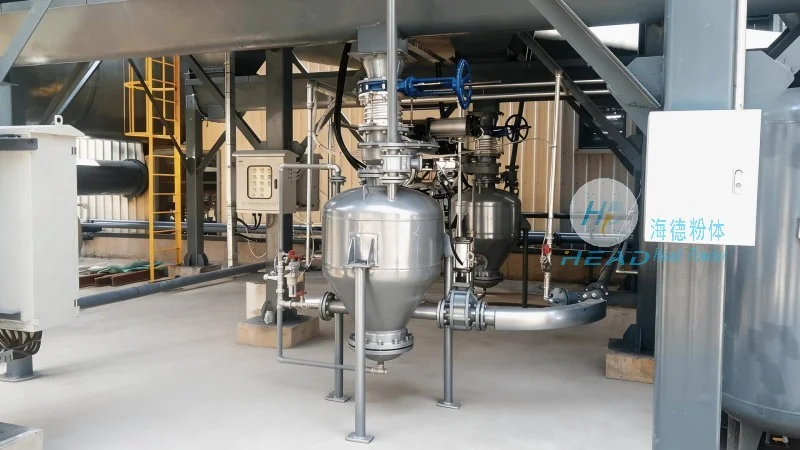
Several critical components are integral to the effective operation of a sugar pneumatic conveying system. The primary components include the material feed hopper, which holds the sugar and regulates the flow rate; the air mover (either a vacuum or pressure system), which provides the necessary force to transport the material; the conveying pipeline, which forms the path for the sugar and air; and the control system, which monitors and adjusts the operation to maintain optimal performance. Additionally, filters and cyclones are often used to separate the sugar from the air, ensuring that the material remains clean and free from dust or debris.
The Operation Process: Step-by-Step
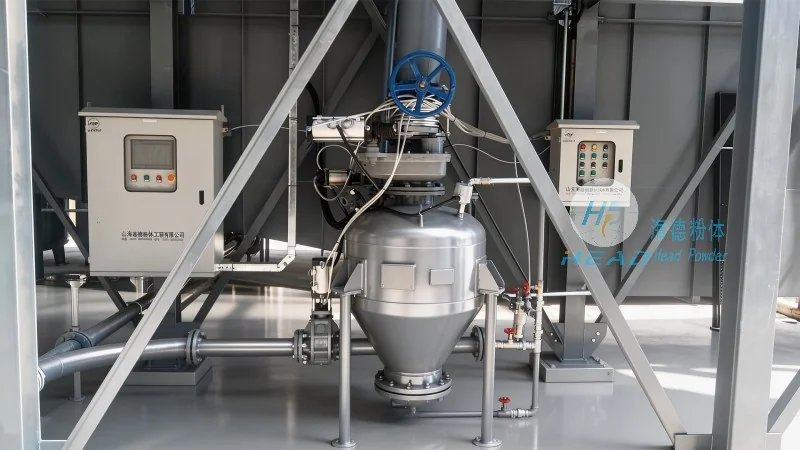
The operation process of a sugar pneumatic conveying system can be broken down into several key steps. First, the sugar is loaded into the feed hopper, where it is stored and prepared for transport. Next, the air mover is activated, creating a pressure or vacuum that draws the sugar into the pipeline. As the sugar enters the system, it is mixed with the air and begins to travel through the pipeline. The system may include intermediate storage or processing points, such as a cyclone separator, which removes any excess air or fine particles from the sugar stream. Finally, the sugar is discharged at the destination point, such as a storage silo or processing unit, completing the conveying cycle.

Advantages and Considerations for Sugar Pneumatic Conveying
Implementing a pneumatic conveying system for sugar processing offers numerous benefits. These include reduced labor costs due to automated material handling, improved product quality by minimizing contact with mechanical components, and enhanced safety by eliminating the need for manual handling of bulk materials. However, the success of such a system depends on proper design and maintenance. Factors like sugar particle size, moisture content, and the system's pressure requirements must be carefully considered to ensure efficient operation and prevent issues like blockages or material degradation.
Conclusion
HeadPowder Engineering Co., Ltd., with its expertise in pneumatic conveying technology, provides comprehensive solutions for sugar processing facilities. By understanding the operation process and working principle of sugar pneumatic conveying, industries can optimize their material handling processes, improve efficiency, and ensure the quality of their sugar products. The company's commitment to quality and innovation ensures that clients receive tailored systems that meet their specific needs and operational requirements.