

The Operation Process and Working Principle of Titanium Dioxide Pneumatic Conveying
Understanding the operation process and working principle of titanium dioxide pneumatic conveying is crucial for optimizing material handling in industrial applications. This technology, widely used in the chemical and pigment industries, ensures efficient and safe transport of fine powders like titanium dioxide. The following sections provide a detailed overview of the key aspects involved in this process.
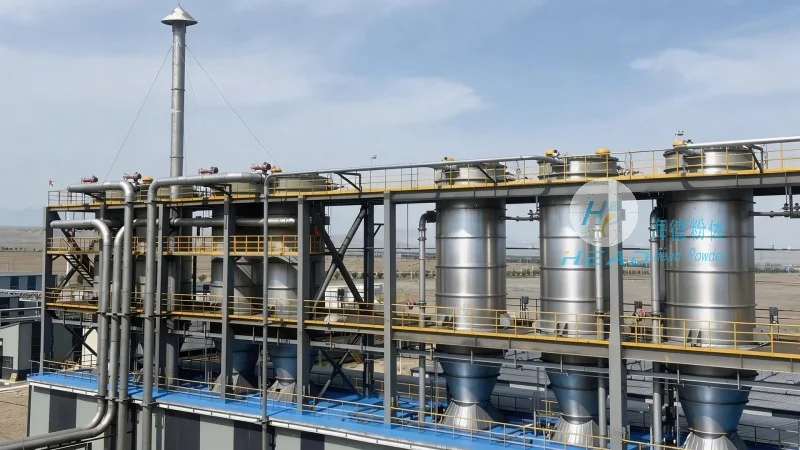
Introduction to Titanium Dioxide Pneumatic Conveying
Titanium dioxide, a high-value pigment with extensive applications in coatings, plastics, and paper, requires specialized handling methods due to its fine particle size and potential for dust generation. Pneumatic conveying offers a solution by utilizing air to transport the powder, minimizing contamination and improving process efficiency. HeadPowder, a leading provider in this field, specializes in designing and implementing advanced pneumatic conveying systems tailored to the unique needs of titanium dioxide processing.
Key Components of a Pneumatic Conveying System
The pneumatic conveying system for titanium dioxide typically consists of several critical components that work in tandem to ensure smooth operation. These include the material hopper, which stores the titanium dioxide powder; the air compressor or blower, which generates the necessary airflow; the conveying line, which transports the powder through the system; and the receiver, where the material is deposited. Each component plays a vital role in maintaining the integrity of the titanium dioxide and preventing clogging or degradation of the material.

The Operation Process of Titanium Dioxide Pneumatic Conveying
The operation process begins with the loading of titanium dioxide into the material hopper. The hopper is equipped with a feeder mechanism, such as a rotary valve or a screw feeder, which controls the flow rate of the powder into the conveying line. Simultaneously, the air compressor starts, generating a steady stream of air that is directed into the conveying line. As the air flows through the line, it picks up the titanium dioxide particles, creating a slurry of powder and air. The mixture travels through the pipeline to the receiver, where the air is separated from the powder, and the titanium dioxide is collected in the designated container. The air is then filtered and recycled back into the system to minimize energy consumption and environmental impact.
Working Principle of Pneumatic Conveying
The working principle of pneumatic conveying relies on the principles of fluid dynamics and particle transport. In a dilute-phase system, the air velocity is high enough to keep the titanium dioxide particles suspended in the air stream, preventing them from settling or clogging the pipeline. The pressure drop across the system is carefully managed to ensure that the powder is transported efficiently without excessive energy consumption. The system operates under either positive or negative pressure, depending on the specific application and the distance the material needs to be conveyed. Positive pressure systems are commonly used for short-distance conveying, while negative pressure systems are preferred for longer distances or when the material needs to be transported from multiple sources to a central location.
Advantages of Pneumatic Conveying for Titanium Dioxide
Implementing pneumatic conveying for titanium dioxide offers several advantages over traditional methods like belt conveyors or bucket elevators. Firstly, it eliminates the need for mechanical contact with the powder, reducing the risk of contamination and degradation. Secondly, it provides a more hygienic and controlled environment, which is essential for high-purity applications. Thirdly, the system is highly flexible, allowing for easy integration with existing processing lines and adjustments to accommodate varying production rates. Additionally, pneumatic conveying can reduce labor costs and improve safety by minimizing manual handling of the powder.
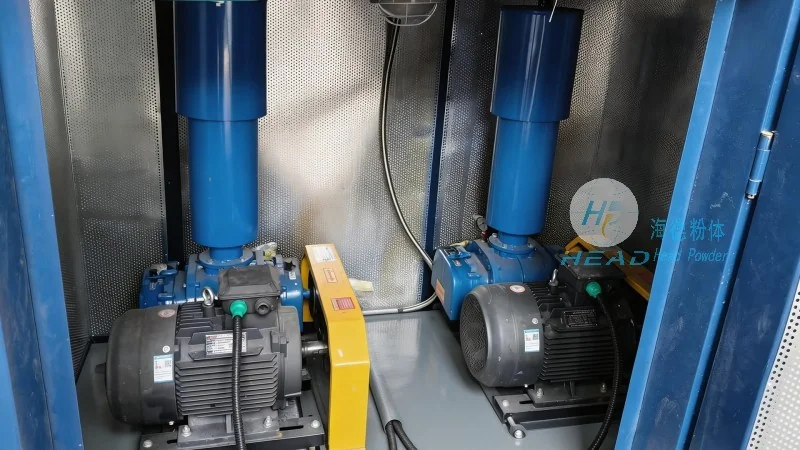
HeadPowder's Expertise in Titanium Dioxide Pneumatic Conveying
Shandong HeadPowder Engineering Co., Ltd., operating under the brand name headpowder, is a trusted partner in the design and implementation of pneumatic conveying systems for titanium dioxide. With years of experience in the chemical and pigment industry, the company has developed a deep understanding of the unique challenges associated with handling fine powders. HeadPowder's team of engineers and technicians work closely with clients to assess their specific requirements, from material properties to production capacity, and design customized solutions that optimize efficiency and minimize downtime. The company's commitment to quality and innovation has made it a leader in providing reliable and efficient pneumatic conveying systems for titanium dioxide processing.
Conclusion
In conclusion, the operation process and working principle of titanium dioxide pneumatic conveying are critical for ensuring efficient and safe material handling in industrial applications. By leveraging advanced technology and expert engineering, companies like HeadPowder are able to provide solutions that meet the stringent requirements of the titanium dioxide industry. As the demand for high-purity titanium dioxide continues to grow, the importance of reliable pneumatic conveying systems will only increase, making it an essential component of modern industrial operations.