

Operation Process and Working Principle of Sintered Ash Pneumatic Conveying Machine
For industrial facilities dealing with sintered ash, efficient material handling is crucial. The sintered ash pneumatic conveying machine, developed by Shandong HeadPowder Engineering Co., Ltd., offers a reliable solution to transport bulk materials with minimal dust and operational complexity. This equipment is designed to handle the specific characteristics of sintered ash, ensuring smooth and continuous material flow from source to destination.
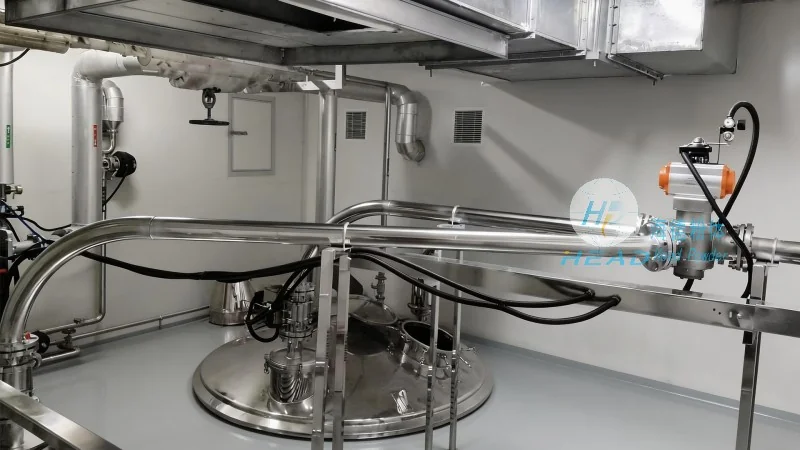
Working Principle of the Pneumatic Conveying System
The core of the sintered ash pneumatic conveying machine lies in its air-driven mechanism. The system operates by creating a pressure differential between the intake and discharge points. As compressed air is introduced into the conveying line, it draws the sintered ash particles into the pipeline. The air flow, controlled by a series of valves and regulators, maintains the material in a suspended state, preventing blockages and ensuring consistent transport. The design incorporates specialized components such as rotary valves and airlocks to manage the material's movement and prevent backflow, which is critical for maintaining system efficiency.
Key Components and Their Functions
Several critical components work in tandem to ensure the smooth operation of the sintered ash pneumatic conveying machine. The rotary airlock at the material inlet regulates the flow of sintered ash into the conveying line, preventing overloading and maintaining a steady feed rate. The conveying line itself is typically made of durable materials like stainless steel or high-density polyethylene to withstand the abrasive nature of sintered ash and resist corrosion. At the discharge end, another rotary airlock or a pressure relief valve controls the release of material, ensuring safe and controlled discharge. Additionally, the system includes a filter and dust collector to capture any airborne particles, enhancing safety and compliance with environmental regulations.
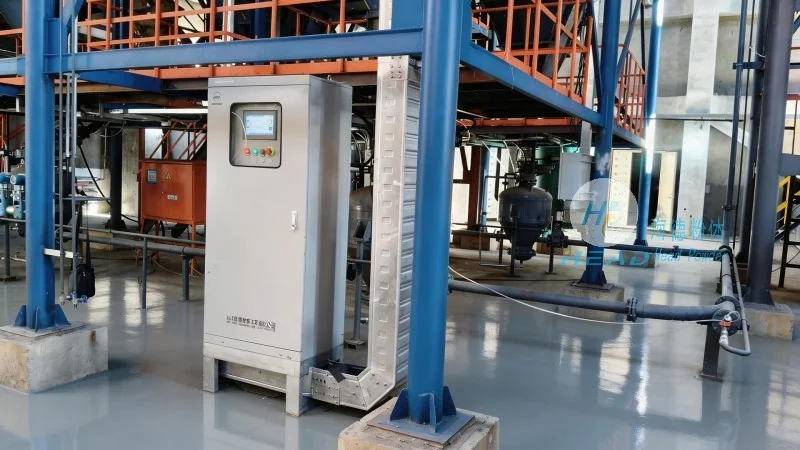
Operation Process: From Inlet to Outlet
The operation process of the sintered ash pneumatic conveying machine begins with the loading of sintered ash into the hopper. The rotary airlock at the hopper outlet then starts, feeding the material into the conveying line as compressed air is introduced. The air flow, generated by a blower or compressor, creates the necessary pressure to move the material through the pipeline. The material travels at high velocity, suspended in the air, until it reaches the discharge point. At the discharge end, the rotary airlock or valve opens, allowing the material to be released into the receiving container. The system continuously cycles, maintaining a consistent flow rate and minimizing downtime. This process is automated, with sensors monitoring pressure and flow rates to adjust the air supply as needed, ensuring optimal performance.
Advantages and Benefits for Industrial Applications
Implementing a sintered ash pneumatic conveying machine from Shandong HeadPowder Engineering Co., Ltd. offers numerous advantages for industrial operations. The primary benefit is the reduction in manual handling, which minimizes labor costs and improves workplace safety. The enclosed system prevents dust emissions, complying with environmental standards and reducing the risk of respiratory issues for workers. Additionally, the system is highly efficient, with minimal material loss and low maintenance requirements. The compact design of the equipment saves space in industrial facilities, making it suitable for both new installations and retrofitting existing systems. The reliability of the pneumatic conveying technology ensures consistent material transport, even for abrasive or sticky sintered ash, reducing the need for frequent equipment maintenance.

Customization and Application Flexibility
Shandong HeadPowder Engineering Co., Ltd. understands that industrial needs vary, and thus offers customized solutions for sintered ash pneumatic conveying machines. The company can tailor the system's capacity, pressure, and material handling capabilities to meet specific requirements. For example, larger facilities may require higher capacity systems with multiple conveying lines, while smaller operations might opt for a single-line setup. The company also considers the characteristics of the sintered ash, such as particle size and moisture content, to design the most effective components, such as the blower size and filter type. This customization ensures that the equipment operates at peak efficiency, maximizing the return on investment for the client.
Conclusion: A Reliable Solution for Sintered Ash Handling
Overall, the sintered ash pneumatic conveying machine from Shandong HeadPowder Engineering Co., Ltd. represents a cutting-edge solution for efficient material handling in industrial settings. By combining advanced pneumatic technology with robust design, the equipment ensures reliable transport of sintered ash while maintaining safety and environmental compliance. The company's expertise in engineering and manufacturing ensures that each system is tailored to meet the unique needs of the client, providing long-term performance and minimal operational costs. For facilities dealing with sintered ash, investing in such a system is a strategic decision that enhances operational efficiency and contributes to sustainable industrial practices.