

The Operation Process and Working Principle of a Ferrous Sulfate Pneumatic Conveyor
Shandong HeadPowder Engineering Co., Ltd. specializes in the design, manufacturing, and supply of advanced material handling equipment, including pneumatic conveyors for various industrial applications. One of their key products is the ferrous sulfate pneumatic conveyor, which is widely used in chemical processing, pharmaceuticals, and other industries to efficiently transport ferrous sulfate powder. This article provides a detailed overview of the operation process and working principle of such a conveyor system, highlighting its efficiency, reliability, and practical applications.
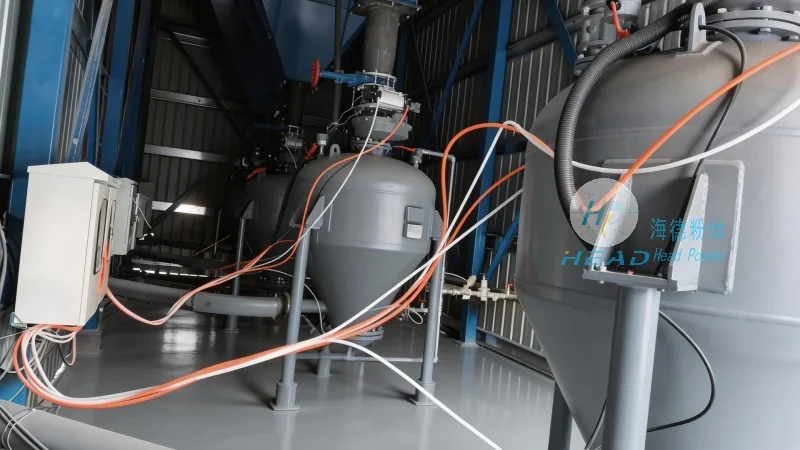
Overview of Ferrous Sulfate Pneumatic Conveyor
A ferrous sulfate pneumatic conveyor is a type of pneumatic conveying system designed to transport ferrous sulfate, a chemical compound commonly used in water treatment, as a dry powder. The system utilizes air or gas as the conveying medium to move the material from a source to a destination. This method offers several advantages over traditional mechanical conveyors, such as reduced maintenance, lower energy consumption, and the ability to handle materials in a dust-free environment. The conveyor is particularly suitable for transporting ferrous sulfate due to its fine particle size and hygroscopic nature, which can be challenging to handle with conventional systems.
The Working Principle of the Pneumatic Conveyor
The core of the ferrous sulfate pneumatic conveyor is the air flow mechanism that propels the material through the system. The process begins with the material being fed into a hopper or feeder, where it is then introduced into a pipeline. The conveyor system uses either positive pressure (pressure type) or negative pressure (vacuum type) to move the material. In a positive pressure system, compressed air is introduced at the discharge end, creating a high-pressure zone that pushes the material forward. In a negative pressure system, a vacuum is created at the discharge end, drawing the material through the pipeline. For ferrous sulfate, a positive pressure system is often preferred as it provides better control over the material flow and reduces the risk of dust generation.
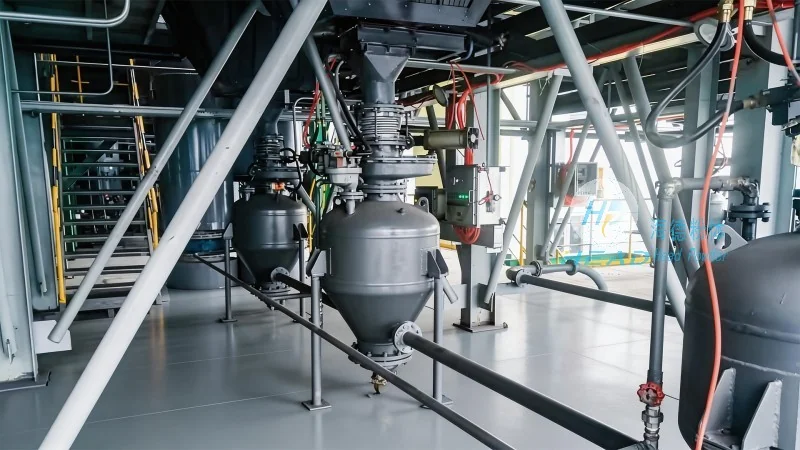
Key Components and Their Functions
The ferrous sulfate pneumatic conveyor consists of several key components, each playing a crucial role in the overall operation. These include the hopper or feeder, which stores and feeds the material; the air compressor or vacuum pump, which provides the necessary air or gas flow; the pipeline system, which transports the material; and the discharge device, which releases the material at the destination. The hopper is typically equipped with a feeder, such as a rotary valve or screw feeder, to control the flow rate of the ferrous sulfate. The air compressor generates compressed air, which is then filtered and regulated to ensure a consistent pressure and flow rate. The pipeline is made of materials resistant to corrosion and abrasion, such as stainless steel or polyethylene, to withstand the chemical properties of ferrous sulfate and the wear from the material particles. The discharge device, such as a rotary valve or gate valve, controls the release of the material at the receiving end, preventing backflow and ensuring a smooth discharge.
The Operation Process Step-by-Step
The operation of the ferrous sulfate pneumatic conveyor follows a systematic process, ensuring efficient and reliable material transport. The steps are as follows:
- Material Loading: Ferrous sulfate powder is loaded into the hopper. The hopper is designed to hold a sufficient quantity of material to maintain a consistent flow rate, preventing interruptions in the conveying process.
- Feeding and Air Intake: The feeder (e.g., rotary valve) starts to discharge the material into the pipeline. Simultaneously, the air compressor begins to supply compressed air into the pipeline. The air flow rate is adjusted to match the material flow rate, ensuring that the material is fully entrained and transported without segregation or blockages.
- Conveying: The compressed air pushes the ferrous sulfate particles through the pipeline. The air velocity is maintained at a level that is sufficient to keep the material suspended and prevent it from settling or clogging the pipeline. The pipeline is typically inclined slightly to facilitate the movement of the material, especially in positive pressure systems.
- Discharge: At the receiving end, the air flow is reduced or stopped, and the material is discharged from the pipeline through the discharge device. The discharge device controls the flow rate and prevents backflow, ensuring that the material is delivered to the target location without spillage or contamination.
- System Maintenance: Regular maintenance is performed to ensure the smooth operation of the conveyor. This includes checking the air compressor for proper pressure and flow, inspecting the pipeline for blockages or wear, and cleaning the hopper and feeder to prevent material buildup. Proper maintenance helps to extend the lifespan of the equipment and maintain its efficiency.
Advantages of Using a Ferrous Sulfate Pneumatic Conveyor
There are several advantages to using a ferrous sulfate pneumatic conveyor over other material handling methods. These include:
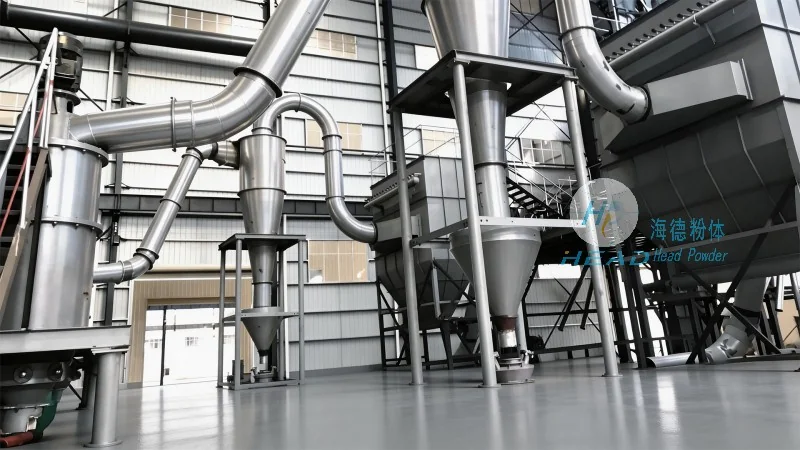
- Efficiency and Speed: The pneumatic conveyor can transport ferrous sulfate at high speeds, reducing the time required for material movement and increasing overall productivity.
- Low Maintenance: Compared to mechanical conveyors, pneumatic conveyors have fewer moving parts, which reduces the risk of wear and tear and lowers maintenance costs.
- Dust-Free Environment: The enclosed pipeline system prevents dust from being released into the air, improving workplace safety and reducing the risk of respiratory issues for workers.
- Flexibility: The system can be easily modified or expanded to accommodate changes in material flow rates or destination locations, making it suitable for various industrial applications.
- Energy Efficiency: The use of compressed air as the conveying medium is more energy-efficient than traditional mechanical systems, reducing operational costs.
Applications and Industries
The ferrous sulfate pneumatic conveyor is widely used in various industries where ferrous sulfate is processed or handled. These include:
- Water Treatment: Ferrous sulfate is commonly used as a coagulant in water treatment plants to remove impurities and improve water quality. The pneumatic conveyor is used to transport the ferrous sulfate from storage to the treatment facilities.
- Pharmaceuticals: In pharmaceutical manufacturing, ferrous sulfate is used as an ingredient in various medications. The conveyor system ensures that the material is transported safely and efficiently to the production lines.
- Chemical Manufacturing: Ferrous sulfate is used in the production of other chemical compounds, and the pneumatic conveyor helps to transport it between different stages of the manufacturing process.
- Food and Beverage: In some food processing applications, ferrous sulfate is used as a nutrient supplement. The conveyor system ensures that the material is handled hygienically and transported to the processing areas.
Conclusion
The ferrous sulfate pneumatic conveyor is an efficient and reliable solution for transporting ferrous sulfate powder in various industrial applications. By understanding the operation process and working principle of the system, users can optimize its performance and ensure safe and effective material handling. Shandong HeadPowder Engineering Co., Ltd. provides high-quality pneumatic conveyor systems that meet the specific needs of their clients, ensuring that ferrous sulfate is transported with minimal risk and maximum efficiency.