

Operation Process and Working Principle of Nickel Sulfate Crystallization Pneumatic Conveying Machin
HeadPowder, a leading manufacturer based in Shandong, China, specializes in the design and production of advanced pneumatic conveying systems for various industrial applications. The Nickel Sulfate Crystallization Pneumatic Conveying Machine is a sophisticated piece of equipment engineered to efficiently handle the transportation of crystalline nickel sulfate, a critical component in many chemical processes. This machine combines precision engineering with robust operational capabilities, ensuring reliable and consistent performance in industrial settings.
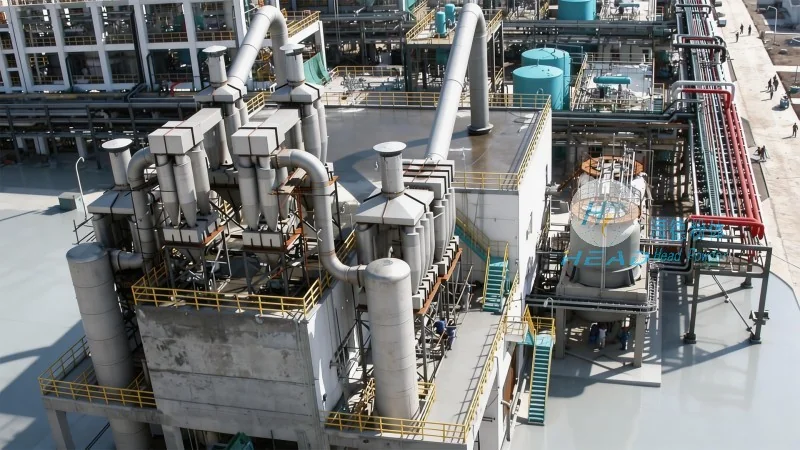
Working Principle of the Pneumatic Conveying System
The core of the Nickel Sulfate Crystallization Pneumatic Conveying Machine lies in its pneumatic conveying technology, which utilizes compressed air to transport solid particles through a pipeline. The system operates by creating a pressure differential between the inlet and outlet of the conveying line. As compressed air is introduced into the hopper or feed section, it lifts and propels the crystalline nickel sulfate particles into the pipeline. The design incorporates a series of components, including a feed hopper, air lock, and pipeline system, all working in tandem to ensure smooth and continuous material transfer. The machine is equipped with adjustable air flow controls and pressure sensors to maintain optimal conveying conditions, preventing blockages and ensuring efficient material movement.
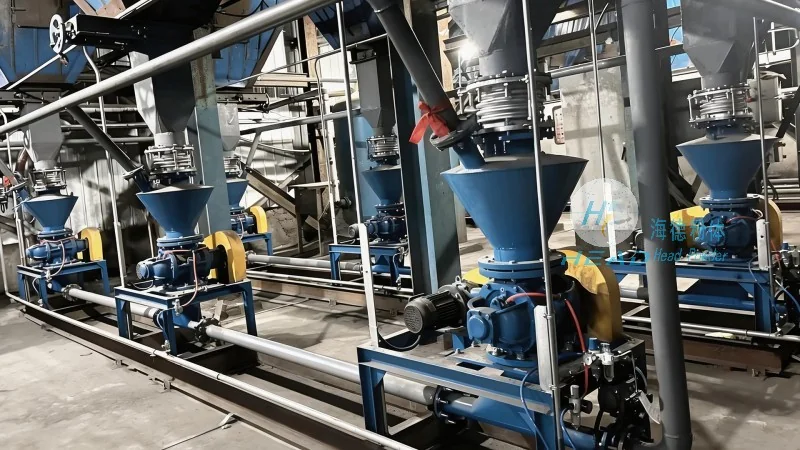
Operation Process: Step-by-Step Overview
The operation of the Nickel Sulfate Crystallization Pneumatic Conveying Machine follows a systematic process that ensures safe and effective material handling. The process begins with the loading of crystalline nickel sulfate into the feed hopper. The hopper is designed with a sloped bottom to facilitate the uniform discharge of material. Once the hopper is filled, the air lock mechanism is activated, which allows air to enter while preventing the material from escaping. Compressed air is then introduced into the hopper, creating a pressure that lifts the material into the pipeline. The material travels through the pipeline under the force of the air current, reaching the discharge point where it is deposited into the receiving container. The system continuously monitors air pressure and flow rates, adjusting parameters as needed to maintain consistent performance. This process ensures that the crystalline nickel sulfate is transported without degradation, maintaining its quality and integrity throughout the conveying operation.
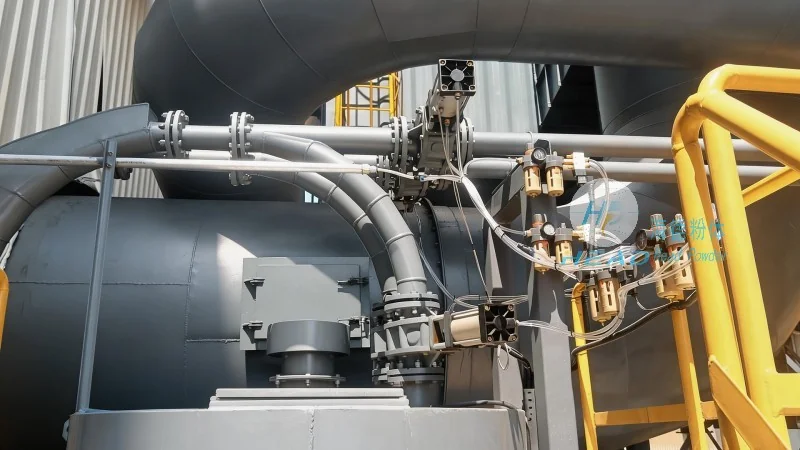
Key Features and Advantages
HeadPowder's Nickel Sulfate Crystallization Pneumatic Conveying Machine offers several key features that enhance its performance and reliability. The machine is constructed with high-quality materials, including corrosion-resistant components, to withstand the chemical properties of nickel sulfate and the effects of compressed air. The design incorporates a self-cleaning mechanism to prevent material buildup and blockages, ensuring long-term operational efficiency. The system also features adjustable speed controls and pressure monitoring, allowing operators to customize the conveying process according to specific application requirements. Additionally, the machine is equipped with safety features, such as pressure relief valves and emergency shut-off mechanisms, to protect against potential hazards and ensure safe operation. These features make the machine suitable for various industrial applications, including chemical manufacturing, pharmaceutical production, and material processing.
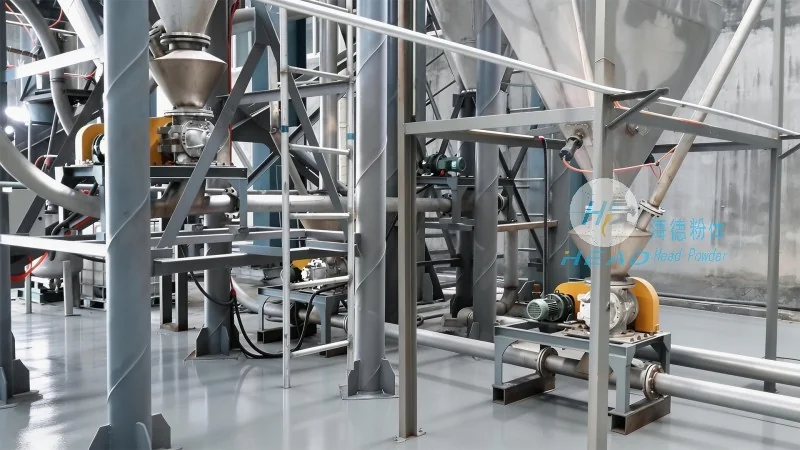
Application and Industry Relevance
The Nickel Sulfate Crystallization Pneumatic Conveying Machine is widely used in industries that require the efficient transportation of crystalline materials. In the chemical industry, it is essential for moving nickel sulfate from production lines to storage or processing facilities. The machine's ability to handle fine crystalline particles without degradation makes it ideal for applications where material quality is critical. Additionally, the system's compact design and low maintenance requirements make it suitable for facilities with limited space and operational budgets. The machine's reliability and efficiency contribute to improved production throughput and reduced downtime, making it a valuable asset for industrial operations.