

Operation Process and Working Principle of Powder Conveying from Ash Silos
Understanding the operation process and working principle of powder conveying from ash silos is crucial for optimizing industrial processes in power plants and related facilities. This article provides a detailed overview of the mechanisms involved, focusing on the technical aspects and operational efficiency of such systems, presented by Shandong HeadPowder Engineering Co., Ltd., a leading provider in the field based in China.
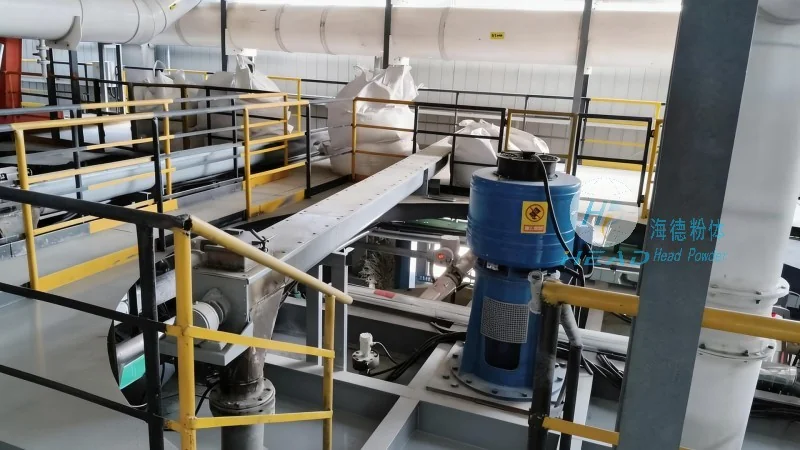
Introduction to Ash Silo Powder Conveying Systems
Power plants generate large volumes of fly ash and bottom ash, which need to be transported from ash silos to disposal or utilization sites. The powder conveying systems used for this purpose are designed to handle bulk materials efficiently, ensuring minimal dust generation and reliable performance. These systems typically integrate components such as feeders, conveyors, and control mechanisms to manage the flow of ash from storage silos to processing or disposal areas.
Key Components of the Powder Conveying System
The operation of a powder conveying system from an ash silo involves several critical components that work in tandem to ensure smooth material transfer. The primary components include:
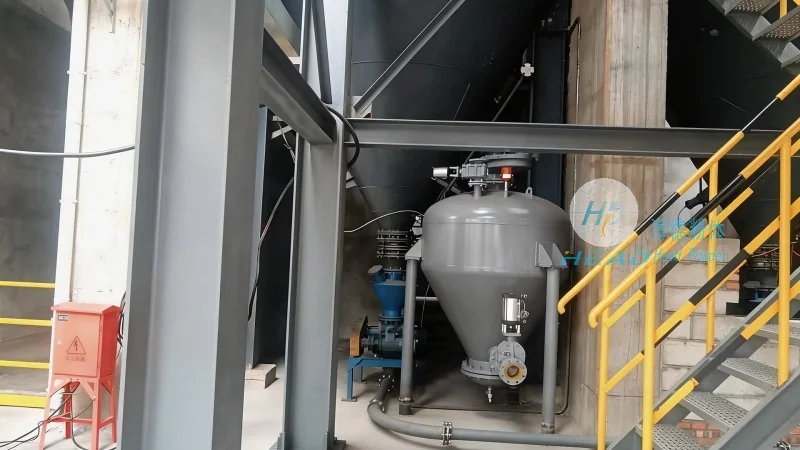
- Ash Silo: A large storage vessel where ash is collected after combustion processes. The silo is designed to maintain the material in a stable condition, preventing segregation and ensuring uniform feeding.
- Feeder: A device that regulates the flow of ash from the silo to the conveyor. Common types include rotary feeders, screw feeders, or vibratory feeders, which adjust the discharge rate based on system requirements.
- Pneumatic Conveying System: Many modern systems utilize air pressure to transport ash particles. This method involves injecting air into a pipeline, creating a flow that carries the powder through the system. The system may include a blower, filter, and receiver to manage air and material separation.
- Conveyor: The main component that transports ash from the silo to the destination. Options include belt conveyors, screw conveyors, or pneumatic pipelines, each chosen based on the material characteristics and distance to be covered.
- Control System: An automated system that monitors and adjusts the operation of the conveying process. Sensors and controllers ensure that the flow rate, pressure, and other parameters remain within optimal ranges, enhancing safety and efficiency.
Operation Process of the Powder Conveying System
The operation process of a powder conveying system from an ash silo typically follows a sequence of steps to ensure efficient material transfer. The process begins with the ash being stored in the silo, where it accumulates after combustion. The feeder then extracts the ash at a controlled rate, feeding it into the conveying system. Depending on the chosen method—such as pneumatic or mechanical—the ash is then transported through the pipeline or conveyor to the processing or disposal site.
During the conveying process, the system maintains consistent pressure and flow rates to prevent blockages or material degradation. The control system continuously monitors key parameters, such as pressure, temperature, and flow rate, and adjusts the operation in real-time. For example, if the pressure drops, the system may increase the air flow or adjust the feeder speed to maintain optimal conditions. This dynamic control ensures that the conveying process remains stable and efficient.
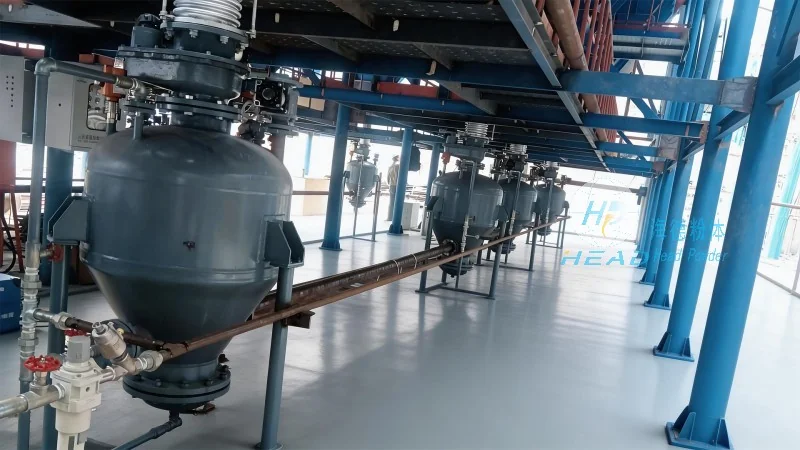
Working Principle of the Powder Conveying System
The working principle of a powder conveying system from an ash silo is based on the physics of material transport and air flow. In pneumatic systems, the core principle is the creation of a gas-solid flow where air acts as the carrier medium. The ash particles are suspended in the air stream, which moves them through the pipeline. The system uses a blower to generate the necessary air pressure, and a filter to remove any fine particles from the air before it is released back into the environment.
In mechanical systems, the principle involves the use of rotating components, such as screws or belts, to move the ash along the conveyor. The mechanical force applied by the feeder and conveyor ensures that the material is transported without segregation. The design of these components is critical to prevent material buildup and ensure smooth operation.
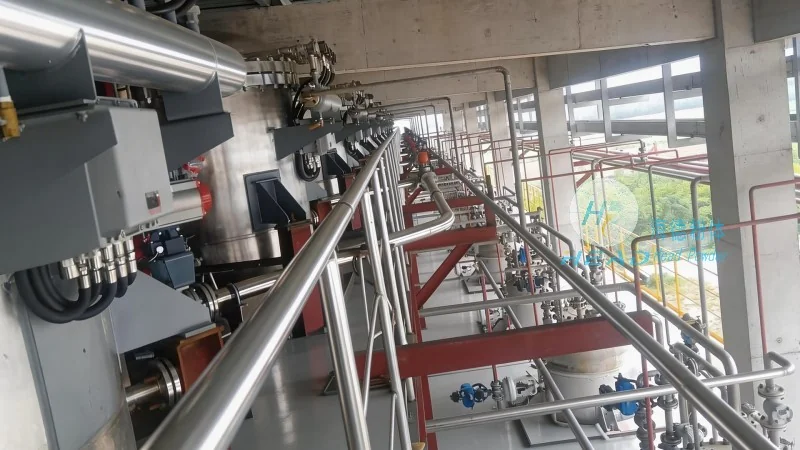
Benefits and Advantages of the System
Implementing a powder conveying system from an ash silo offers several benefits for industrial facilities. These include:
- Efficient Material Handling: The system allows for the continuous and automated transfer of large volumes of ash, reducing manual labor and operational time.
- Reduced Dust and Environmental Impact: Modern systems are designed with dust control measures, such as enclosed conveyors and filtration, to minimize environmental impact and ensure compliance with regulations.
- Enhanced Safety: Automated control systems and safety features, such as pressure relief valves and emergency stop mechanisms, reduce the risk of accidents and ensure safe operation.
- Cost-Effective Solution: By optimizing material flow and reducing downtime, the system helps lower operational costs and improve overall productivity.
Conclusion
Understanding the operation process and working principle of powder conveying from ash silos is essential for maintaining efficient and safe industrial operations. The systems developed by Shandong HeadPowder Engineering Co., Ltd. leverage advanced technology and engineering expertise to provide reliable solutions for ash handling. By integrating proper components and control mechanisms, these systems ensure optimal performance, minimal environmental impact, and cost-effectiveness for power plants and related facilities.