

Operation Process and Working Principle of Dry Ash Powder Conveying System
Understanding the operation process and working principle of dry ash powder conveying systems is crucial for optimizing industrial processes in power plants and related facilities. These systems are designed to handle the transportation of dry ash, a byproduct of combustion processes, efficiently and safely. The following content provides a detailed overview of the system's functionality, supported by the expertise of Shandong HeadPowder Engineering Co., Ltd., a leading provider in this field.
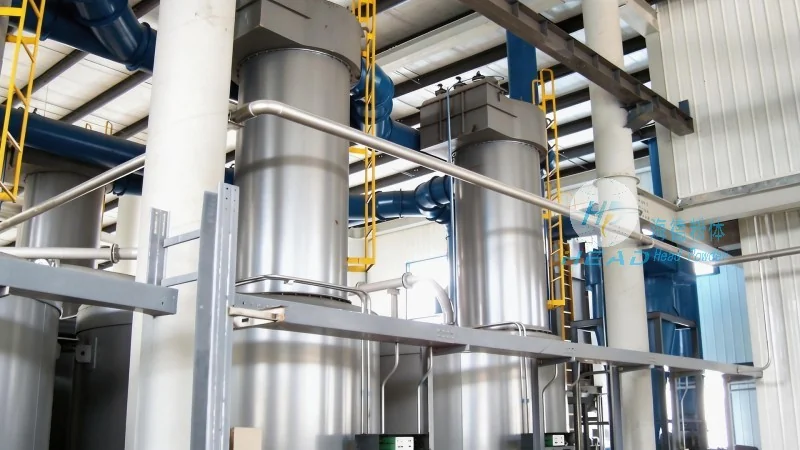
Company Background: Shandong HeadPowder Engineering Co., Ltd.
HeadPowder, as the company is commonly known, is a professional enterprise based in Shandong, China. With a strong commitment to technological innovation and quality service, HeadPowder specializes in the design, manufacturing, and installation of dry ash powder conveying systems. The company's operational base in Shandong positions it strategically to serve a wide range of industrial clients, leveraging local resources and expertise to deliver reliable solutions for ash handling challenges.
Key Components and Their Roles
The dry ash powder conveying system typically consists of several key components, each playing a vital role in the overall operation. These components include ash hoppers, feeding mechanisms, conveyor lines (such as pneumatic or mechanical conveyors), and control systems. The ash hopper serves as the primary storage unit, collecting ash from boilers or other combustion sources. The feeding mechanism then transfers the ash from the hopper into the conveyor system, ensuring a consistent flow. The conveyor line, whether pneumatic (using air pressure to move particles) or mechanical (using belts or screws), transports the ash to designated disposal or processing locations. The control system monitors and regulates the entire process, maintaining optimal operational parameters and ensuring safety.
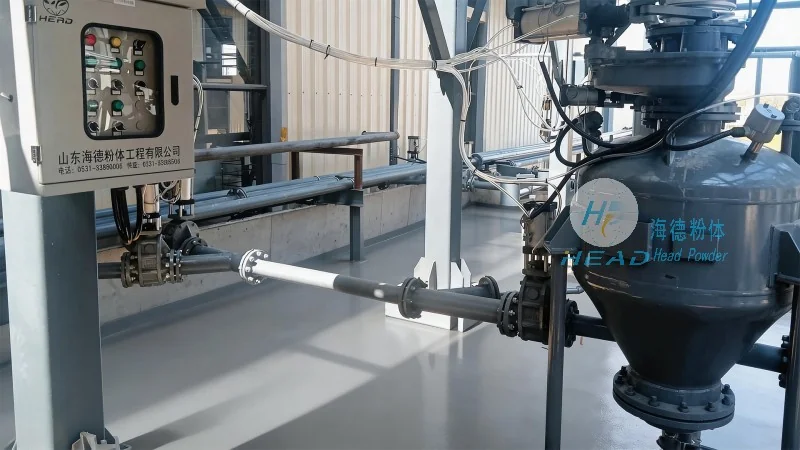
Operation Process: Step-by-Step Overview
The operation of a dry ash powder conveying system follows a systematic sequence of steps, each designed to ensure efficient and safe ash transportation. The process begins with ash accumulation in the hopper. Once the hopper reaches a certain level, the feeding mechanism activates, releasing the ash into the conveyor line. For pneumatic systems, the ash is mixed with air and propelled through the pipeline under pressure. Mechanical systems, on the other hand, use rotating screws or belts to move the ash along the conveyor path. The control system continuously monitors the flow rate, pressure, and other parameters, adjusting the operation as needed to prevent blockages or system failures. The ash is then delivered to the final destination, such as a landfill, recycling facility, or other processing site, where it can be utilized or disposed of appropriately.
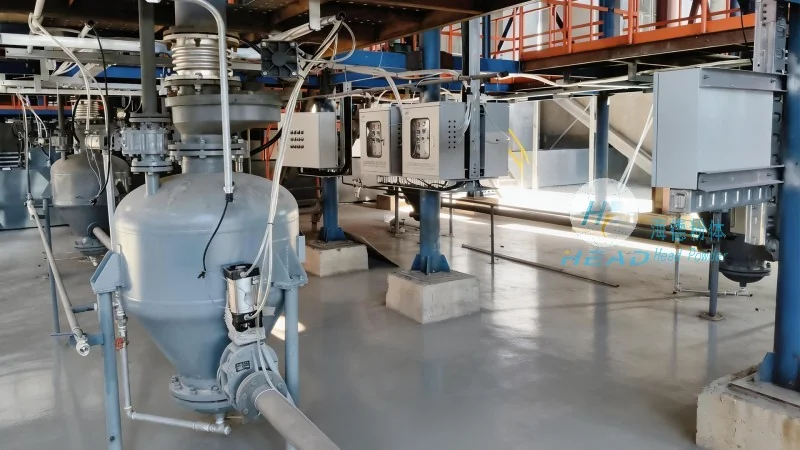
Working Principle: How the System Transfers Dry Ash
The working principle of dry ash powder conveying systems revolves around the efficient transfer of fine particulate matter. In pneumatic conveying systems, the core mechanism involves creating a pressure differential between the hopper and the discharge point. By injecting air into the system, the ash particles are suspended and carried through the pipeline. The air pressure ensures that the particles move at a controlled speed, preventing clogging and maintaining system efficiency. Mechanical conveying systems, such as screw conveyors, rely on the rotational motion of screws to push the ash forward. The design of the screw, including its pitch and diameter, is optimized to handle the specific characteristics of dry ash, ensuring smooth and consistent movement. Both types of systems are designed to minimize dust emissions and maintain environmental compliance, making them suitable for various industrial applications.
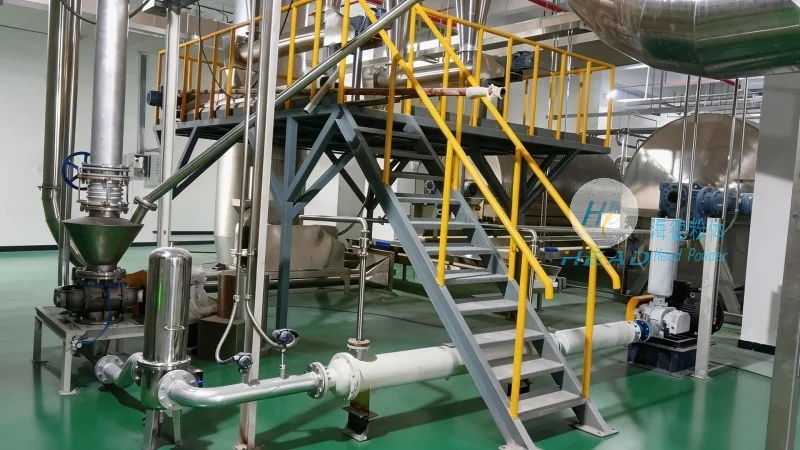
Benefits and Applications
Dry ash powder conveying systems offer numerous benefits, including improved operational efficiency, reduced labor costs, and enhanced safety. By automating the ash handling process, these systems minimize the need for manual intervention, reducing the risk of accidents and exposure to hazardous materials. The systems also contribute to environmental sustainability by ensuring proper disposal or recycling of ash, which can be a valuable resource in some applications. HeadPowder's systems are widely used in power plants, cement factories, and other industrial facilities where ash management is critical. The company's expertise in customizing systems to meet specific client needs ensures that each installation is tailored to the unique requirements of the operation.
Conclusion
In conclusion, the operation process and working principle of dry ash powder conveying systems are integral to modern industrial operations, particularly in power generation and related sectors. The systems, designed and manufactured by companies like Shandong HeadPowder Engineering Co., Ltd., provide efficient, safe, and environmentally friendly solutions for ash transportation. By understanding the key components, operation steps, and working principles, industries can optimize their ash handling processes, leading to improved productivity and reduced operational costs. HeadPowder continues to lead in this field, offering innovative and reliable systems that meet the evolving needs of industrial clients.