

Operation Process and Working Principle of Cotton Fiber Powder Conveying System
Shandong HeadPowder Engineering Co., Ltd., a leading provider of powder handling solutions, specializes in the design and implementation of advanced systems for the cotton fiber industry. The cotton fiber powder conveying system is a critical component in modern textile processing, ensuring efficient and reliable transportation of raw cotton fibers from storage to processing units. With a focus on precision, durability, and safety, the system is engineered to meet the unique demands of handling fine, lightweight, and often dusty cotton fibers, which require specialized equipment to maintain quality and prevent contamination. The company’s headquarters is located in Shandong, China, where it leverages local expertise and resources to deliver high-quality solutions tailored to the needs of the textile sector.
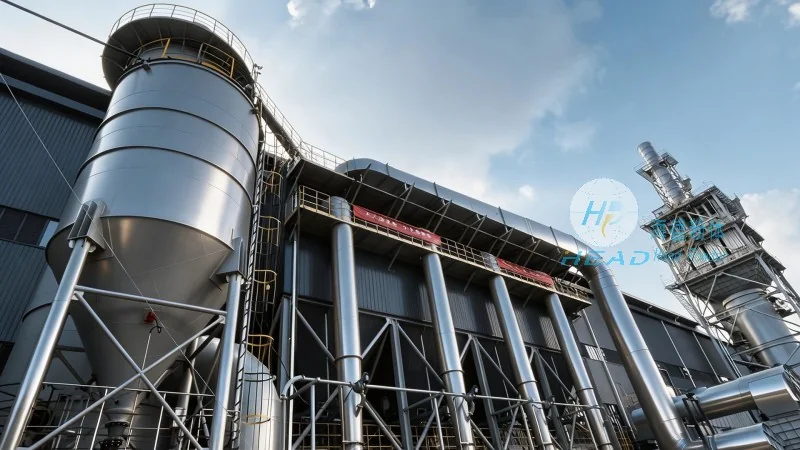
Overview of the Cotton Fiber Powder Conveying System
The cotton fiber powder conveying system is a comprehensive solution that integrates multiple components to achieve seamless material flow. Key elements include bulk material feeders, pneumatic conveying lines, dust collection systems, and control panels. The system is designed to handle varying feed rates and material characteristics, ensuring consistent performance under different operational conditions. Each component is selected to complement the others, creating a cohesive unit that minimizes downtime and maximizes productivity. The system’s modular design allows for easy expansion or modification as production needs evolve, providing long-term value to the end-user.
Operation Process of the Cotton Fiber Powder Conveying System
The operation of the cotton fiber powder conveying system begins with the loading of raw cotton fibers into the bulk storage silo. From there, the material is fed into the system via a rotary valve or screw feeder, which regulates the flow rate to match the processing requirements. The fibers are then transported through the pneumatic conveying line using compressed air, which propels the material through the system. The conveying line typically consists of straight and curved sections, with in-line filters and separators to remove any debris or dust particles. At the receiving end, the fibers are deposited into the processing equipment, such as carding machines or blending units. The entire process is monitored by a centralized control system, which adjusts parameters like air pressure and feed rate in real-time to maintain optimal performance. The system is designed to operate continuously, with minimal manual intervention required, ensuring a stable and efficient workflow.
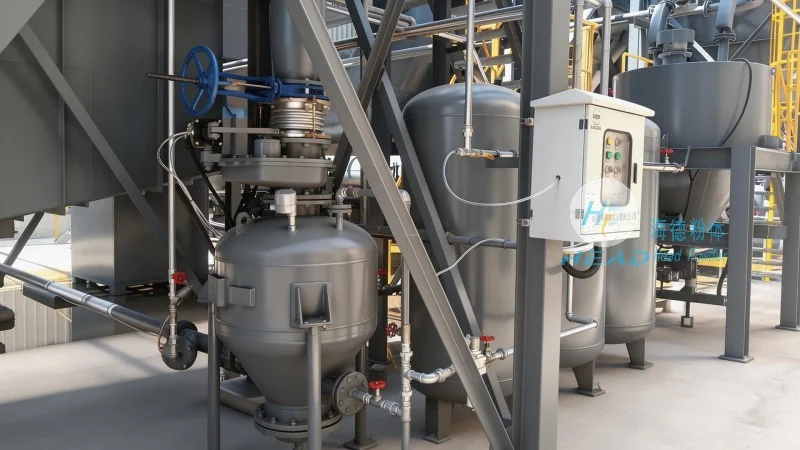
Working Principle of the Cotton Fiber Powder Conveying System
The core working principle of the cotton fiber powder conveying system is pneumatic transport, where compressed air is used to move the material through a sealed pipeline. The system operates on the principle of differential pressure, where the air pressure inside the conveying line is higher than the ambient pressure, creating a pressure differential that drives the material forward. The rotary valve or screw feeder provides a controlled feed of cotton fibers into the conveying line, ensuring a consistent flow. The air and material mixture travels through the pipeline, with the air acting as the medium for transport. At the receiving end, a cyclone separator or filter separates the fibers from the air, allowing the fibers to be collected while the air is recirculated or discharged. This separation process is crucial for maintaining the purity of the cotton fibers and preventing dust accumulation in the system. The air is typically filtered and cleaned before being returned to the system or discharged, ensuring compliance with environmental regulations and maintaining a clean working environment.
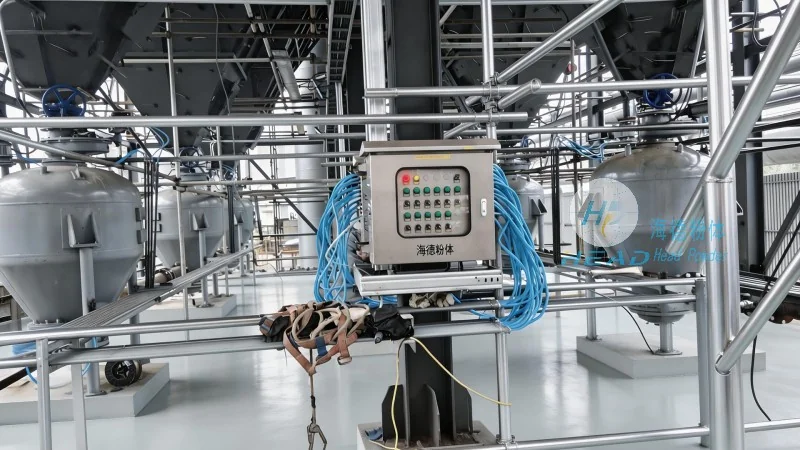
Technical Features and Advantages
The cotton fiber powder conveying system developed by Shandong HeadPowder Engineering Co., Ltd. incorporates several technical features that enhance its performance and reliability. One key feature is the use of high-efficiency rotary valves, which provide precise control over the material feed rate, preventing overloading or underfeeding. The pneumatic conveying lines are constructed from corrosion-resistant materials, such as stainless steel, to ensure durability and resistance to the acidic or alkaline properties of cotton fibers. The system also includes advanced dust collection and filtration systems, which capture fine particles and maintain a clean working environment. Additionally, the control system is equipped with sensors and alarms that detect abnormalities, such as pressure drops or blockages, allowing for immediate intervention and minimizing potential damage to the equipment. The system’s energy-efficient design reduces operational costs, making it a cost-effective solution for long-term use.
Conclusion
The cotton fiber powder conveying system is an essential technology for modern cotton processing facilities, enabling efficient and safe transportation of raw cotton fibers. By integrating advanced components and control systems, the system ensures consistent performance, high material quality, and minimal downtime. Shandong HeadPowder Engineering Co., Ltd. has demonstrated expertise in designing and manufacturing such systems, providing reliable solutions for the textile industry. The system's ability to handle fine, lightweight materials with precision makes it a valuable asset for any cotton processing operation. With its focus on durability, efficiency, and safety, the system meets the evolving needs of the textile sector, contributing to improved productivity and product quality.