

The Operation Process and Working Principle of Joint Compound Material Conveying
For construction projects, the efficient and reliable transportation of joint compound materials is crucial for ensuring smooth workflow and high-quality finishing results. This article provides a detailed overview of the operation process and working principles of joint compound material conveying systems, focusing on the technical aspects and practical applications in the construction industry. By understanding these processes, professionals can optimize material handling, reduce downtime, and enhance overall project efficiency.
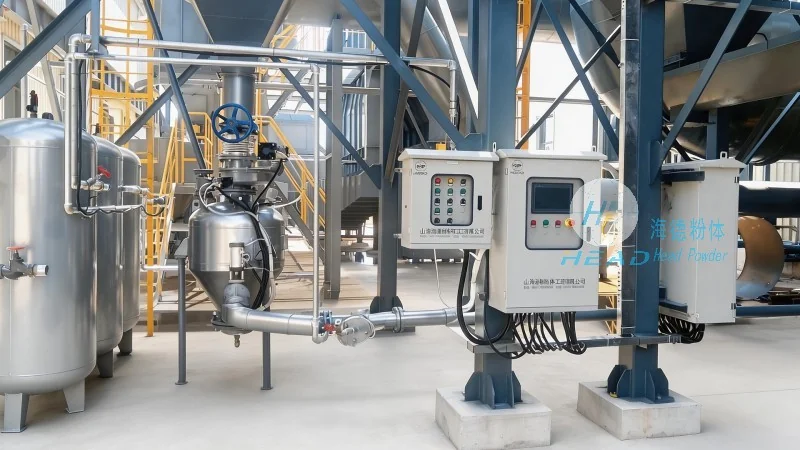
HeadPowder, a leading manufacturer in the field, specializes in providing advanced material conveying solutions tailored to the needs of construction and industrial applications. With a strong commitment to quality and innovation, the company has developed state-of-the-art systems that ensure the safe and efficient transport of joint compound materials from storage to application points. The following sections will delve into the key components, operational steps, and underlying principles that govern the performance of these conveying systems.
Key Components of Joint Compound Material Conveying Systems
The core components of a joint compound material conveying system typically include a hopper or storage bin, a conveyor mechanism (such as a screw conveyor or pneumatic conveyor), a control system, and a discharge or application unit. Each component plays a vital role in the overall operation, working in harmony to ensure seamless material transport. The hopper is designed to hold the joint compound, providing a stable and controlled feed to the conveyor. It often features a sloped bottom to facilitate material flow and may include a level indicator to monitor the material level. The conveyor mechanism, which can be either mechanical (e.g., screw or belt) or pneumatic (air-driven), is responsible for moving the material from the hopper to the desired location. Screw conveyors, for instance, use rotating screws to push material forward, while pneumatic conveyors utilize compressed air to transport the material through a pipeline.
Control systems are integral to managing the conveying process, allowing operators to adjust parameters such as speed, pressure, and flow rate. These systems may include sensors to detect material levels, pressure gauges to monitor air or mechanical pressure, and control panels to regulate the operation of the conveyor. The discharge or application unit is where the material is released for use, such as into a mixing machine or directly onto a construction surface. This unit may include features like a valve or nozzle to control the output and ensure precise application.
The Operation Process of Joint Compound Material Conveying
The operation process of a joint compound material conveying system involves several sequential steps that ensure the material is transported efficiently and safely. The first step is the loading of the joint compound into the hopper. This is typically done manually or via an automated feeding system, depending on the scale of the operation. Once the hopper is filled, the control system activates the conveyor mechanism, initiating the material transport. The conveyor then moves the material from the hopper to the discharge point, where it is either stored in a secondary container or directly fed into the application equipment.
During the conveying process, the system continuously monitors key parameters to maintain optimal performance. For example, in a pneumatic conveyor, the pressure is adjusted to ensure the material moves at a consistent speed without causing blockages or excessive wear on the system components. In a screw conveyor, the rotation speed is controlled to prevent material buildup or overloading the mechanism. The control system may also include safety features, such as emergency stop buttons or overload protection, to prevent accidents and equipment damage.

As the material reaches the discharge point, it is either collected in a container for further processing or directly applied to the construction surface. The discharge rate can be adjusted based on the requirements of the application, ensuring that the material is delivered at the right pace. After the material has been fully conveyed, the system is typically shut down and the hopper is emptied for the next batch of joint compound. This cycle repeats as needed, providing a continuous supply of material for construction projects.
Working Principles of Joint Compound Material Conveying
The working principles of joint compound material conveying systems are based on fundamental physics and engineering principles that govern the movement of materials. The primary principle is the transfer of energy from the conveyor mechanism to the material, enabling it to move against gravity or through a pipeline. In mechanical conveyors, this energy is transferred through the rotation of screws or belts, which exert a force on the material particles, pushing them forward. The friction between the material and the conveyor surface, as well as the shape of the conveyor components, affects the efficiency of material transport.
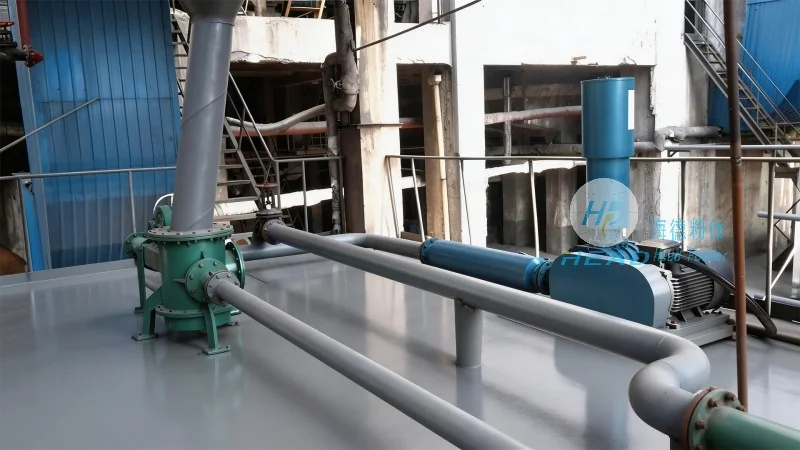
In pneumatic conveyors, the working principle relies on the use of compressed air to create a pressure differential that propels the material through the system. The air is introduced into the hopper or conveyor, creating a flow that carries the material particles along with it. The velocity of the air and the size of the particles determine the efficiency of the transport. Larger particles may require higher air pressure to move effectively, while smaller particles can be transported at lower pressures. The system also utilizes air filters and separators to remove any debris or moisture from the material, ensuring that the delivered material is clean and free from contaminants.
Another key principle is the management of material flow and pressure. In both mechanical and pneumatic systems, maintaining a consistent flow rate is essential to prevent blockages and ensure smooth operation. The control system plays a critical role in regulating these parameters, adjusting the speed of the conveyor or the pressure of the air as needed. Additionally, the design of the hopper and conveyor components, such as the slope of the hopper and the diameter of the screw or pipe, is optimized to minimize friction and maximize material movement. This design consideration ensures that the system operates efficiently and reduces energy consumption.
Applications and Benefits of Joint Compound Material Conveying Systems
Joint compound material conveying systems are widely used in various construction applications, including drywall finishing, plastering, and interior decoration. These systems are particularly beneficial in large-scale projects where manual handling of joint compound is impractical or inefficient. By automating the material transport process, construction teams can improve productivity, reduce labor costs, and enhance the quality of the finished surface.
One of the primary benefits of these systems is the ability to maintain consistent material quality. Since the material is stored in a controlled environment and transported without manual handling, the risk of contamination or segregation is minimized. This ensures that the joint compound applied to the construction surface has uniform properties, leading to better adhesion and a smoother finish. Additionally, the systems allow for precise control over the discharge rate, which is crucial for achieving the desired thickness and texture of the joint compound.
Another advantage is the reduction in labor and time. Manual handling of joint compound can be physically demanding and time-consuming, especially for large quantities. The conveying systems automate the process, allowing workers to focus on other tasks while the system handles the material transport. This not only increases efficiency but also reduces the risk of workplace injuries associated with manual lifting and handling.
Furthermore, the use of advanced control systems enables real-time monitoring and adjustment of the conveying process. Operators can track key parameters such as material levels, pressure, and flow rate, and make adjustments as needed to optimize performance. This level of control helps prevent equipment failures and ensures that the system operates at peak efficiency. The result is a more reliable and consistent material supply, which is essential for meeting project deadlines and maintaining high-quality standards.
Conclusion
In conclusion, the operation process and working principles of joint compound material conveying systems are critical to the success of construction projects. By understanding the key components, operational steps, and underlying principles, professionals can select and implement the most suitable system for their needs. HeadPowder, with its expertise in material conveying solutions, provides high-quality systems that enhance efficiency, reduce costs, and improve the quality of construction projects. As the construction industry continues to evolve, the importance of efficient material handling will only grow, making advanced conveying systems like those offered by HeadPowder essential for modern construction practices.