

Operation Process and Working Principle of Pneumatic Conveying for Pigment Powders
Shandong HeadPowder Engineering Co., Ltd., commonly known as HeadPowder, specializes in the design, manufacturing, and installation of advanced pneumatic conveying systems tailored for the handling of pigment powders. With a focus on efficiency and reliability, our systems are engineered to meet the demanding requirements of the powder handling industry. Located in Shandong, China, HeadPowder leverages years of expertise to deliver solutions that enhance material flow, reduce downtime, and improve overall operational performance for clients worldwide.
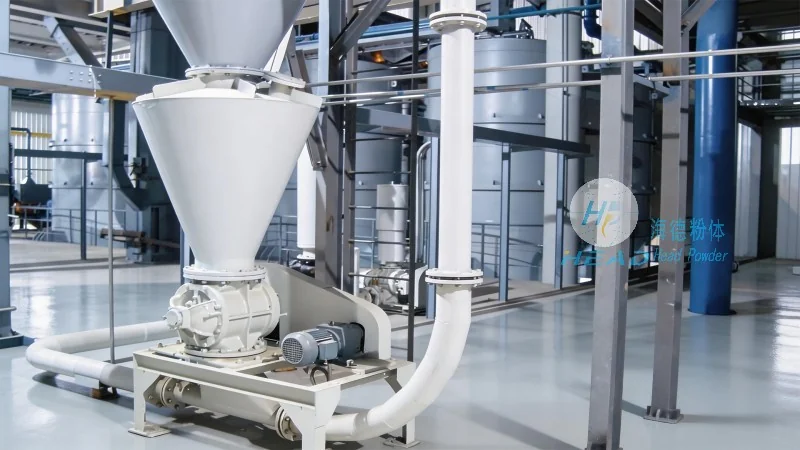
Understanding Pneumatic Conveying: A Core Technology for Powder Handling
Pneumatic conveying is a method of transporting bulk materials, such as pigment powders, through a pipeline using pressurized air or vacuum. This technology offers a flexible and efficient alternative to traditional mechanical conveying methods like screw conveyors or bucket elevators. The system typically consists of a hopper, a conveyor line, and a receiver, all connected by a network of pipes. The primary advantage of pneumatic conveying is its ability to handle materials with varying particle sizes and moisture content, making it suitable for a wide range of applications in the pigment and powder processing industries.
The Operation Process of a Pneumatic Conveying System
The operation process of a pneumatic conveying system for pigment powders involves several key steps that ensure smooth and continuous material transport. First, the pigment powder is fed into the hopper from a storage silo or a batch mixer. The hopper is equipped with a feeder, such as a rotary valve or a vibratory feeder, which controls the flow rate of the material into the conveyor line. As the material enters the pipeline, it is entrained by a stream of air generated by a positive displacement blower or a vacuum pump. The air and powder mixture travels through the pipeline to the receiver, where the material is separated from the air and collected in a designated container. The air is then filtered and discharged, completing the cycle. This process is typically automated, with sensors and control systems monitoring pressure, flow rate, and material level to maintain optimal performance.
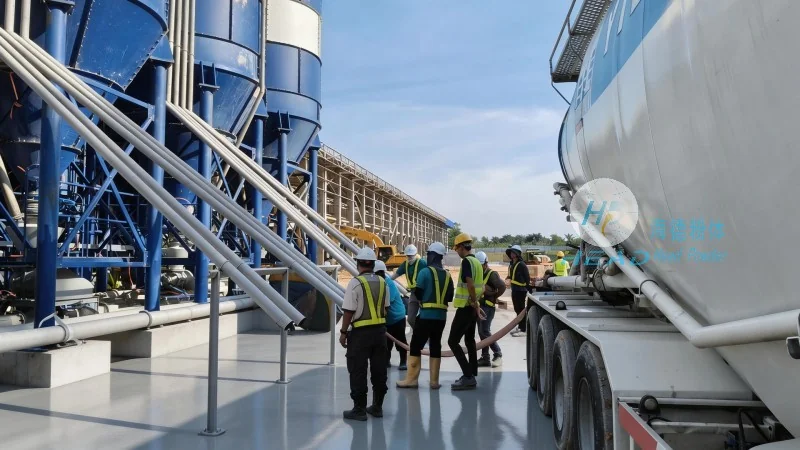
Working Principle of Pneumatic Conveying for Pigment Powders
The working principle of pneumatic conveying relies on the interaction between the material particles and the air stream. In a positive pressure system, the blower creates a pressure higher than the ambient air, forcing the air and powder mixture through the pipeline. The air velocity is maintained above the minimum conveying velocity, which is the speed at which the powder particles are lifted and transported without settling. This velocity is determined by factors such as particle size, density, and the system's design. In a vacuum system, a vacuum pump creates a lower pressure than the ambient air, drawing the powder and air mixture into the pipeline. The separation of material from air occurs in the receiver, where the material settles due to gravity while the air is filtered and released. The efficiency of the system depends on the proper design of the hopper, feeder, and pipeline, as well as the selection of appropriate air velocity and pressure.
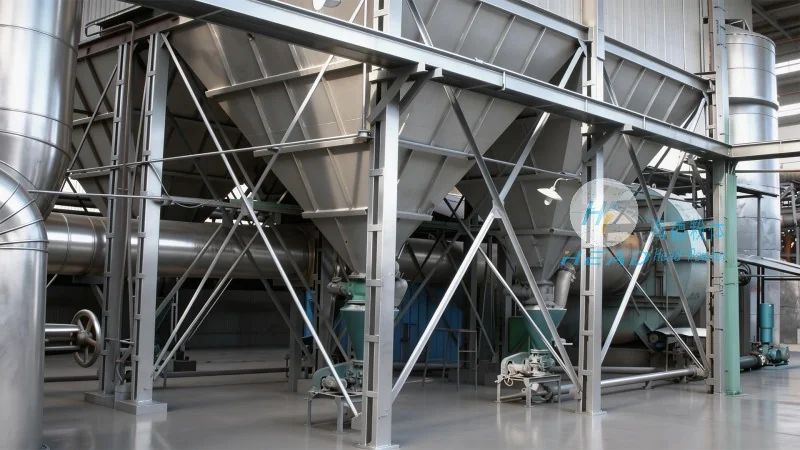
Key Components and Their Roles in the System
Several critical components contribute to the effective operation of a pneumatic conveying system for pigment powders. The hopper serves as the storage and feeding vessel, ensuring a consistent supply of material to the system. The feeder, often a rotary valve or a vibratory feeder, regulates the flow rate of the powder, preventing overloading or underloading of the conveyor line. The blower or vacuum pump provides the necessary air pressure or vacuum to move the material. The pipeline network connects all components and must be designed to minimize pressure drop and ensure smooth flow. The receiver collects the conveyed material and may include a filter to remove any residual air or dust. Each component must be properly sized and maintained to ensure the system operates efficiently and reliably.
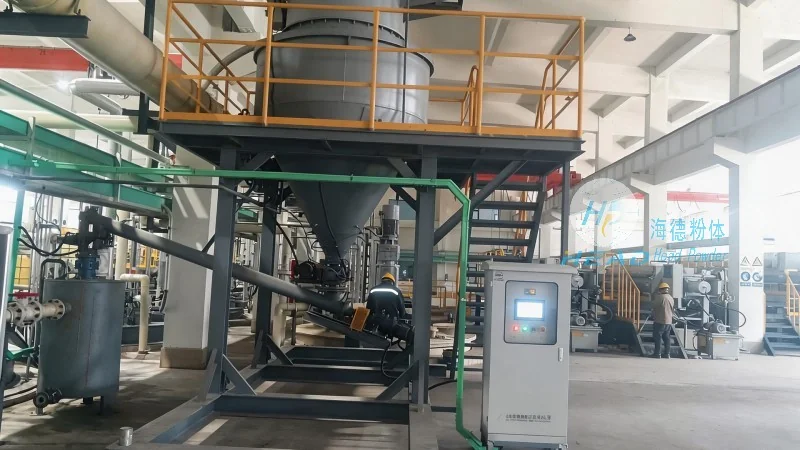
Advantages of Pneumatic Conveying for Pigment Powders
Pneumatic conveying offers several advantages over traditional mechanical conveying methods, making it a preferred choice for handling pigment powders. First, it provides a closed system, which helps prevent dust contamination and environmental pollution. This is particularly important for pigments, which can be hazardous if released into the air. Second, the system is flexible and can handle materials with varying particle sizes and moisture content. Third, it reduces the risk of material degradation due to minimal contact with equipment. Fourth, the system can be easily integrated with other processing equipment, such as mixers or dryers, to form a complete production line. Finally, pneumatic conveying can improve safety by eliminating the need for manual handling of powders, reducing the risk of accidents and exposure to harmful substances.
Applications and Industries Served by HeadPowder
HeadPowder's pneumatic conveying systems are used in a variety of industries that require the handling of pigment powders. These include the paint and coatings industry, where pigments are used to create various colors and finishes. The printing industry also relies on pneumatic conveying for transporting inks and pigments to printing presses. The plastics and rubber industry uses these systems to handle colorants and fillers. Additionally, the pharmaceutical and food industries may use pneumatic conveying for certain types of pigments, though with additional safety and hygiene considerations. HeadPowder's systems are designed to meet the specific requirements of each industry, ensuring optimal performance and compliance with industry standards.