

Operation Process and Working Principle of Urea Powder Pneumatic Conveying
Urea powder pneumatic conveying systems are critical in modern industrial applications, particularly for the efficient and safe transport of urea, a key fertilizer and chemical compound. These systems utilize air or other gas streams to move bulk solid materials like urea powder through pipelines, offering advantages over traditional mechanical conveying methods such as reduced maintenance, lower energy consumption, and enhanced safety. Understanding the operation process and working principles of such systems is essential for optimizing performance and ensuring reliable material handling in various industrial settings.

Company Overview: HeadPowder Engineering
HeadPowder, or Shandong HeadPowder Engineering Co., Ltd., is a leading provider of specialized engineering solutions for bulk material handling, including pneumatic conveying systems. With a focus on innovation and customer-centric design, the company has established itself as a trusted partner in the chemical and fertilizer industries. HeadPowder's expertise lies in developing tailored solutions that meet the unique requirements of clients, ensuring efficient and reliable material transport while adhering to industry standards and safety protocols. The company's headquarters is located in Shandong, China, where it leverages local resources and advanced manufacturing capabilities to deliver high-quality products and services.
The Operation Process of Urea Powder Pneumatic Conveying
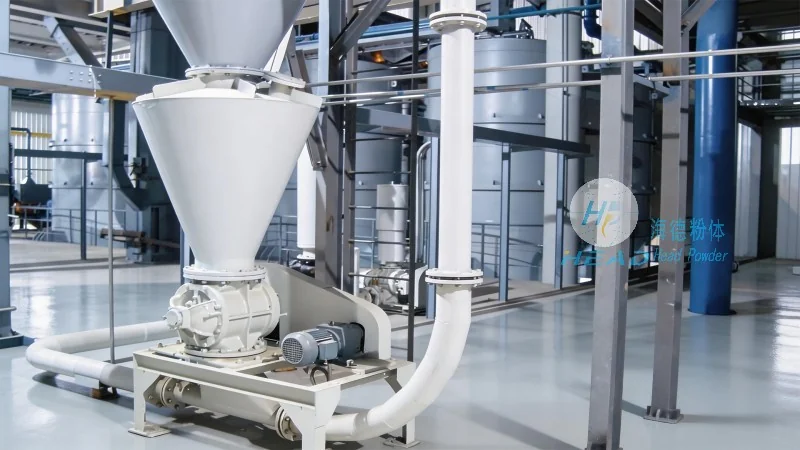
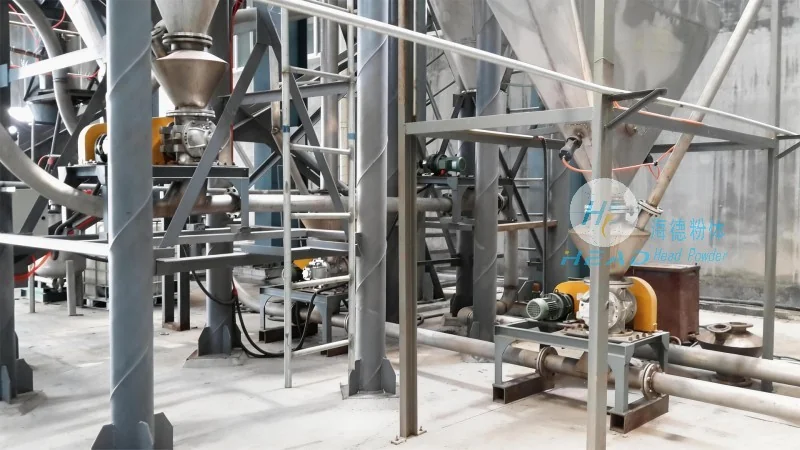
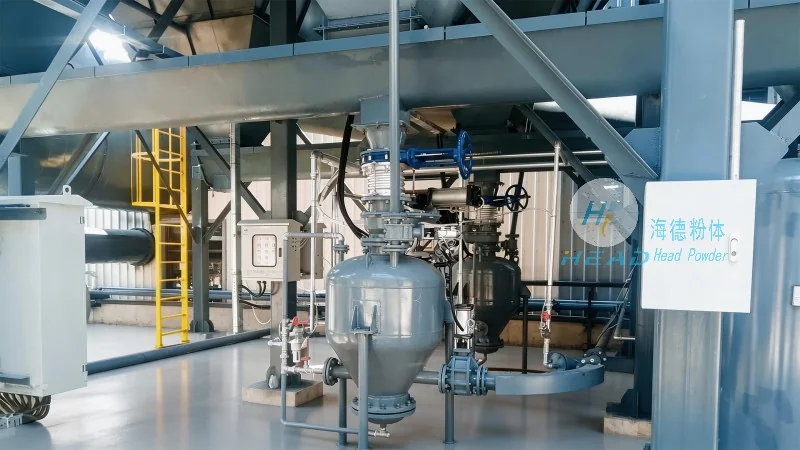
The operation process of a urea powder pneumatic conveying system involves several key stages, each designed to ensure efficient and safe material transport. The first stage is the preparation of the urea powder, which may include drying, screening, and storage to ensure consistent particle size and moisture content. Once prepared, the powder is fed into the conveying system using a hopper or feeder, which controls the flow rate to match the system's capacity. The next stage involves the generation of the conveying medium, typically compressed air or other gas, which is introduced into the pipeline at a controlled pressure and flow rate. As the gas flows through the pipeline, it creates a low-pressure zone that draws the urea powder into the stream, forming a dense phase or dilute phase conveying system depending on the design. The system then transports the urea powder from the source to the destination, such as a storage silo, processing plant, or packaging facility. The final stage involves the discharge of the urea powder from the pipeline, which may be achieved through a venturi or other discharge device that separates the powder from the gas and directs it to the target location. Throughout the process, the system is monitored for pressure, flow rate, and other parameters to ensure optimal performance and prevent issues such as blockages or overloading. The preparation phase is critical as it directly impacts the system's efficiency and reliability. Proper drying and screening remove moisture and oversized particles, preventing clogging and ensuring consistent flow. The hopper and feeder are designed to maintain a steady feed rate, preventing surges or drops that could affect the conveying process. The generation of the conveying medium is another key step, as the pressure and flow rate must be precisely controlled to achieve the desired conveying velocity. In dense phase systems, the gas velocity is typically between 5 to 15 meters per second, while in dilute phase systems, it can be as high as 20 to 30 meters per second. The choice between dense and dilute phase depends on the distance to be covered and the required flow rate. The transport stage involves the movement of the urea powder through the pipeline, which may be horizontal, vertical, or a combination of both. Vertical sections require additional pressure to overcome gravity, and the system is designed to handle these changes in elevation. The discharge stage is crucial for ensuring that the urea powder is delivered to the correct location without loss or contamination. The venturi or other discharge device creates a pressure drop that separates the powder from the gas, allowing the powder to be collected in a hopper or silo. The monitoring system continuously checks for pressure fluctuations, flow rate variations, and temperature changes, providing real-time data to operators for adjustments and troubleshooting.