

Operation Process and Working Principle of Powder Silo Pneumatic Conveying Equipment
HeadPowder, a leading manufacturer based in Shandong, China, specializes in the design and production of advanced pneumatic conveying systems for powder handling applications. The powder silo pneumatic conveying machine is a critical piece of equipment used in various industries such as food processing, pharmaceuticals, chemicals, and bulk material transport. This equipment efficiently transfers bulk powders from storage silos to processing units or other destinations through an air-driven system, ensuring minimal product contamination and high operational efficiency.
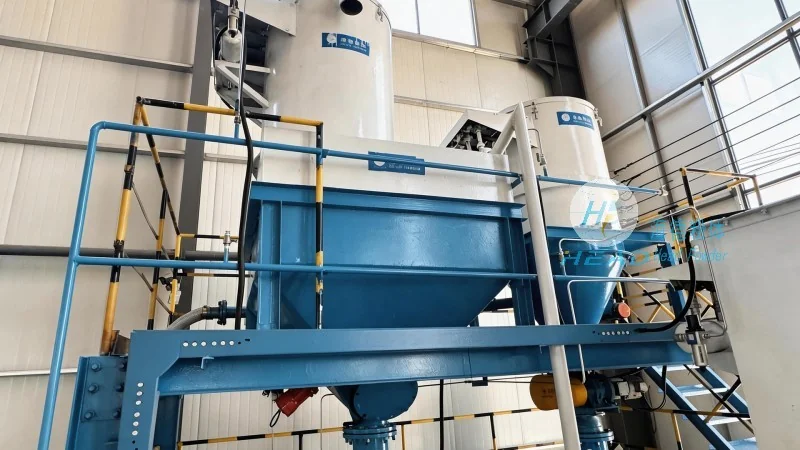
Key Components of the Powder Silo Pneumatic Conveying System
The operation of a powder silo pneumatic conveying machine relies on several key components that work in tandem to achieve seamless material transfer. The primary components include the powder silo, a hopper with a discharge valve, a rotary airlock, a pneumatic conveying line, a dust collector, and a control system. Each component plays a vital role in the overall functionality of the system.
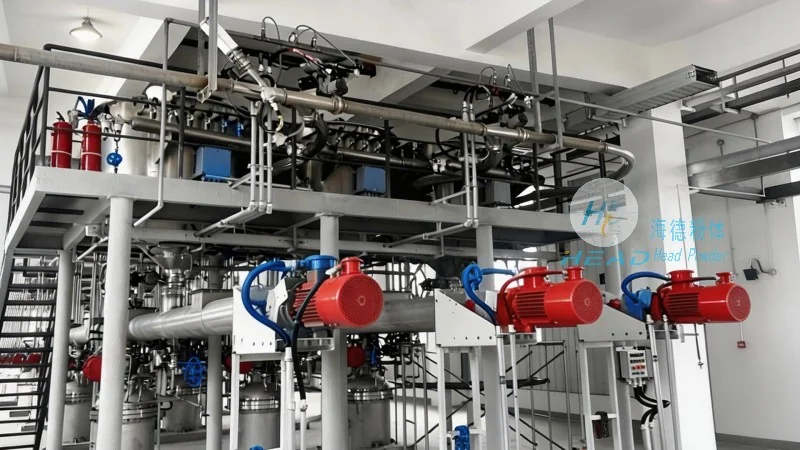
The powder silo serves as the storage container for bulk powders, providing a large capacity to hold raw materials. The hopper, typically equipped with a gate valve or rotary valve, regulates the flow of powder from the silo into the conveying line. The rotary airlock, also known as a star valve, acts as a metering device to control the quantity of powder entering the pneumatic line, preventing backflow and ensuring consistent flow rates. The pneumatic conveying line, often made of stainless steel or other corrosion-resistant materials, transports the powder particles suspended in a stream of air. The dust collector is essential for capturing any airborne particles, maintaining air quality and complying with environmental regulations. The control system manages the entire operation, including the start and stop of the conveying process, monitoring pressure and flow rates, and ensuring safety protocols are followed.
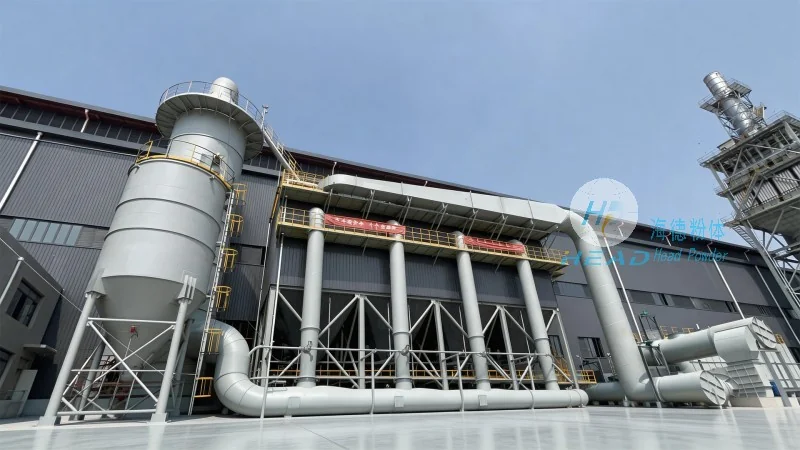
Working Principle of the Pneumatic Conveying Process
The working principle of the powder silo pneumatic conveying machine is based on the principle of pneumatic transport, where powders are conveyed through a pipeline using compressed air. The process typically involves the following steps:
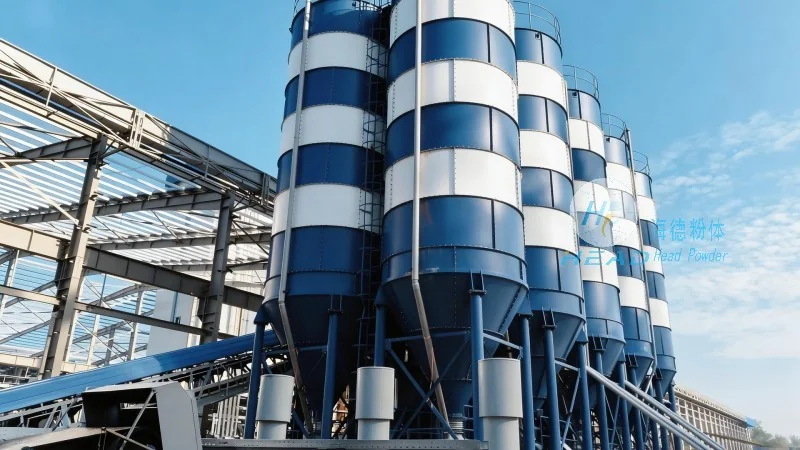
- Material Loading: Powders are stored in the silo and remain in a static state until the conveying process is initiated. The hopper's discharge valve opens to allow powder to flow into the rotary airlock.
- Material Metering: The rotary airlock, which rotates at a controlled speed, allows a controlled amount of powder to pass through into the conveying line. This step ensures that the powder is fed at a consistent rate, preventing overloading or underloading of the system.
- Air Injection and Suspension: Compressed air is introduced into the conveying line at a specific pressure and velocity. The air stream creates a low-pressure zone that draws the powder particles into the line, suspending them in the air stream. The combination of air velocity and particle size determines the conveying capacity and efficiency.
- Transportation: The suspended powder-air mixture travels through the conveying line to the destination point, such as a processing unit or a discharge silo. The length and layout of the conveying line can vary based on the application requirements.
- Dust Separation and Collection: At the receiving end, the powder is separated from the air stream using a dust collector or a cyclone separator. The collected powder is then discharged into the target container, while the cleaned air is either vented or recirculated back into the system.
Operation Process of the Powder Silo Pneumatic Conveying Machine
The operation process of the powder silo pneumatic conveying machine involves a series of steps that ensure smooth and efficient material transfer. The process begins with the preparation of the system, including checking the air supply pressure, verifying the condition of the rotary airlock and hopper, and ensuring the receiving container is ready. Once the system is prepared, the control system is activated to start the conveying operation.