

Operation Process and Working Principle of Bulk Bag Powder Pneumatic Conveying Equipment
Bulk bag powder pneumatic conveying equipment is a specialized system designed for the efficient handling and transportation of dry powders and granular materials from bulk bags. This technology offers a reliable and cost-effective solution for industries that require the safe and controlled movement of bulk materials, particularly in applications where traditional mechanical conveying methods may be less suitable or efficient. The system integrates several key components, including bulk bag discharging mechanisms, pneumatic conveying lines, and control systems, to ensure smooth and consistent material transfer.
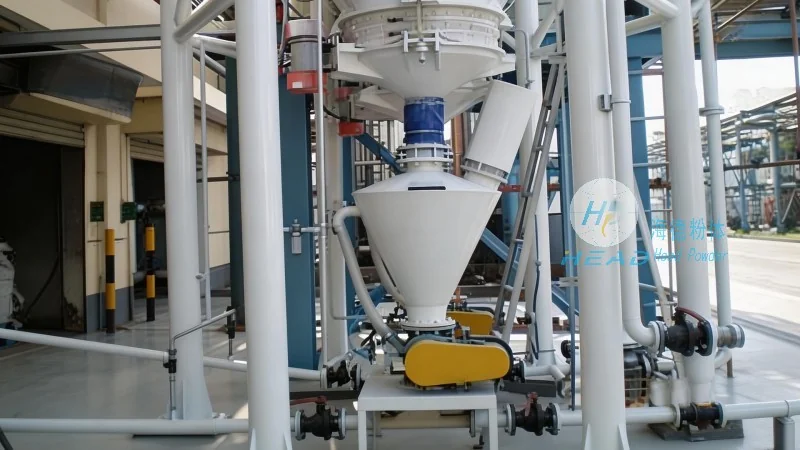
Company Overview: Shandong HeadPowder Engineering Co., Ltd.
HeadPowder, a leading manufacturer based in Shandong, China, specializes in the design, development, and production of advanced powder handling equipment. With a strong commitment to quality and innovation, the company has established itself as a trusted partner for businesses seeking efficient and reliable solutions for bulk material handling. HeadPowder's expertise lies in creating customized pneumatic conveying systems tailored to meet the specific needs of various industries, ensuring optimal performance and durability.
Key Components of the Pneumatic Conveying System
The bulk bag powder pneumatic conveying system consists of several essential components that work in tandem to facilitate material transfer. The primary components include the bulk bag, which serves as the storage container for the powder; a discharge valve or spout at the bottom of the bag for material release; a hopper or receiving tank to collect the discharged powder; a pneumatic conveying line, typically made of flexible or rigid tubing, that transports the material under pressure; and a blower or compressor that generates the necessary air flow. Additionally, the system may include filters, cyclones, and control valves to manage dust, separate air from the material, and regulate the conveying process.
Working Principle of the Pneumatic Conveying Process
The operation of the bulk bag powder pneumatic conveying system begins with the preparation of the bulk bag, which is typically filled with the dry powder or granular material. Once the bag is securely positioned and the discharge valve is opened, the material is released into the receiving hopper. Simultaneously, the blower or compressor starts operating, creating a low-pressure or high-pressure air stream within the conveying line. This air flow draws the material particles into the line, where they are suspended and transported to the destination point. The material is then deposited into the final container or processing unit. The system may incorporate features such as air filtration to capture dust and prevent environmental contamination, ensuring compliance with safety and regulatory standards.
Operation Process: Step-by-Step Guide
The operation of the bulk bag powder pneumatic conveying equipment follows a systematic process to ensure efficient and safe material transfer. The steps involved are as follows:
1. **Bulk Bag Preparation and Placement**: The bulk bag, filled with the desired powder or granular material, is placed on a suitable support structure, such as a bag stand or frame. The bag is secured to prevent movement during the discharge process.
2. **Discharge Valve Activation**: The discharge valve at the bottom of the bulk bag is opened, allowing the material to flow into the receiving hopper. This step may involve manual or automated operation, depending on the system configuration.
3. **Air Flow Initiation**: The blower or compressor is activated, generating the necessary air pressure to start the pneumatic conveying process. The air flow is directed through the conveying line, creating a suction or pressure differential that draws the material particles into the line.

4. **Material Suspension and Transportation**: As the air flows through the conveying line, the material particles are suspended and carried along with the air stream. The velocity and pressure of the air ensure that the material is transported efficiently to the destination point without clogging or blockages.
5. **Material Deposition**: Upon reaching the end of the conveying line, the material is deposited into the receiving container or processing unit. The system may include a control valve to regulate the flow rate and prevent overfilling.
6. **System Shutdown and Maintenance**: After the material transfer is complete, the blower is turned off, and the system is allowed to stabilize. Regular maintenance, such as cleaning filters and checking for wear and tear on components, is essential to ensure the longevity and reliability of the equipment.
Advantages of Bulk Bag Powder Pneumatic Conveying
Bulk bag powder pneumatic conveying offers several advantages over traditional mechanical conveying methods. These benefits include:
1. **Efficient Material Handling**: The system allows for the rapid and continuous transfer of large quantities of powder or granular materials, reducing handling time and labor costs.
2. **Low Maintenance Requirements**: Compared to mechanical conveyors, pneumatic systems have fewer moving parts, resulting in lower maintenance needs and reduced downtime.
3. **Flexibility and Scalability**: The equipment can be customized to accommodate different bag sizes, material types, and conveying distances, making it suitable for a wide range of applications.
4. **Environmental Safety**: The system incorporates air filtration and dust control measures, minimizing the release of airborne particles and ensuring compliance with environmental regulations.
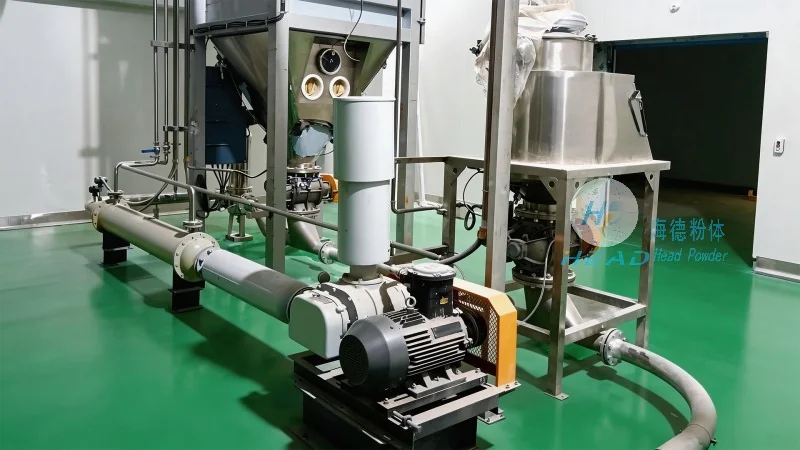
5. **Product Integrity**: The enclosed conveying process prevents contamination from external sources and maintains the quality and purity of the material being transported.
Applications in Various Industries
Bulk bag powder pneumatic conveying equipment is widely used across multiple industries due to its versatility and efficiency. Some common applications include:
1. **Pharmaceutical Industry**: For the safe and sterile handling of active pharmaceutical ingredients (APIs) and other powders.
2. **Food and Beverage Industry**: For the transport of dry ingredients, such as flour, sugar, and spices, in food processing facilities.
3. **Chemical Industry**: For the handling of various chemical powders, including industrial chemicals and specialty chemicals.
4. **Mining and Minerals Industry**: For the transportation of ore and mineral powders from bulk bags to processing equipment.
5. **Agricultural Industry**: For the handling of agricultural products, such as fertilizers and feed additives.