

Operation Process and Working Principle of Soybean Material Pneumatic Conveying Equipment
For industries dealing with soybean processing, efficient material handling is crucial to maintaining production efficiency and product quality. Pneumatic conveying equipment has emerged as a reliable solution for transporting soybean materials from one location to another within processing facilities. This equipment utilizes air as the conveying medium, enabling the seamless movement of soybean particles through a system of pipes and components. The operation of such equipment is based on the principles of fluid dynamics and particle transport, making it an essential tool for modern soybean processing operations.
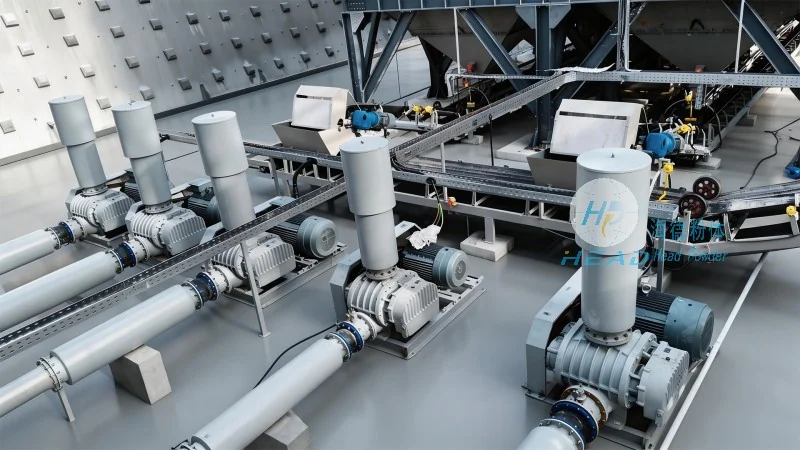
Working Principle of Pneumatic Conveying Systems
The core of soybean material pneumatic conveying equipment lies in its working principle, which involves the use of compressed air to create a flow that transports the soybean particles. The system typically consists of a hopper for material storage, a blower or air compressor to generate the necessary air pressure, and a pipeline network that guides the material from the source to the destination. As the compressed air is introduced into the hopper, it lifts the soybean particles and propels them through the pipes. The velocity of the air and the size of the soybean particles determine the conveying capacity and efficiency of the system. The working principle ensures that the soybean material is transported without the need for mechanical components like belts or buckets, reducing wear and maintenance requirements.
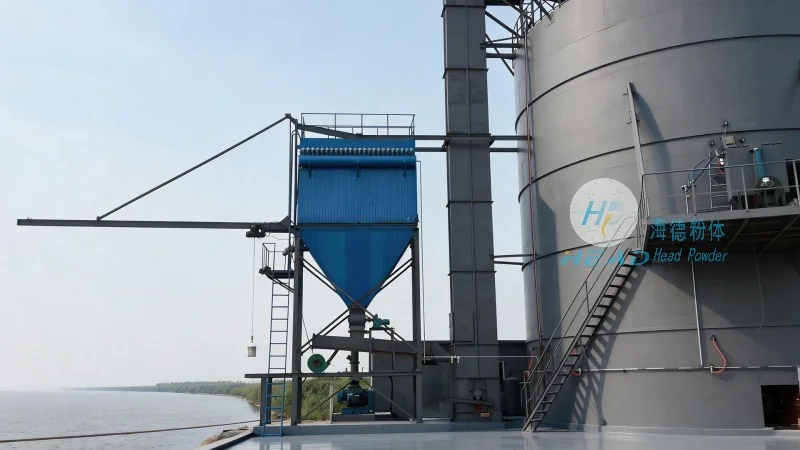
Key Components and Their Functions
Several key components work together to ensure the smooth operation of soybean material pneumatic conveying equipment. The hopper serves as the storage and feeding unit, where soybean material is loaded and prepared for transport. The blower or air compressor provides the necessary air pressure to initiate the conveying process. The pipeline network, made of materials resistant to soybean particles and moisture, carries the material from the hopper to the destination point, such as a silo, storage tank, or processing unit. Additionally, components like filters and cyclones are used to separate the soybean particles from the air stream, ensuring that the material is delivered in a clean and dry state. These components are designed to handle the specific characteristics of soybean material, including its size, density, and moisture content, to optimize the conveying process.
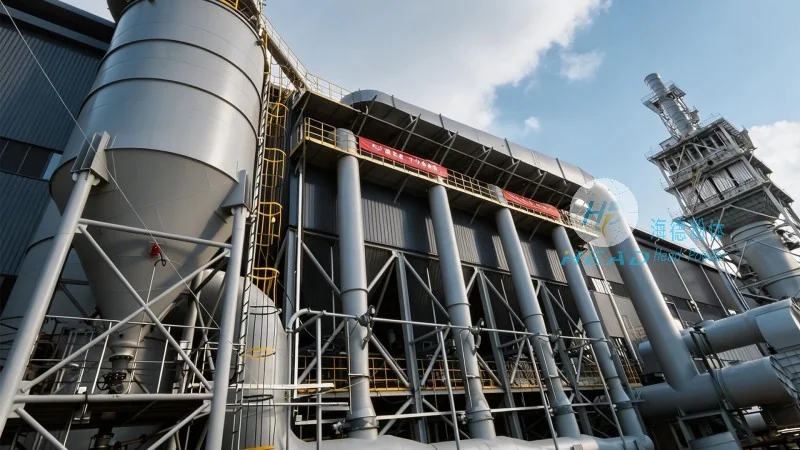
Operation Process of Soybean Material Pneumatic Conveying
The operation process of soybean material pneumatic conveying equipment involves several steps that ensure efficient and continuous material transport. First, the soybean material is loaded into the hopper, where it accumulates until the desired level is reached. The blower then starts, generating compressed air that enters the hopper and lifts the soybean particles. As the air flows through the pipeline, it carries the particles to the destination point. The speed of the air and the length of the pipeline determine the time required for the material to reach its destination. The system operates continuously, with the hopper being refilled as the material is transported, ensuring a steady flow of soybean material throughout the process. The operation process is designed to minimize downtime and maximize throughput, making it an efficient solution for soybean processing facilities.
Advantages of Using Pneumatic Conveying for Soybean Materials
There are several advantages to using pneumatic conveying equipment for soybean material transport. One of the primary benefits is the reduction in mechanical wear and maintenance costs, as there are no moving parts in direct contact with the soybean particles. This also minimizes the risk of contamination, as the system is enclosed and prevents exposure to external elements. Additionally, pneumatic conveying allows for the transport of soybean material over long distances without the need for multiple transfer points, improving overall efficiency. The system is also flexible, as it can be adjusted to handle different volumes and types of soybean material, making it suitable for various processing applications. Furthermore, the use of pneumatic conveying reduces the risk of material degradation, as the particles are not subjected to excessive friction or pressure during transport.
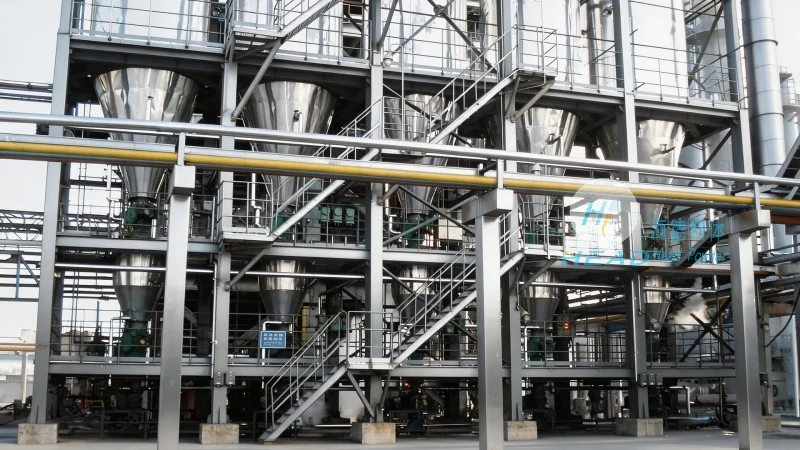
About Shandong HeadPowder Engineering Co., Ltd.
Shandong HeadPowder Engineering Co., Ltd., operating under the brand name headpowder, is a leading manufacturer of pneumatic conveying equipment for soybean and other agricultural materials. With a focus on innovation and quality, the company has developed advanced solutions that meet the specific needs of the soybean processing industry. Headpowder's equipment is designed to enhance efficiency, reduce costs, and improve product quality in soybean processing facilities. The company's products are known for their durability, reliability, and ease of maintenance, making them a preferred choice for industries seeking to optimize their material handling processes. Headpowder is committed to providing customized solutions that cater to the unique requirements of each client, ensuring that their pneumatic conveying equipment is tailored to the specific needs of their soybean processing operations.