

Operation Process and Working Principle of Wood Chip Material Pneumatic Conveying Equipment
Wood chip material pneumatic conveying equipment is a critical component in the processing and transportation of wood chips, which are widely used in the pulp and paper industry, biofuel production, and other sectors that require efficient material handling. This equipment enables the safe and effective transport of wood chips over long distances or within complex processing facilities, minimizing the need for traditional mechanical conveyors that may suffer from blockages or maintenance issues. As a leading manufacturer in Shandong, China, Shandong HeadPowder Engineering Co., Ltd. specializes in designing and supplying high-quality pneumatic conveying systems tailored to the specific needs of wood chip processing applications.
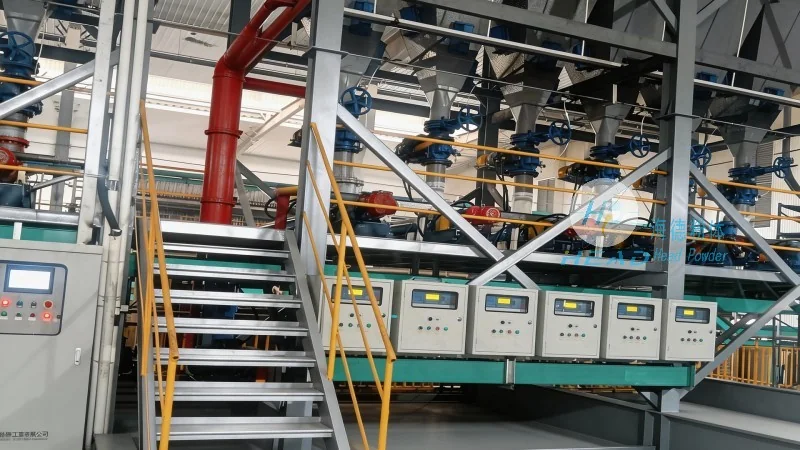
Company Overview: Shandong HeadPowder Engineering Co., Ltd.
HeadPowder, a prominent engineering company based in Shandong, China, has established itself as a trusted provider of advanced material handling solutions. With years of experience in the industry, the company focuses on delivering reliable and efficient pneumatic conveying equipment for various bulk materials, including wood chips. The company's commitment to quality, innovation, and customer satisfaction has made it a preferred choice for businesses seeking to optimize their material transport processes. HeadPowder's facilities in Shandong are equipped with state-of-the-art technology and skilled personnel, ensuring that each product meets the highest standards of performance and durability.
Working Principle of Pneumatic Conveying Systems for Wood Chips
The core of a wood chip pneumatic conveying system is the air flow that propels the material through a network of pipes. The system operates on the principle of creating a pressure differential between the inlet and outlet of the conveying line. In a typical system, a blower or compressor generates high-pressure air, which is then introduced into the hopper containing the wood chips. As the air flows through the hopper, it lifts the wood chips and carries them through the pipeline to the discharge point. The design of the system, including the type of air nozzle, the size of the pipes, and the velocity of the air, is crucial in determining the efficiency and capacity of the conveying process. For wood chips, which are relatively light and have a tendency to settle, the system is often optimized with larger pipe diameters and higher air velocities to prevent blockages and ensure smooth transport.
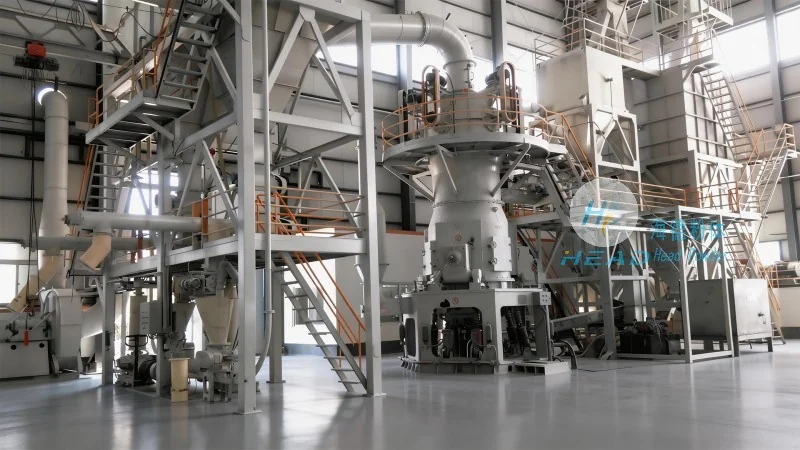
Key Components and Their Functions
A wood chip pneumatic conveying system consists of several key components, each playing a vital role in the overall operation. The main components include the hopper, air supply unit (blower or compressor), conveying pipes, air valves, and the discharge unit. The hopper is where the wood chips are stored before being fed into the system. It is designed with a large opening to facilitate easy loading and often includes a feeder mechanism, such as a rotary valve or a screw feeder, to control the flow of material into the conveying line. The air supply unit provides the necessary pressure and volume of air to move the material. It can be a positive displacement blower or a centrifugal fan, depending on the system's requirements. The conveying pipes are typically made of stainless steel or other corrosion-resistant materials to withstand the abrasive nature of wood chips and the moisture content in the air. Air valves are used to control the flow of air and material, allowing for start-up, shutdown, and direction changes. The discharge unit, which may include a cyclone separator or a filter, separates the wood chips from the air at the end of the conveying line, ensuring that the material is collected efficiently and the air is cleaned before being released.
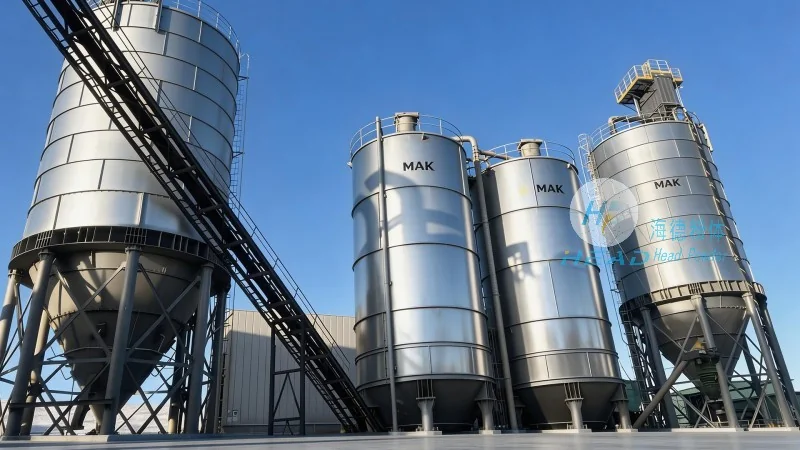
Operation Process of the Wood Chip Pneumatic Conveying Equipment
The operation of a wood chip pneumatic conveying system involves several steps that ensure the smooth and continuous transport of material. The process begins with the loading of wood chips into the hopper. The feeder mechanism then controls the flow of chips into the conveying line, ensuring a consistent feed rate. The air supply unit is activated, and high-pressure air is introduced into the hopper, lifting the wood chips and carrying them through the pipes. As the material travels through the system, it may encounter bends or changes in direction, which are designed to minimize pressure loss and prevent blockages. The air and material mixture reaches the discharge unit, where the cyclone separator separates the wood chips from the air. The separated wood chips are collected in a storage bin or directly fed into the next processing stage, while the cleaned air is either recirculated or released into the environment. The system is equipped with safety features, such as pressure relief valves and overheat protection, to prevent accidents and ensure safe operation. Regular maintenance, including cleaning of the pipes and filters, is essential to maintain the efficiency and longevity of the equipment.
Advantages of Using Pneumatic Conveying for Wood Chips
Compared to traditional mechanical conveyors, wood chip pneumatic conveying systems offer several advantages that make them ideal for modern processing facilities. One of the primary benefits is the ability to transport material over long distances without the need for multiple transfer points. This reduces the overall footprint of the facility and minimizes the risk of material spillage or contamination. The system is also highly flexible, as it can be easily reconfigured to accommodate changes in production requirements or facility layout. Additionally, pneumatic conveying systems are less prone to blockages and wear compared to mechanical systems, resulting in lower maintenance costs and higher reliability. The enclosed nature of the system also helps in controlling dust and odors, which is particularly important in wood chip processing where dust can be a health hazard. Overall, the use of pneumatic conveying for wood chips enhances operational efficiency, improves safety, and reduces downtime, making it a preferred choice for many industries.