

Operation Process and Working Principle of Borax Material Pneumatic Conveying Line
Borax, a widely used industrial chemical, often requires efficient and reliable transportation systems to move it from production sites to processing facilities or storage areas. Pneumatic conveying lines offer a solution that combines the benefits of material handling with the advantages of a closed system, ensuring safety, cleanliness, and consistent performance. This article delves into the operation process and working principles of borax material pneumatic conveying lines, highlighting the key components, operational steps, and the technology behind their effective functioning.
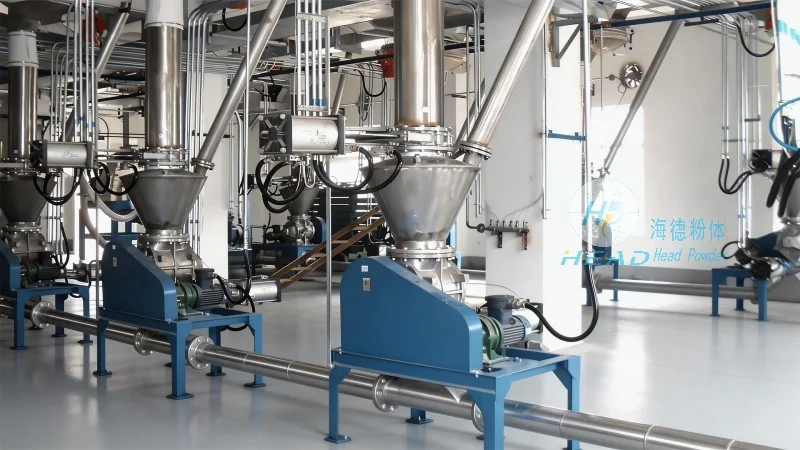
Key Components of the Pneumatic Conveying System
The borax material pneumatic conveying line typically consists of several essential components that work in tandem to achieve efficient material transport. These components include a material hopper or silo for storage, a feeder to control the flow rate of borax, a conveying pipeline network, a compressor or air source to generate the necessary air pressure, and a receiver or discharge hopper to collect the material at the destination. Each component plays a critical role in maintaining the system's efficiency and ensuring the safe handling of borax, which is known for its hygroscopic properties and potential to cause dust explosions if not managed properly.
Operation Process of the Borax Pneumatic Conveying Line
The operation of a borax material pneumatic conveying line follows a systematic sequence of steps designed to move the material from the source to the destination. The process begins with the material being fed from the storage hopper into the feeder, which regulates the flow rate to match the system's capacity. Simultaneously, the compressor generates high-pressure air, which is introduced into the conveying pipeline. As the air flows through the pipe, it entrains the borax particles, creating a slurry-like mixture that travels through the system. The conveying line may include bends, valves, and filters to direct the flow and prevent blockages or contamination. At the receiving end, the air is separated from the borax, typically through a cyclone or bag filter, and the purified air is discharged back into the system or released to the atmosphere. The borax is then collected in the discharge hopper, ready for further processing or storage.
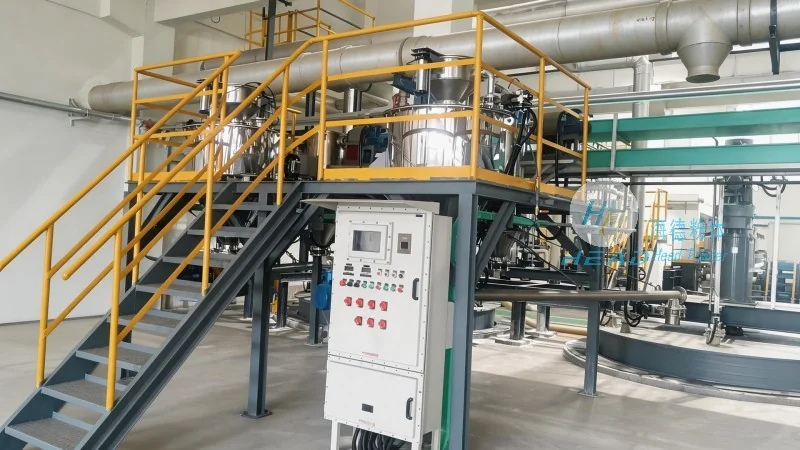
Working Principle of the Pneumatic Conveying Technology
The core working principle of the borax pneumatic conveying line is based on the use of air as the conveying medium to transport solid particles. This technology can be categorized into two main types: dilute-phase and dense-phase conveying, each with distinct characteristics suitable for different borax handling scenarios. Dilute-phase conveying operates at higher air velocities, typically 20-30 meters per second, which allows the borax particles to be suspended in the air stream, resulting in a low concentration of solid material. This method is ideal for long-distance transport and is commonly used when the material is relatively dry and free-flowing. Dense-phase conveying, on the other hand, uses lower air velocities and higher solid-to-air ratios, creating a more compact mixture of borax and air. This approach is preferred for short-distance transport or when the material is more cohesive or contains moisture, as it reduces the risk of material degradation and blockages.
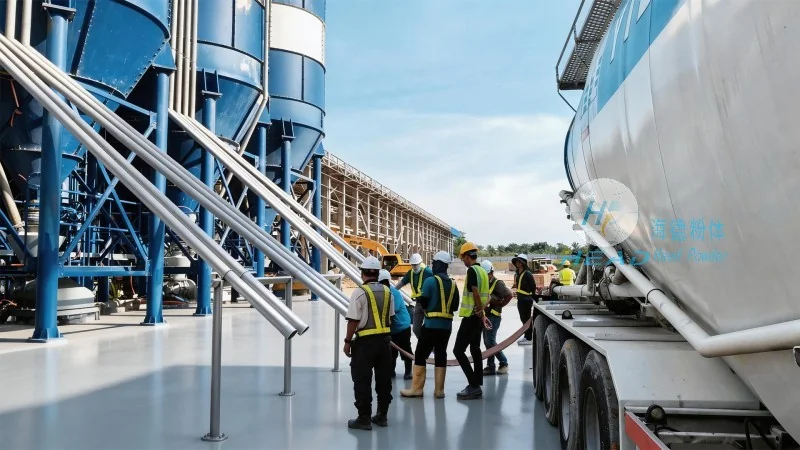
Advantages of Using Pneumatic Conveying for Borax Handling
Implementing a pneumatic conveying system for borax material handling offers several advantages over traditional methods such as belt conveyors or bucket elevators. One of the primary benefits is the ability to maintain a closed system, which prevents dust contamination and protects the environment from borax particles. This is particularly important given borax's hygroscopic nature, as it can absorb moisture from the air, leading to clumping or caking if exposed to open air. Additionally, pneumatic conveying systems are more flexible in terms of layout, allowing for vertical, horizontal, or inclined transport without the need for complex machinery or structural supports. The system also provides better control over the material flow rate, ensuring consistent delivery to downstream processes and reducing the risk of overloading or underloading equipment. Furthermore, the enclosed nature of the system enhances safety by minimizing the exposure of workers to dust and preventing the accumulation of explosive dust clouds.
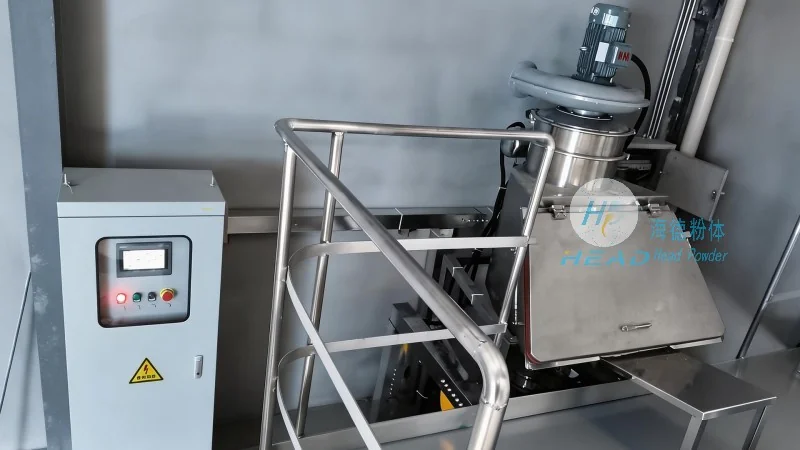
Application Examples and Case Studies
The effectiveness of borax material pneumatic conveying lines has been demonstrated in various industrial applications across different sectors. For instance, in the chemical manufacturing industry, these systems are used to transport borax from storage silos to reaction vessels or packaging lines, ensuring a continuous and controlled supply of raw material. In the food processing industry, where borax is used as a food additive, the pneumatic conveying system maintains strict hygiene standards by keeping the material enclosed and preventing cross-contamination with other products. A notable case study involves a borax processing plant in Shandong, China, where the implementation of a headpowder-designed pneumatic conveying line improved the material handling efficiency by 30% and reduced dust emissions by 80% compared to traditional methods. This success highlights the reliability and performance of the system in real-world industrial settings.
Conclusion and Future Developments
Borax material pneumatic conveying lines represent a sophisticated and efficient solution for the transportation of this critical industrial chemical. By understanding the operation process and working principles of such systems, industries can optimize their material handling operations, enhance safety, and improve overall productivity. As technology advances, future developments may focus on more energy-efficient compressors, advanced control systems for better flow regulation, and materials with improved resistance to wear and corrosion, further enhancing the performance and longevity of pneumatic conveying lines. For companies dealing with borax, investing in a well-designed pneumatic conveying system from a reputable supplier like Shandong HeadPowder Engineering Co., Ltd. can provide long-term benefits in terms of operational efficiency, cost savings, and environmental compliance.