

Operation Process and Working Principle of a Pneumatic Conveying Line for Metallurgical Coke Powder
Metallurgical coke powder is a critical raw material in the steel and iron production processes, and its efficient handling is essential for maintaining production efficiency and reducing operational costs. Pneumatic conveying systems have emerged as a highly effective solution for transporting such powders over long distances or within complex industrial settings. This article provides a detailed overview of the operation process and working principle of a pneumatic conveying line specifically designed for metallurgical coke powder, highlighting the key components, operational steps, and technical aspects that ensure reliable and efficient material transport.
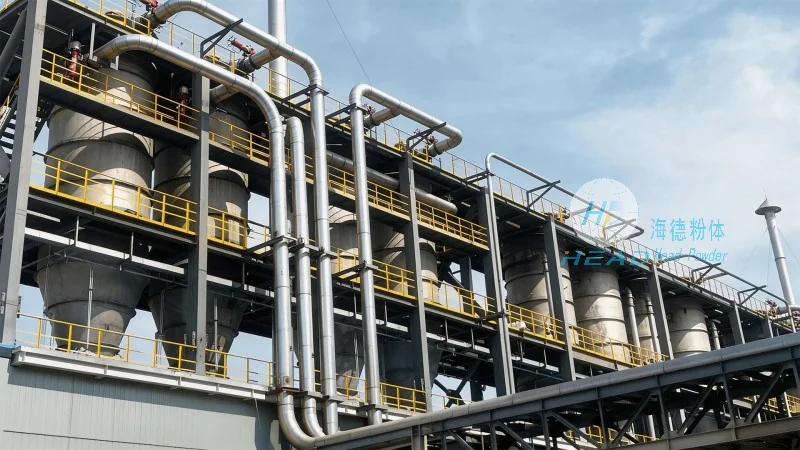
Introduction to Pneumatic Conveying for Metallurgical Coke Powder
Pneumatic conveying, also known as air conveying, is a method of transporting bulk materials like metallurgical coke powder using a stream of air. Unlike mechanical conveyors, which rely on physical components such as belts or screws, pneumatic systems utilize the kinetic energy of the air to move particles through a network of pipes. This technology offers several advantages, including the ability to handle fine powders without the risk of clogging or degradation, minimal maintenance requirements, and the flexibility to integrate with existing industrial infrastructure. For companies like Shandong HeadPowder Engineering Co., Ltd., specializing in engineering solutions for material handling, pneumatic conveying lines represent a cornerstone of their product portfolio, tailored to meet the unique demands of the metallurgical industry.
Key Components of a Metallurgical Coke Powder Pneumatic Conveying System
The effectiveness of a pneumatic conveying line for metallurgical coke powder hinges on its well-designed components, each playing a crucial role in the overall operation. The primary components typically include:
1. Air Supply Unit (Fan or Blower): This is the heart of the system, responsible for generating the necessary air pressure and flow rate to move the powder. For metallurgical coke powder, which is often abrasive and has specific density characteristics, high-efficiency fans or blowers are selected to ensure consistent performance and minimize energy consumption.
2. Hopper and Feeder: The hopper serves as a storage container for the coke powder, while the feeder regulates the flow rate of material into the conveying line. For fine powders like metallurgical coke, a rotary valve or screw feeder is commonly used to control the discharge rate, preventing overloading and ensuring a steady supply to the system.
3. Piping Network: The system consists of a series of pipes, often made of stainless steel or other corrosion-resistant materials, to guide the powder and air mixture. The design of the piping, including bends, elbows, and straight sections, is critical to maintaining the flow velocity and preventing particle deposition or blockages.
4. Receiver (Discharge Hopper): The receiver is where the coke powder is deposited after being conveyed through the system. It is typically equipped with a discharge valve to control the release of material into the final storage or processing area.
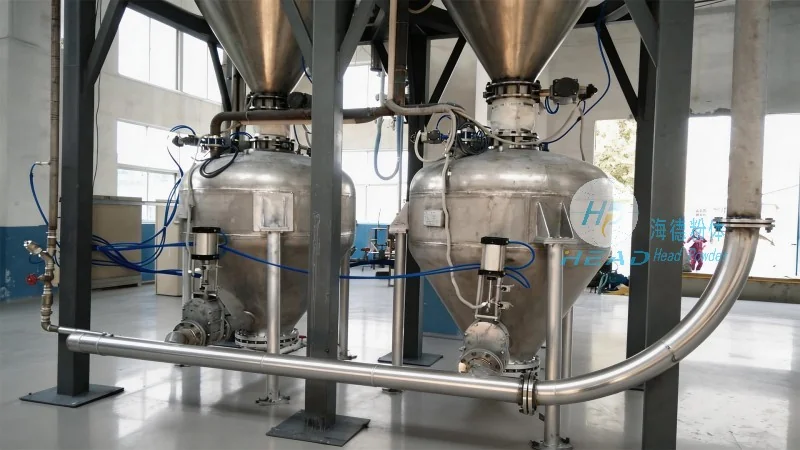
5. Control System: An automated control system monitors and regulates the operation of the pneumatic conveying line, including the air pressure, flow rate, and feeder speed. This ensures optimal performance and allows for remote monitoring and adjustments as needed.
Operation Process of the Pneumatic Conveying Line
The operation of a pneumatic conveying line for metallurgical coke powder follows a systematic sequence to ensure safe and efficient material transport. The process typically begins with the preparation phase, where the hopper is filled with the coke powder and the system is checked for proper functionality. Once the system is ready, the following steps are executed:
1. System Startup: The air supply unit is activated, and the control system adjusts the air pressure to the desired level. The feeder is then started, allowing a controlled amount of coke powder to enter the piping network.
2. Powder Injection and Conveying: As the feeder discharges the powder, the air from the fan creates a high-velocity stream that entrains the particles. The powder-air mixture travels through the pipes, with the velocity maintained above the minimum required to prevent particle settling. The system may use either positive pressure (where air is blown into the system) or negative pressure (where air is drawn out), depending on the specific application and layout.
3. Transport to Receiver: The powder-air mixture is transported from the hopper to the receiver, covering the required distance as specified by the system design. The piping network may include additional components such as filters or cyclones to separate any excess air from the powder before it reaches the receiver.
4. System Shutdown: When the material has been fully transferred to the receiver, the feeder is stopped, and the air supply is reduced or turned off. The control system then signals the end of the operation, ensuring that all components are safely de-energized.
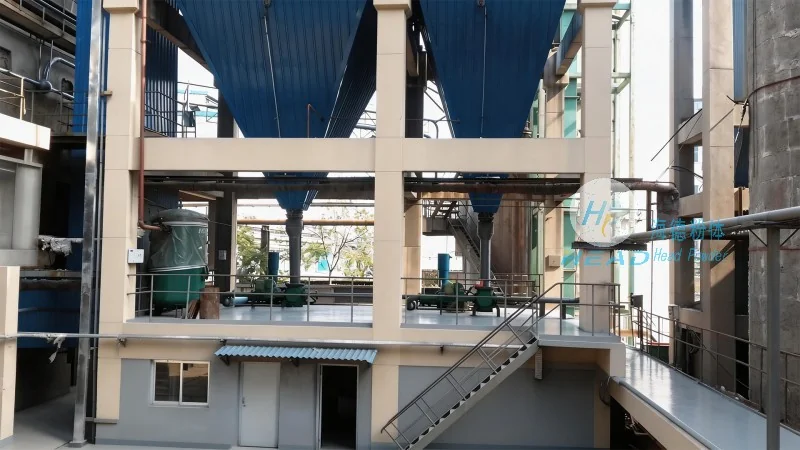
Working Principle of the Pneumatic Conveying System
The working principle of a pneumatic conveying line for metallurgical coke powder is based on the fundamental physics of fluid dynamics and particle motion. The system operates by creating a pressure differential between the inlet and outlet of the piping network, which drives the movement of the powder. The key principles include:
1. Fluidization and Suspension: The air stream in the pipes creates a fluidized environment where the coke powder particles are suspended and transported as a slurry. The velocity of the air must be sufficient to overcome the gravitational forces acting on the particles, ensuring they remain in suspension throughout the conveying process.
2. Pressure and Flow Control: The air pressure and flow rate are carefully controlled to maintain the desired velocity and pressure within the system. This is critical for preventing particle deposition, which can lead to blockages or reduced efficiency. The control system continuously monitors these parameters and adjusts them in real-time to adapt to changes in material feed rate or system conditions.
3. Separation and Cleaning: In some applications, the system may include a separation stage, such as a cyclone or filter, to remove excess air from the powder before it is deposited in the receiver. This step ensures that the final product is free from contaminants and maintains the quality of the metallurgical coke powder.
Advantages and Considerations for Metallurgical Coke Powder Conveying
Implementing a pneumatic conveying line for metallurgical coke powder offers several benefits, including improved safety (as there are no moving parts in direct contact with the material), reduced labor costs (automated operation), and enhanced product quality (minimal exposure to external contaminants). However, there are also considerations to keep in mind, such as the need for regular maintenance of the air supply unit and piping to prevent wear and tear, and the importance of proper system sizing to match the specific throughput requirements of the plant.
Conclusion
For industrial facilities handling metallurgical coke powder, a well-designed pneumatic conveying line is an indispensable asset. The operation process, which involves systematic startup, material injection, transport, and shutdown, ensures reliable and efficient material handling. The working principle, based on fluid dynamics and pressure control, enables the safe and effective movement of fine powders. Companies like Shandong HeadPowder Engineering Co., Ltd. specialize in providing tailored pneumatic conveying solutions that meet the unique needs of the metallurgical industry, contributing to improved operational efficiency and cost-effectiveness.