

Introduction to Pneumatic Dust Removal Systems and Their Structural Principles
For industrial applications requiring efficient dust control, pneumatic dust removal systems offer a reliable and effective solution. These systems utilize air flow to capture and transport particulate matter, making them essential in various manufacturing and processing environments. This article provides an overview of the basic structure and operational principles of pneumatic dust removal systems, highlighting their key components and practical applications.
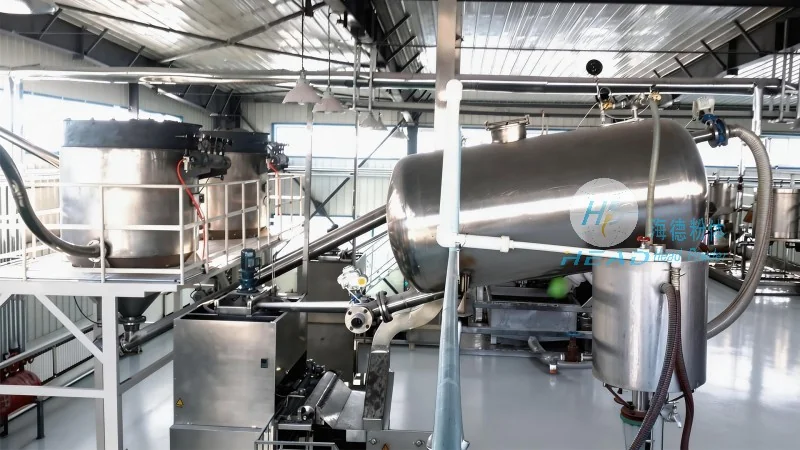
Introduction to Pneumatic Dust Removal Systems
Pneumatic dust removal systems, also known as air-based dust collection systems, are designed to capture airborne particles from industrial processes. They operate by creating a negative pressure or using air pressure to draw dust-laden air into a collection device. The system typically includes a dust collector, ductwork, and an air filtration unit. This approach is particularly useful in environments where traditional mechanical filters may not be suitable due to the nature of the dust or the scale of the operation.
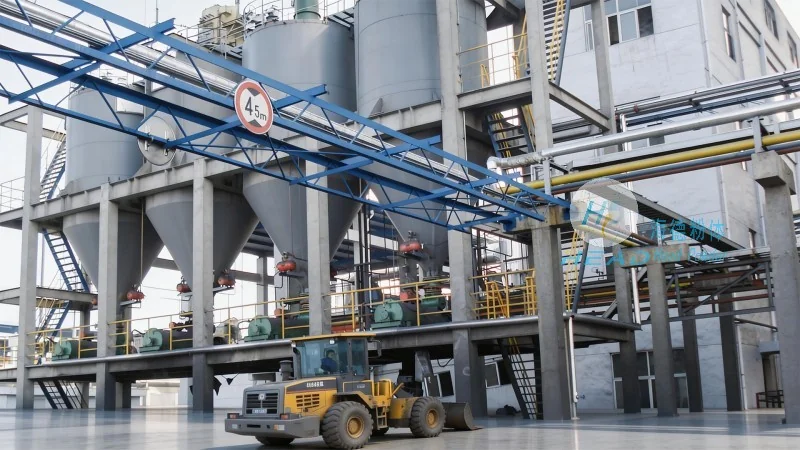
Structural Components and Working Principles
The core components of a pneumatic dust removal system include the dust collector, air inlet, filter media, and exhaust outlet. The dust collector is the central unit where dust is captured and held. Air enters the system through the inlet, carrying dust particles into the collector. The filter media, often made of fabric or other porous materials, traps the particulate matter while allowing clean air to pass through. The collected dust is then removed from the filter, either by manual or automated means, ensuring the system maintains optimal performance. The exhaust outlet releases the purified air back into the environment or recirculates it within the facility.
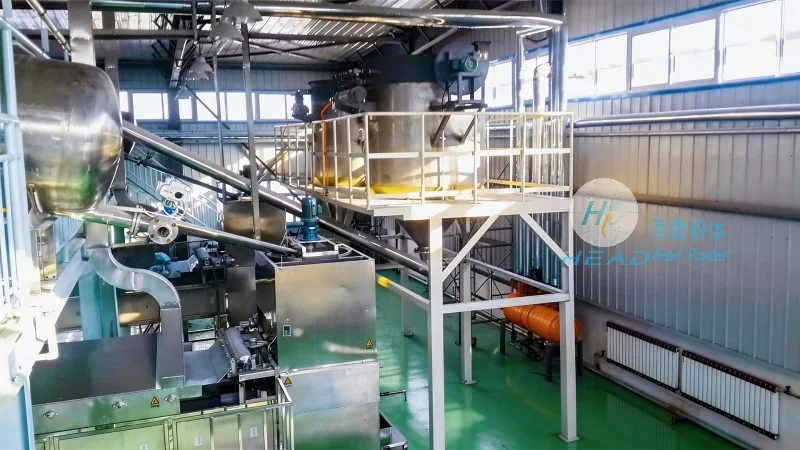
Application Scenarios and Advantages
Pneumatic dust removal systems are widely used in industries such as pharmaceuticals, food processing, and metal fabrication. Their flexibility allows adaptation to different dust types and process requirements. Key advantages include high efficiency in capturing fine particles, minimal maintenance compared to some other systems, and the ability to handle large volumes of air. Additionally, these systems can be integrated with existing industrial setups, making them a cost-effective solution for improving air quality and compliance with environmental regulations.
About Shandong HeadPowder Engineering Co., Ltd.
Shandong HeadPowder Engineering Co., Ltd., operating under the brand name headpowder, is a leading provider of dust removal and air filtration solutions. With a focus on innovation and customer satisfaction, the company specializes in designing and manufacturing customized pneumatic dust removal systems tailored to specific industrial needs. Headpowder's products are engineered to meet international standards for efficiency and durability, ensuring long-term performance in demanding environments. The company's commitment to quality and technical expertise has established it as a trusted partner in the industry, delivering reliable solutions for air purification and dust control across various sectors.
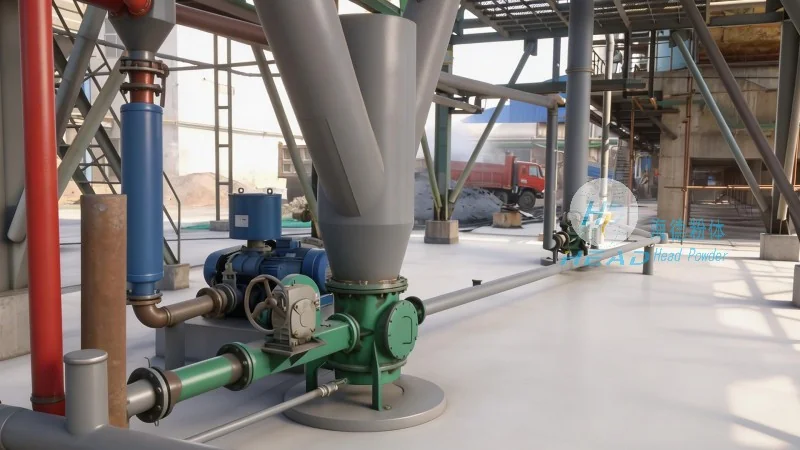
By understanding the structural principles and operational benefits of pneumatic dust removal systems, industries can make informed decisions about implementing effective dust control measures. The integration of advanced technology and professional engineering by companies like Shandong HeadPowder Engineering Co., Ltd. further enhances the performance and reliability of these systems, contributing to safer and cleaner working environments.