

Introduction to Mine Pneumatic Conveying: Structure and Working Principles
For professionals in the mining industry, understanding the principles and structural design of pneumatic conveying systems is crucial for efficient material handling and operational safety. This article provides a comprehensive overview of mine pneumatic conveying, focusing on its fundamental structure and operational mechanisms.
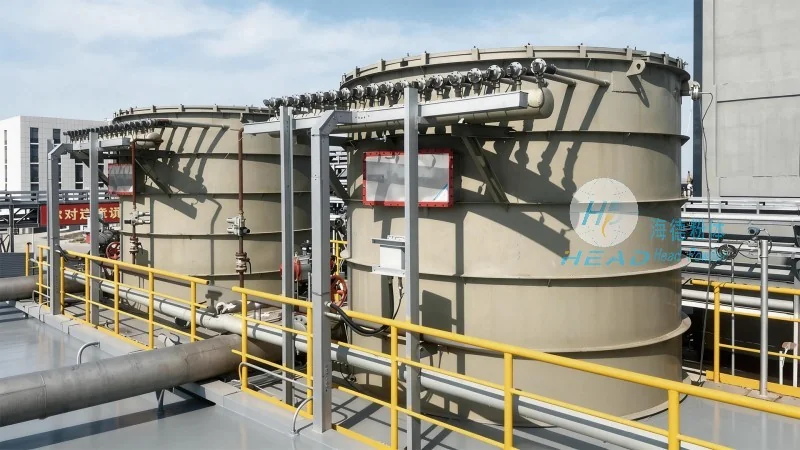
HeadPowder, a leading engineering company based in Shandong, China, specializes in the design, manufacturing, and implementation of advanced pneumatic conveying solutions tailored for mining applications. With a deep understanding of the unique challenges faced in underground and surface mining operations, HeadPowder's expertise ensures that their systems are optimized for reliability, efficiency, and durability under harsh conditions.
The core structure of a mine pneumatic conveying system typically consists of several key components that work in concert to transport bulk materials. The primary elements include a material feed hopper, a conveying pipeline, a pneumatic transport unit (often a blower or fan), and a discharge outlet. Each component plays a vital role in the overall functionality of the system.
The material feed hopper is responsible for storing and regulating the flow of bulk materials, such as ore, coal, or other minerals. It is designed to handle various material types and sizes, ensuring a consistent feed rate to the conveying pipeline. The hopper often incorporates features like level sensors and flow control valves to maintain optimal material supply.
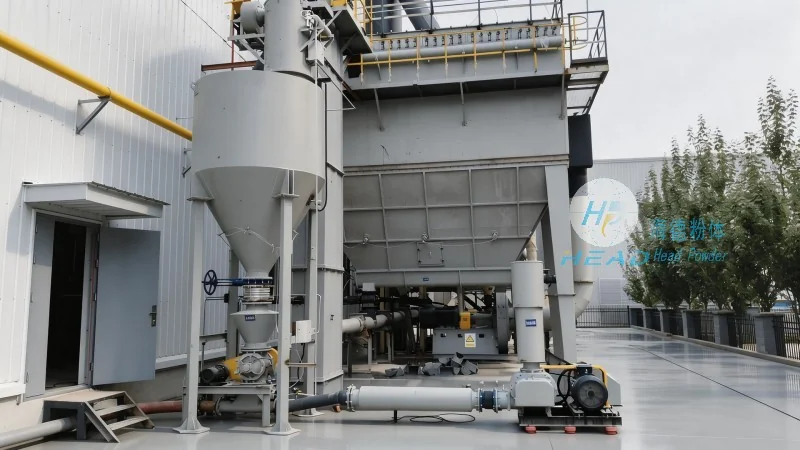
The conveying pipeline is the central pathway through which the material is transported. It is typically made of durable materials like stainless steel or high-density polyethylene to withstand the abrasive nature of mining materials and the pressure differentials generated during operation. The pipeline may include bends, elbows, and expansion joints to accommodate the layout of the mine and minimize material buildup or blockages.
The pneumatic transport unit, commonly a positive displacement blower or a centrifugal fan, generates the necessary air pressure and flow to move the material particles through the pipeline. This unit is critical for overcoming the resistance of the pipeline and the weight of the material, ensuring smooth and continuous transport. The choice of blower type depends on factors such as the material's density, particle size, and the required conveying distance.
The discharge outlet is the endpoint of the conveying system, where the material is released into a storage bin, processing equipment, or a transfer point. It is designed to handle the material's velocity and pressure upon exit, preventing spillage and ensuring safe material handling. The outlet may include features like a cyclone separator or a filter to remove any air or fine particles before the material is discharged.
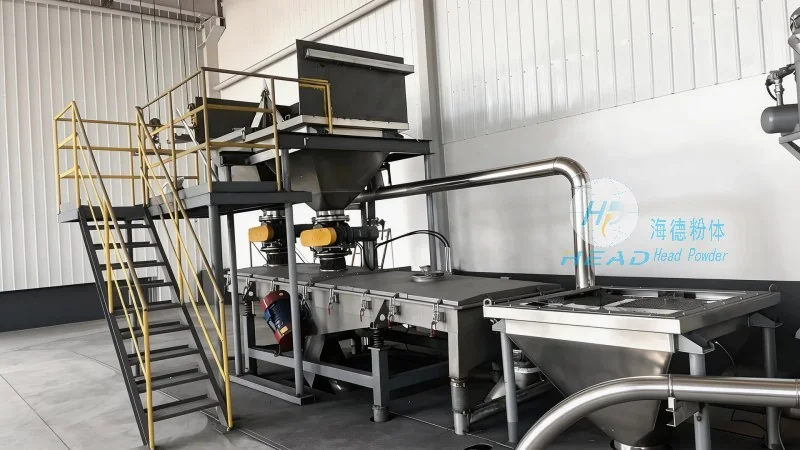
In addition to the main components, mine pneumatic conveying systems may incorporate auxiliary equipment to enhance performance and safety. These can include dust collection systems, pressure relief valves, and monitoring sensors that track system performance parameters like pressure, flow rate, and temperature. Such systems help maintain operational efficiency and prevent potential hazards, such as over-pressurization or material blockages.
HeadPowder's expertise lies in customizing these systems to meet the specific needs of each mining operation. By analyzing the mine's layout, material characteristics, and operational requirements, the company designs solutions that maximize throughput while minimizing energy consumption and maintenance costs. Their engineering team works closely with clients to ensure that the final system aligns with industry standards and regulatory requirements, providing a reliable and long-lasting solution for material handling in mining environments.
Overall, mine pneumatic conveying represents a sophisticated approach to bulk material transport, combining mechanical and pneumatic principles to achieve efficient and safe operation. With the right structural design and operational management, these systems can significantly improve productivity and reduce downtime in mining operations. HeadPowder's commitment to innovation and quality ensures that their pneumatic conveying solutions remain at the forefront of the industry, supporting the needs of modern mining enterprises.