

Introduction to Ceramic Pneumatic Conveying Systems: Structure and Principle of Operation
Headpowder, or Shandong HeadPowder Engineering Co., Ltd., is a professional manufacturer based in Shandong, China, specializing in the design, production, and supply of advanced pneumatic conveying systems. The company focuses on delivering high-quality solutions tailored to the unique needs of various industries, particularly those requiring efficient and reliable material handling for ceramic materials.
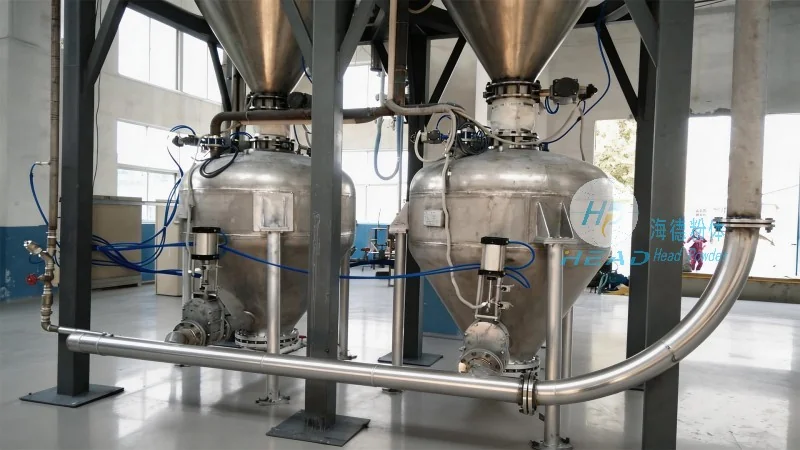
Introduction to Ceramic Pneumatic Conveying Systems
Ceramic pneumatic conveying systems are sophisticated equipment designed to transport bulk ceramic powders and granules through an enclosed pipeline using air or other gas as the conveying medium. These systems are widely used in the ceramic manufacturing industry, including the production of tiles, sanitary ware, and refractory materials. The primary goal of such systems is to achieve efficient, dust-free, and low-cost material transport, minimizing the risk of product contamination and ensuring consistent quality throughout the process.
Key Components and Structure of the System
The ceramic pneumatic conveying system typically consists of several core components that work in concert to facilitate material transport. The main parts include the material hopper, which serves as the storage and feeding unit; the air compressor or blower, which generates the necessary air pressure to move the material; the conveying pipeline, which forms the transport channel; and the control system, which regulates the flow of material and air. Additionally, the system may incorporate components such as filters, cyclones, and silos to manage dust and ensure proper material separation and storage.
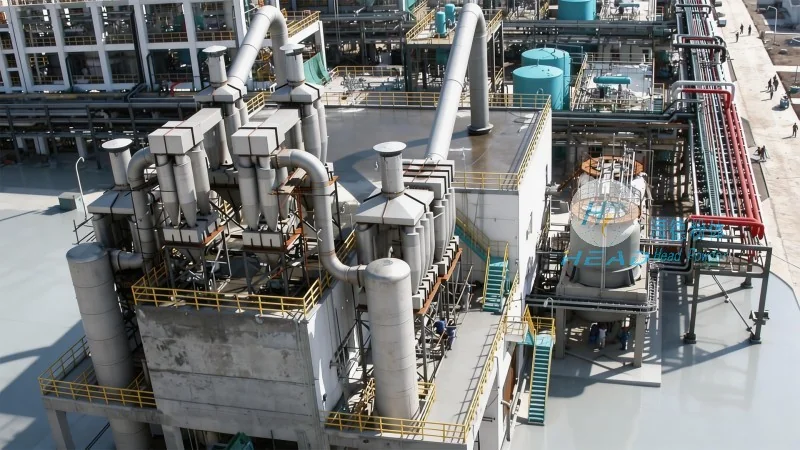
Principle of Operation
The operation of a ceramic pneumatic conveying system is based on the principle of fluidization and suspension of the material particles in the air stream. When the air compressor provides sufficient pressure, it creates a flow of air through the pipeline. The material from the hopper is introduced into the pipeline, and the air flow lifts and transports the particles. The system can operate in either positive pressure (pressure conveying) or negative pressure (vacuum conveying) modes, depending on the specific application and material characteristics. Positive pressure systems are generally used for long-distance or high-capacity transport, while negative pressure systems are suitable for short-distance or dust-sensitive applications.
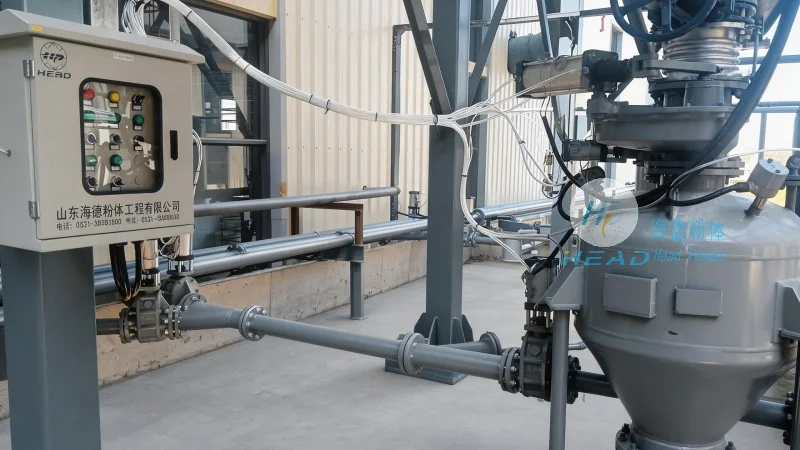
Advantages of Ceramic Pneumatic Conveying Systems
Implementing a ceramic pneumatic conveying system offers several significant advantages over traditional material handling methods. Firstly, it provides a dust-free and clean environment, which is crucial for maintaining the quality of ceramic products and protecting the health of workers. Secondly, the system enables efficient and continuous material transport, reducing downtime and improving production throughput. Thirdly, it minimizes product degradation and contamination, ensuring consistent quality in the final ceramic products. Additionally, the system is flexible and can be easily integrated with existing production lines, making it a cost-effective solution for many ceramic manufacturers.
Applications in the Ceramic Industry
Ceramic pneumatic conveying systems are widely applied in various stages of ceramic production. In the raw material preparation stage, these systems are used to transport clay, feldspar, and other raw materials from storage silos to the mixing and processing equipment. During the production of ceramic tiles and sanitary ware, the system efficiently conveys glazes, pigments, and other additives to the molding and firing processes. In the post-production stage, it helps transport finished products from the production line to storage areas or packaging facilities. The versatility of the system makes it suitable for handling a wide range of ceramic materials, from fine powders to larger granules.