

Introduction to Sodium Nitrate Pneumatic Conveying System: Structure and Working Principle
HeadPowder, a leading engineering firm based in Shandong, China, specializes in the design and implementation of advanced material handling solutions. This article provides an overview of the sodium nitrate pneumatic conveying system, detailing its structural components and operational principles to assist professionals in the chemical and industrial sectors.
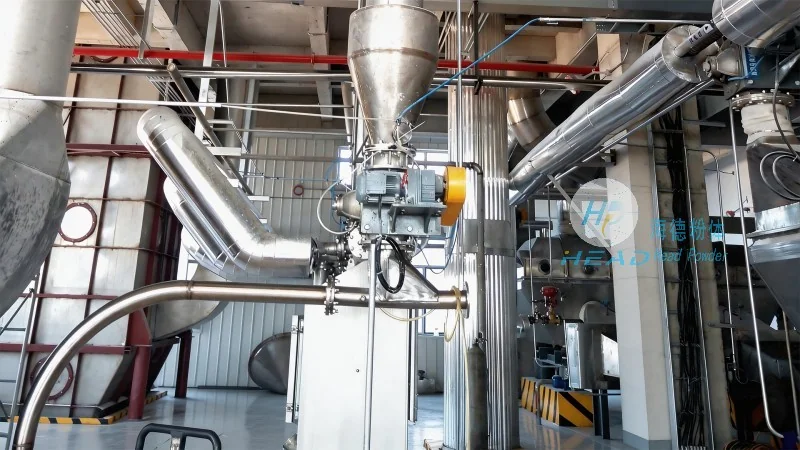
Overview of the Sodium Nitrate Pneumatic Conveying System
The sodium nitrate pneumatic conveying system is a sophisticated technology used for the efficient transport of sodium nitrate, a critical chemical compound widely utilized in agriculture, food preservation, and industrial applications. This system leverages the principles of pneumatic conveying to move the material from a source to a destination without the need for mechanical components like belts or buckets, thereby reducing maintenance and operational costs. The system is engineered to handle the specific characteristics of sodium nitrate, such as its granular form and potential for dust generation, ensuring safe and reliable operation.
Key Structural Components of the System
The sodium nitrate pneumatic conveying system comprises several essential components that work in tandem to facilitate material transport. The primary components include the material hopper, the air compressor, the conveying line, the control valve, and the discharge hopper. Each component plays a crucial role in the overall functionality of the system.
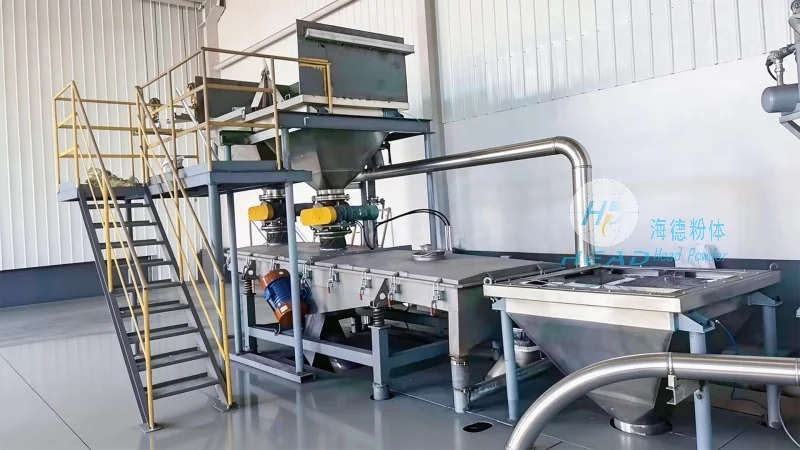
1. **Material Hopper**: This is the initial storage unit where sodium nitrate is loaded. It is designed with a hopper shape to facilitate the flow of granular material into the conveying line. The hopper is equipped with a feeder, typically a rotary valve or a screw feeder, which regulates the material flow rate into the system. The design ensures minimal material bridging and ensures a consistent feed to the conveying line.
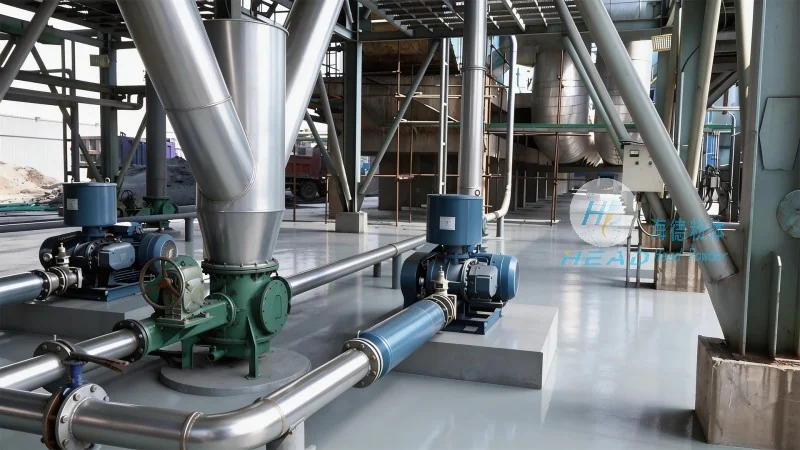
2. **Air Compressor**: The air compressor is the heart of the pneumatic conveying system. It generates the necessary pressure and airflow to move the sodium nitrate particles through the conveying line. The compressor is selected based on the required flow rate and pressure, which are determined by the system's capacity and the distance between the source and destination. High-efficiency compressors are used to minimize energy consumption while maintaining optimal performance.
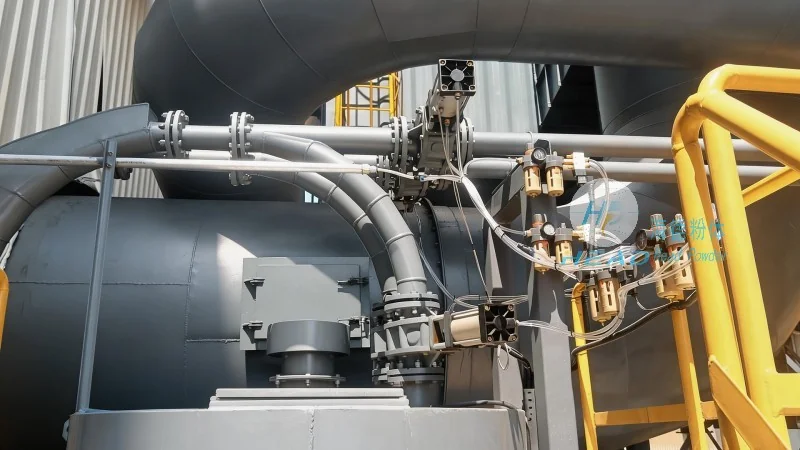
3. **Conveying Line**: The conveying line is a flexible or rigid pipe that transports the sodium nitrate particles. The material is carried by the air stream, which can be either positive pressure (where air is forced into the line) or negative pressure (where air is drawn out of the line). The choice of line material depends on the chemical compatibility with sodium nitrate and the operating conditions. Typically, stainless steel or special alloys are used to prevent corrosion and ensure durability.
4. **Control Valve**: The control valve regulates the airflow and material flow within the system. It allows for precise control of the conveying rate, pressure, and air volume. The valve can be automated or manually operated, depending on the system's requirements. It ensures that the system operates within safe and efficient parameters, preventing overpressure or underflow conditions.
5. **Discharge Hopper**: The discharge hopper is the final component where the sodium nitrate is collected after being conveyed. It is designed to handle the material's characteristics, such as its granular nature and potential for dust. The hopper is equipped with a discharge valve, which controls the release of the material to the next processing stage or storage area. The design minimizes material spillage and ensures a smooth transition to the final destination.
Working Principle of the Pneumatic Conveying System
The operation of the sodium nitrate pneumatic conveying system follows a systematic process that ensures the efficient and safe transport of the material. The process begins with the loading of sodium nitrate into the material hopper. The feeder then regulates the flow of the material into the conveying line, where it is mixed with the air stream generated by the compressor.
When the air compressor is activated, it creates a high-pressure air flow that enters the conveying line. The air stream carries the sodium nitrate particles through the line, moving them towards the discharge hopper. The velocity of the air stream is critical; it must be sufficient to lift and transport the particles without causing excessive wear on the system components or generating excessive dust.
The control valve monitors and adjusts the airflow and material flow to maintain optimal conditions. It ensures that the pressure and flow rate are consistent, preventing blockages or inefficiencies. As the material reaches the discharge hopper, the air stream slows down, and the sodium nitrate particles settle due to gravity, collecting in the hopper. The discharge valve then releases the material as needed, completing the conveying cycle.
Advantages of the Sodium Nitrate Pneumatic Conveying System
The sodium nitrate pneumatic conveying system offers several advantages over traditional mechanical conveying methods. These benefits include reduced maintenance costs, as there are fewer moving parts and mechanical components. The system also minimizes material handling risks, such as dust exposure and product contamination, which is crucial for sodium nitrate, a chemical used in food and agricultural applications.
Another advantage is the flexibility of the system. The conveying line can be easily reconfigured or extended to accommodate changes in production needs or facility layout. The system can handle varying material flow rates and distances, making it adaptable to different industrial applications. Additionally, the system operates with lower energy consumption compared to mechanical systems, contributing to cost savings and environmental benefits.
Applications and Industries
The sodium nitrate pneumatic conveying system is widely used in various industries that require the handling of sodium nitrate. In the agricultural sector, it is used for the transport of sodium nitrate as a fertilizer, ensuring efficient distribution to farms and storage facilities. In the food industry, it is employed for the handling of sodium nitrate used as a preservative in processed foods, maintaining product quality and safety.
Industrial applications also benefit from this system, particularly in chemical manufacturing and processing plants. The system is used to transport sodium nitrate between processing stages, such as from a storage silo to a reaction vessel or from a reactor to a packaging unit. The efficiency and reliability of the system make it an ideal choice for these applications, where consistent material flow is essential for production continuity.