

Introduction to Polypropylene Pneumatic Conveying Systems: Structure and Working Principles
Shandong HeadPowder Engineering Co., Ltd., commonly known as headpowder, is a professional manufacturer and supplier specializing in pneumatic conveying systems. The company is headquartered in Shandong, China, and has been committed to providing high-quality and reliable equipment for various material handling applications. With years of experience in the industry, headpowder has established a strong reputation for its innovative designs and robust performance in handling polypropylene and other materials.
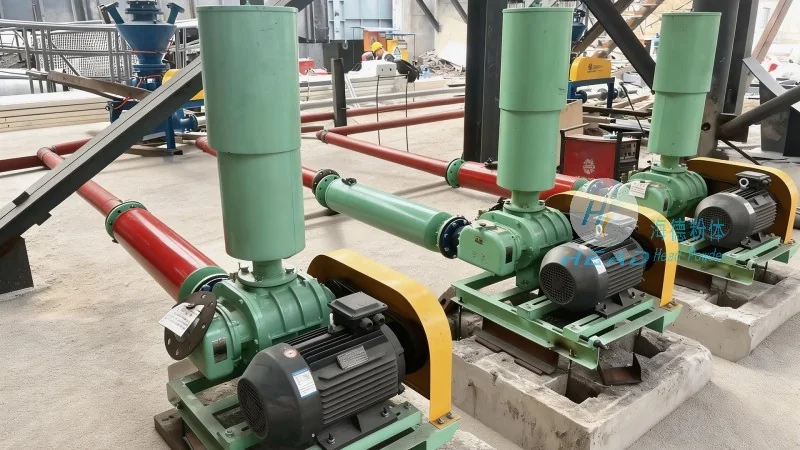
Polypropylene Pneumatic Conveying System Overview
Polypropylene (PP) is a widely used thermoplastic polymer, and its efficient handling requires specialized equipment. The polypropylene pneumatic conveying system is designed to transport PP granules, powders, or flakes from storage to processing units, such as extruders or mixers. This system combines the advantages of pneumatic conveying technology with tailored components to ensure smooth and safe material transfer.
System Structure and Working Principles
The polypropylene pneumatic conveying system typically consists of several key components, including a hopper, a rotary valve, a conveying line, a filter, and a receiver. The hopper is used to store the polypropylene material, and the rotary valve controls the flow of material into the conveying line. The conveying line is usually made of stainless steel or other corrosion-resistant materials to handle the chemical properties of polypropylene. The filter is essential to remove dust and particles from the air stream, ensuring clean and safe operation. The receiver collects the conveyed material and can be connected to the next processing stage.
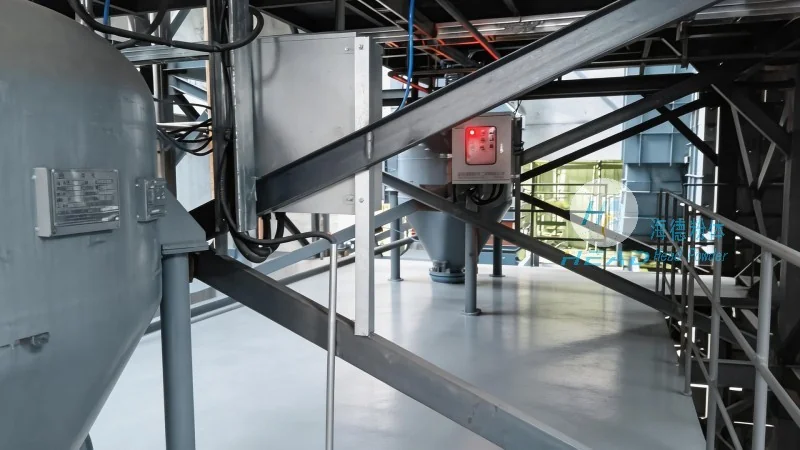
Advantages of the Polypropylene Pneumatic Conveying System
Compared to traditional mechanical conveying methods, the polypropylene pneumatic conveying system offers several advantages. It eliminates the need for moving parts in the conveying path, reducing maintenance requirements and increasing operational reliability. The system also provides a closed environment, preventing dust contamination and ensuring compliance with environmental regulations. Additionally, the pneumatic conveying process allows for precise control of material flow, which is crucial for maintaining product quality in polypropylene processing.
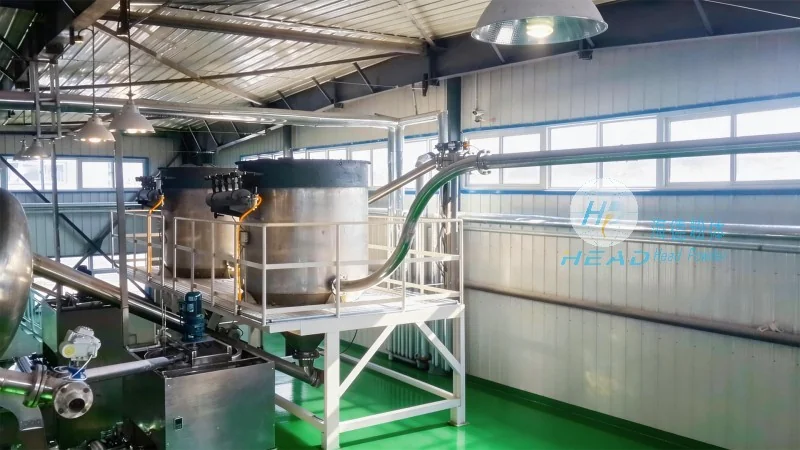
Applications in Polypropylene Processing
The polypropylene pneumatic conveying system is widely used in various industries, including plastics manufacturing, chemical processing, and food processing. In plastics manufacturing, it is commonly employed to transport PP granules from silos to extrusion lines, ensuring a continuous and uninterrupted production process. The system's ability to handle different particle sizes and flow rates makes it suitable for a range of applications, from small-scale laboratory operations to large-scale industrial production.
Conclusion
Shandong HeadPowder Engineering Co., Ltd. specializes in designing and manufacturing high-performance polypropylene pneumatic conveying systems. With a focus on quality, reliability, and customer satisfaction, the company provides tailored solutions to meet the specific needs of its clients. The polypropylene pneumatic conveying system is an essential component in modern polypropylene processing, and headpowder's expertise ensures that customers receive equipment that is efficient, durable, and compliant with industry standards.