

Introduction to the Graphite Lumps Pneumatic Conveying System: Structure and Working Principle Expla
Graphite, a widely used industrial material, often requires efficient and reliable handling methods for its lumps or fragments. The pneumatic conveying system for graphite lumps represents a sophisticated solution that integrates advanced engineering principles to ensure safe, effective, and low-cost material transport. This article provides an overview of the system's structure and working principles, highlighting its key components and operational mechanisms.

HeadPowder, a leading engineering company based in Shandong, China, specializes in the design and manufacturing of pneumatic conveying systems tailored to various industrial applications. With a strong commitment to innovation and quality, HeadPowder has developed comprehensive solutions for material handling, including the graphite lumps pneumatic conveying system. The company's headquarters is located in Shandong, China, where it leverages local expertise and resources to deliver high-performance equipment that meets international standards.
System Overview and Key Components
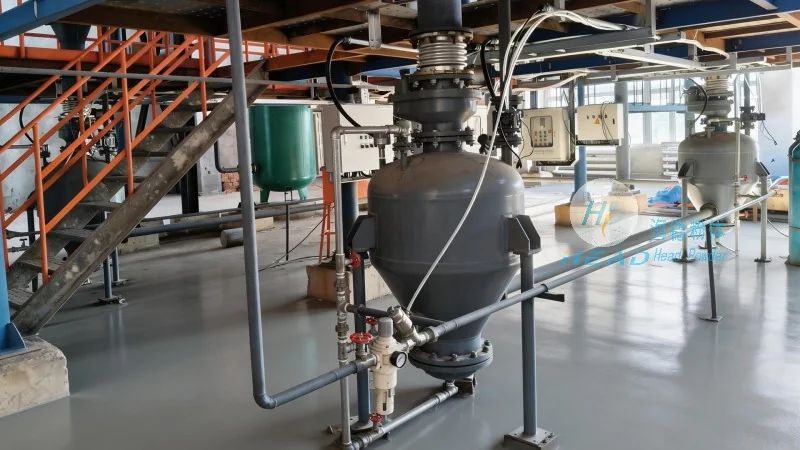
The graphite lumps pneumatic conveying system is engineered to transport graphite particles through a pressurized or vacuum environment using air or other gases. The system typically consists of several core components that work in concert to ensure smooth material flow. These components include the material hopper, feeder, conveying pipeline, control valve, and dust collector. Each component plays a critical role in the overall operation, contributing to the system's efficiency and reliability.
The material hopper is the initial storage unit where graphite lumps are loaded. It is designed with a sloped bottom to facilitate uniform material discharge and prevent blockages. The feeder, often a rotary valve or screw feeder, regulates the flow rate of graphite from the hopper into the conveying pipeline. This controlled feeding is essential to maintain consistent air velocity and prevent system overload or pressure fluctuations. The conveying pipeline, usually made of stainless steel or other corrosion-resistant materials, is responsible for transporting the graphite-laden air mixture. The pipeline's diameter and length are carefully selected based on the material's characteristics and the required transport distance. Control valves, such as butterfly or ball valves, are installed to regulate air pressure and flow, allowing operators to adjust the system's performance according to specific needs. Finally, the dust collector is integrated to capture and filter any airborne particles, ensuring compliance with environmental regulations and maintaining a clean working environment.
Working Principle of the Pneumatic Conveying System
The operation of the graphite lumps pneumatic conveying system is based on the principle of fluidization and suspension of solid particles in a gas stream. When the system is activated, the feeder releases graphite lumps into the conveying pipeline, and the control valve adjusts the air pressure to create a consistent flow. The air velocity within the pipeline is maintained above the material's terminal velocity, ensuring that the graphite particles remain suspended in the air and are transported to the destination. This process is known as dense phase or dilute phase conveying, depending on the air-to-material ratio. In dense phase conveying, the material is transported in a slurry-like state, which reduces wear on the pipeline and equipment. Dilute phase conveying, on the other hand, uses higher air velocities to transport the material in a more dispersed state, suitable for longer distances or higher material loads.
During the conveying process, the system monitors parameters such as pressure, flow rate, and temperature to ensure optimal performance. Sensors and control systems are integrated to detect any deviations and adjust the operation accordingly. For example, if the pressure drops, the system may increase the air flow to maintain the material's suspension. Similarly, if the temperature rises due to friction, the system may activate cooling mechanisms to prevent overheating and material degradation. The dust collector at the end of the pipeline captures any fine particles that escape, preventing them from being released into the environment. The collected dust is then processed or disposed of according to local regulations, ensuring environmental compliance.
Advantages and Applications
The graphite lumps pneumatic conveying system offers several advantages over traditional material handling methods, such as belt conveyors or manual handling. One of the primary benefits is its ability to transport materials in a closed system, which minimizes dust exposure and improves workplace safety. This is particularly important for graphite, which can be hazardous if inhaled in large quantities. Additionally, the system reduces material handling costs by eliminating the need for manual loading and unloading, and it minimizes product contamination by preventing contact with external surfaces.
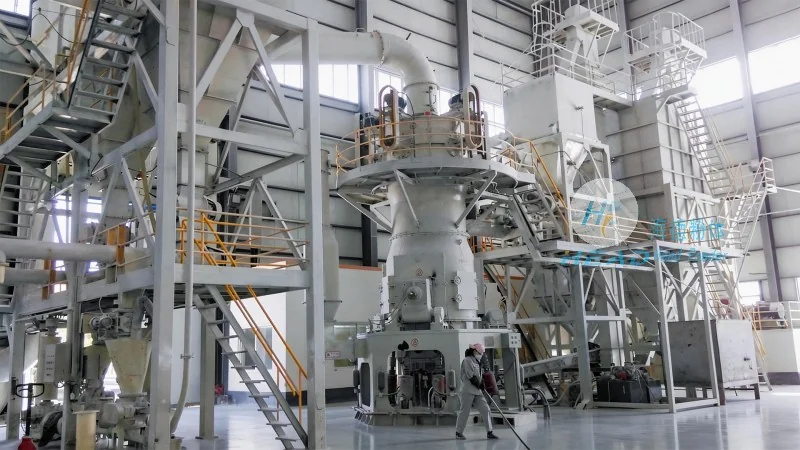
HeadPowder's graphite lumps pneumatic conveying system is widely used in various industries, including graphite manufacturing, battery production, and chemical processing. In the graphite industry, the system is used to transport raw graphite lumps from storage to processing facilities, ensuring a continuous and efficient supply chain. In battery manufacturing, the system is used to transport graphite powder for electrode production, where precision and consistency are critical. In chemical processing, the system is used to handle graphite-based materials in reactors and other equipment, where temperature and pressure control are essential. The system's versatility and adaptability make it suitable for a wide range of applications, from small-scale laboratory use to large-scale industrial production.
Maintenance and Operational Considerations
To ensure the long-term performance and reliability of the graphite lumps pneumatic conveying system, regular maintenance and proper operational practices are essential. HeadPowder recommends a routine maintenance schedule that includes inspections of all components, cleaning of the hopper and pipeline, and replacement of worn parts. The material hopper should be cleaned regularly to prevent buildup of graphite residue, which can affect the feeder's performance. The conveying pipeline should be inspected for signs of corrosion or wear, and any damaged sections should be replaced immediately. The control valves and sensors should be checked for proper functionality, and the air filter should be replaced as needed to maintain air quality.
Operational considerations also play a critical role in the system's performance. Operators should follow the manufacturer's guidelines for start-up and shutdown procedures to prevent damage to the equipment. The system should be started with the feeder off to avoid overloading the pipeline, and it should be shut down in the reverse order to allow the material to settle. Additionally, the system should be monitored continuously for any signs of abnormal operation, such as excessive pressure or temperature, and corrective actions should be taken immediately. Proper training of operators is also essential to ensure safe and efficient operation of the system.