

How to Design a Reasonable Monocrystalline Silicon Pneumatic Conveying System Plan?
Designing a pneumatic conveying system for monocrystalline silicon requires a deep understanding of both the material's properties and the principles of fluid dynamics. Monocrystalline silicon, a high-purity semiconductor material, is widely used in solar panels and electronic devices, making its efficient and safe transport critical to production processes. This article explores the key considerations and components involved in creating a reliable monocrystalline silicon pneumatic conveying system, with a focus on practical implementation and performance optimization.
Understanding the Material's Unique Characteristics
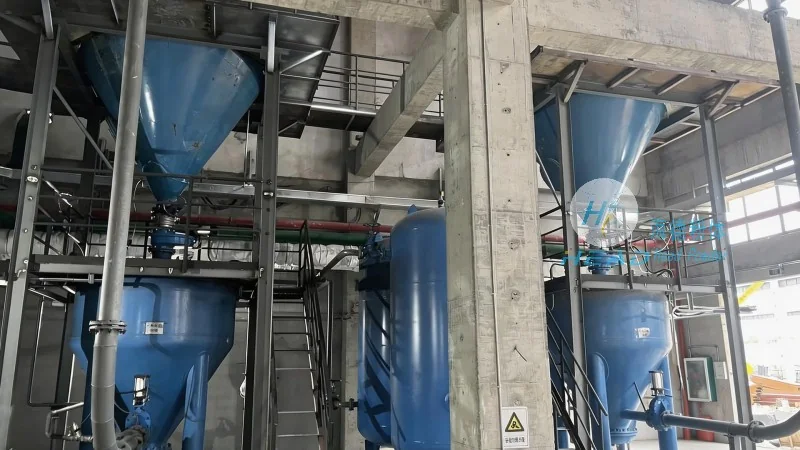
Monocrystalline silicon is known for its hardness, brittleness, and fine particle size, which can pose challenges during handling. The material is often produced as small chips or powders, requiring a system that can handle both bulk and fine particles without causing damage or contamination. Abrasive properties of the material necessitate the use of corrosion-resistant and wear-resistant materials in the system components. At Shandong HeadPowder Engineering Co., Ltd., our engineers specialize in designing systems that mitigate these challenges, ensuring the integrity of the material throughout the conveying process.
Core Design Principles for Efficient Conveying
The fundamental principles of pneumatic conveying include maintaining consistent air velocity, selecting appropriate duct diameters, and ensuring proper air-to-material ratios. For monocrystalline silicon, the air velocity must be optimized to prevent material degradation while minimizing energy consumption. Ductwork materials such as stainless steel or PTFE-coated pipes are commonly used to prevent material buildup and corrosion. Additionally, the system must incorporate effective filtration and separation equipment to capture fine particles and prevent system blockages. Our team at HeadPowder applies these principles to develop systems that balance efficiency with durability.
Component Selection and System Architecture
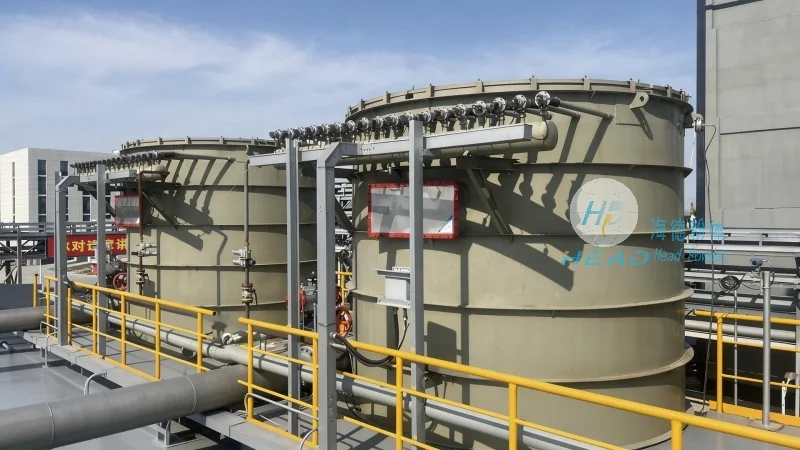
Each component in the pneumatic conveying system contributes to the overall performance. Air compressors are typically chosen based on the required pressure and flow rate, with options ranging from rotary lobe to screw compressors. Feeders, such as rotary valves or vibratory feeders, are critical for controlling the material flow rate and preventing surges. Cyclones and bag filters are essential for separating the material from the air stream, ensuring that the conveying system operates efficiently and safely. At Shandong HeadPowder Engineering Co., Ltd., we select components that are compatible with monocrystalline silicon, considering factors like material compatibility, maintenance requirements, and operational costs.
Process Flow Optimization and Control Strategies
Optimizing the conveying process involves monitoring and adjusting key parameters such as air pressure, flow rate, and material feed rate. Variable frequency drives (VFDs) allow for dynamic control of the air compressor, enabling energy savings and improved system responsiveness. Sensors and control panels provide real-time data on system performance, allowing operators to make adjustments as needed. Advanced control systems can also integrate with existing production lines, enhancing overall operational efficiency. Our solutions at HeadPowder include comprehensive control strategies that ensure smooth, continuous operation and minimize downtime.
Ensuring Safety and Compliance
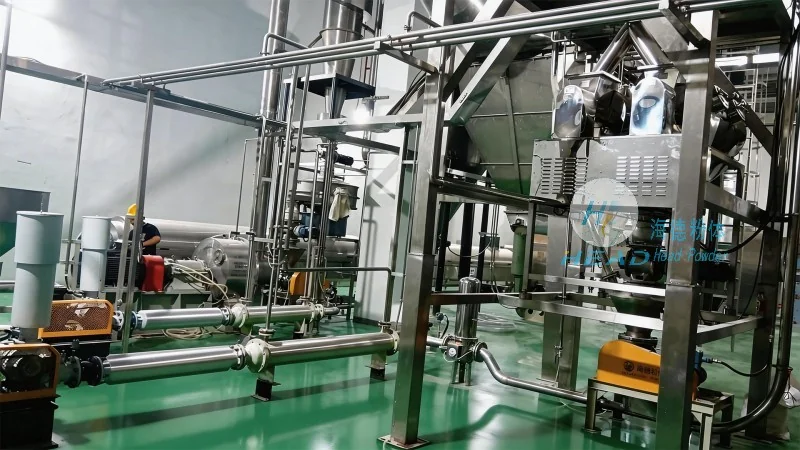
Handling monocrystalline silicon requires strict adherence to safety and environmental regulations. Pneumatic conveying systems must incorporate safety features such as pressure relief valves, explosion-proof components, and emergency shut-off mechanisms. Additionally, dust suppression systems and high-efficiency filters are necessary to maintain air quality and prevent environmental contamination. Our systems at Shandong HeadPowder Engineering Co., Ltd. are designed to meet or exceed industry standards, providing a safe and compliant operation for our clients.
Customization and Long-Term Support
Every monocrystalline silicon pneumatic conveying system is tailored to the specific needs of the client. At HeadPowder, we work closely with clients to understand their production volumes, material characteristics, and operational constraints. Our engineering team designs custom solutions that address unique challenges, such as space limitations or existing infrastructure. After the system is installed and commissioned, our after-sales support team provides ongoing maintenance and technical assistance, ensuring the system operates at peak performance for years to come. With our expertise and commitment to quality, Shandong HeadPowder Engineering Co., Ltd. is your trusted partner for monocrystalline silicon pneumatic conveying systems.